Soft baby gloves are more than just adorable accessories; they play a crucial role in protecting a baby's delicate skin from scratches and maintaining overall comfort. As parents increasingly prioritize the well-being of their newborns, the demand for high-quality, safe, and ethically produced soft baby gloves continues to rise globally. Understanding the nuances of these gloves – from material composition to safety standards – is paramount for informed consumer choices.
The global market for baby products, including soft baby gloves, is a multi-billion dollar industry, experiencing consistent growth driven by rising birth rates in developing countries and increased disposable income among parents in developed nations. According to UNICEF, approximately 140 million babies are born each year worldwide, creating a substantial and continuous demand. This makes soft baby glove manufacturing a significant economic activity.
Furthermore, the importance of soft baby gloves extends beyond mere protection. They contribute to a baby’s sensory development, allowing them to explore their surroundings without the discomfort of self-inflicted scratches. The material and design of the glove can significantly impact this exploration, making it a critical consideration for parents and caregivers.
Introduction to Soft Baby Gloves
The prevalence of soft baby gloves is directly linked to the natural instinct of infants to explore their surroundings through touch. During the early months, a baby's nails grow quickly and can be surprisingly sharp, leading to unintentional scratches on their own face and body. Soft baby gloves effectively mitigate this issue, providing a protective barrier without restricting hand movement.
Beyond protection, the selection of the right soft baby glove is crucial for infant comfort and development. Gloves made from breathable materials help regulate temperature and prevent overheating, while the right fit ensures unrestricted movement, essential for practicing grasping and hand-eye coordination.
Defining Soft Baby Gloves
Soft baby gloves are protective coverings designed specifically for a baby’s hands, typically worn during the first six months of life. They are crafted from materials that are gentle on a baby’s delicate skin, such as cotton, bamboo, or organic blends, and are designed to prevent self-scratching. Crucially, they differ from mittens, which are generally thicker and designed for warmth.
The primary purpose of a soft baby glove is to shield a baby’s face, cheeks, and body from unintentional scratches caused by their rapidly growing nails. This is particularly important as newborns have limited control over their movements.
In the context of modern infant care, soft baby gloves are viewed as an essential component of a safe and comfortable environment, reflecting a growing awareness of the unique needs of newborns. They represent a simple yet effective solution to a common parental concern.
Key Material Considerations for Soft Baby Gloves
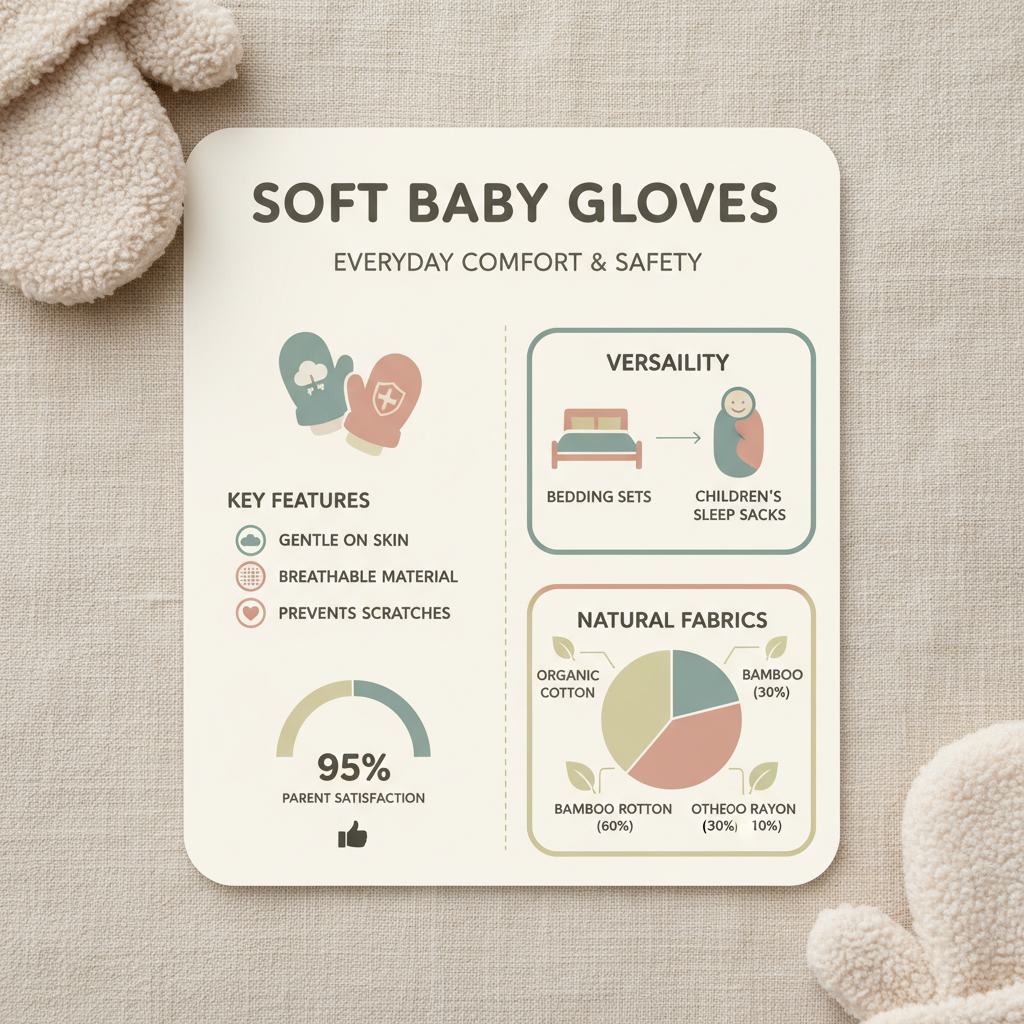
The material composition of soft baby gloves is paramount, directly impacting the baby’s comfort and skin health. Cotton remains a popular choice due to its softness, breathability, and affordability. However, organic cotton is increasingly favored as it’s free from harmful pesticides and chemicals.
Bamboo is another excellent option, known for its exceptional softness, hypoallergenic properties, and moisture-wicking capabilities. It’s also a sustainable material, making it an eco-friendly choice. Blends of cotton and bamboo often offer a balance of these beneficial characteristics. Microfiber, while soft, should be used cautiously as some varieties may not be as breathable.
It's vital to consider the dye used in the production of soft baby gloves. Look for gloves dyed with non-toxic, hypoallergenic dyes to minimize the risk of skin irritation or allergic reactions. Certifications like OEKO-TEX Standard 100 provide assurance of material safety.
Durability and Longevity of Soft Baby Gloves
While soft baby gloves are designed for a relatively short period of use – typically the first six months – their durability is still an important factor. Frequent washing is inevitable, so the material should be able to withstand repeated cycles without losing its shape, softness, or color.
The construction quality also plays a significant role. Look for gloves with reinforced seams and well-attached fasteners (if applicable) to prevent unraveling or breakage. A glove that holds up well through multiple washes and wearings represents better value for parents.
Soft Baby Glove Material Durability Ratings
Global Applications and Usage Scenarios
The use of soft baby gloves is widespread globally, particularly in regions with higher rates of infant care awareness and disposable income. In developed countries like the United States, Canada, and Europe, they are considered a standard part of a newborn’s wardrobe.
In developing countries, the availability and affordability of soft baby gloves are increasing, driven by growing awareness of infant health and safety. NGOs often include them in baby care packages distributed to families in need.
Advantages of Using Quality Soft Baby Gloves
The advantages of using quality soft baby gloves extend beyond preventing scratches. They contribute to a baby’s overall comfort, allowing them to sleep more soundly and explore their environment without discomfort. The use of breathable materials minimizes the risk of skin irritation and overheating.
From a parental perspective, soft baby gloves provide peace of mind, knowing their baby is protected from self-inflicted harm. They also reduce the need for bandaging minor scratches, simplifying infant care.
Investing in high-quality soft baby gloves demonstrates a commitment to infant well-being, offering a safe and gentle solution for a common parental concern.
Future Trends in Soft Baby Glove Development
Future innovations in soft baby glove design will likely focus on enhanced functionality and sustainability. We can anticipate the integration of smart materials that provide real-time temperature monitoring or even gentle massage features.
The use of biodegradable and compostable materials is also expected to increase, aligning with growing consumer demand for eco-friendly products. Further research into hypoallergenic materials and dye technologies will continue to improve the safety and comfort of soft baby gloves.
Personalized designs and customizable features may also emerge, allowing parents to choose gloves that perfectly match their baby’s needs and preferences, reflecting a trend towards greater individualization in baby care.
Summary of Key Considerations for Soft Baby Glove Quality
| Material Composition |
Breathability & Moisture Wicking |
Durability (Wash Resistance) |
Hypoallergenic Properties |
| 100% Organic Cotton |
High |
7/10 |
Excellent |
| Bamboo Viscose |
Very High |
8/10 |
Excellent |
| Cotton-Bamboo Blend (70/30) |
High |
8.5/10 |
Very Good |
| Microfiber Polyester |
Moderate |
6/10 |
Good (depending on treatment) |
| Conventional Cotton |
Moderate |
7.5/10 |
Good |
| Organic Cotton with Plant-Based Dye |
High |
8/10 |
Excellent |
FAQS
Soft baby gloves typically come in one size, designed to fit newborns up to 6 months old. However, if your baby has particularly large hands, you might consider looking for brands that offer slightly larger sizes. It's more important that the glove isn't too tight, restricting circulation, than perfectly conforming to their hand size. Always check for comfortable fit and ease of movement.
Soft baby gloves should be washed frequently, ideally after each use, as they come into direct contact with a baby's skin. Use a mild, hypoallergenic detergent and wash them separately from other clothing to prevent cross-contamination. Tumble dry on low or hang to dry. Regular washing helps prevent the buildup of bacteria and allergens.
While soft baby gloves are generally safe, it’s not recommended to have your baby wear them constantly. Allowing their hands to be uncovered for periods during the day allows them to explore textures and develop their tactile senses. Monitor for any signs of irritation or discomfort and remove the gloves if necessary.
Avoid soft baby gloves made from materials with harsh chemicals, like formaldehyde, or those that haven’t been tested for harmful substances. Synthetic materials like some types of polyester may not be as breathable, potentially causing skin irritation. Always opt for natural, hypoallergenic materials like organic cotton or bamboo when possible.
Signs of an allergic reaction include redness, rash, itching, or swelling on the baby’s hands. If you notice any of these symptoms, discontinue use immediately and consult with your pediatrician. Introducing new materials gradually and monitoring for reactions can help identify potential allergens.
Baby gloves are typically thinner and more flexible, designed primarily to prevent scratching while still allowing some hand movement. Mittens are generally thicker and warmer, often used for colder weather. Soft baby gloves prioritize breathability and tactile exploration, while mittens prioritize warmth.
Conclusion
Soft baby gloves represent a simple yet significant aspect of infant care, offering protection, comfort, and promoting healthy development. Choosing the right materials, prioritizing safety standards, and understanding the varying applications of these gloves are crucial for parents and caregivers.
As technology and material science advance, we can expect to see even more innovative and sustainable soft baby glove designs emerge. Prioritizing these advancements and embracing eco-friendly options will contribute to a healthier and safer future for our little ones. For a wide selection of high-quality soft baby gloves, visit our website: soft baby glove.