The 100% cotton knitted baby cap is a cornerstone of infant care, offering a gentle and safe covering for a baby’s delicate head. Globally, the demand for high-quality, natural baby clothing is consistently high, driven by parental concerns for their child’s comfort and well-being. A 100% cotton knitted baby cap provides essential warmth, protects against minor bumps, and is hypoallergenic, making it ideal for newborns and infants with sensitive skin.
The increasing awareness of the harmful effects of synthetic materials on infant skin fuels the demand for 100% cotton options. The baby clothing market is a multi-billion dollar industry, and the knitted cap segment represents a significant portion of this market. Ensuring the availability of affordable and safe 100% cotton knitted baby caps is therefore crucial for supporting healthy childhood development worldwide.
Furthermore, the ethical and sustainable sourcing of cotton for these caps is gaining prominence, with parents increasingly seeking brands committed to responsible manufacturing practices. This demand drives innovation in cotton production and knitting techniques, ultimately leading to better products for babies and a more sustainable industry.
The Importance of 100% Cotton Knitted Baby Caps
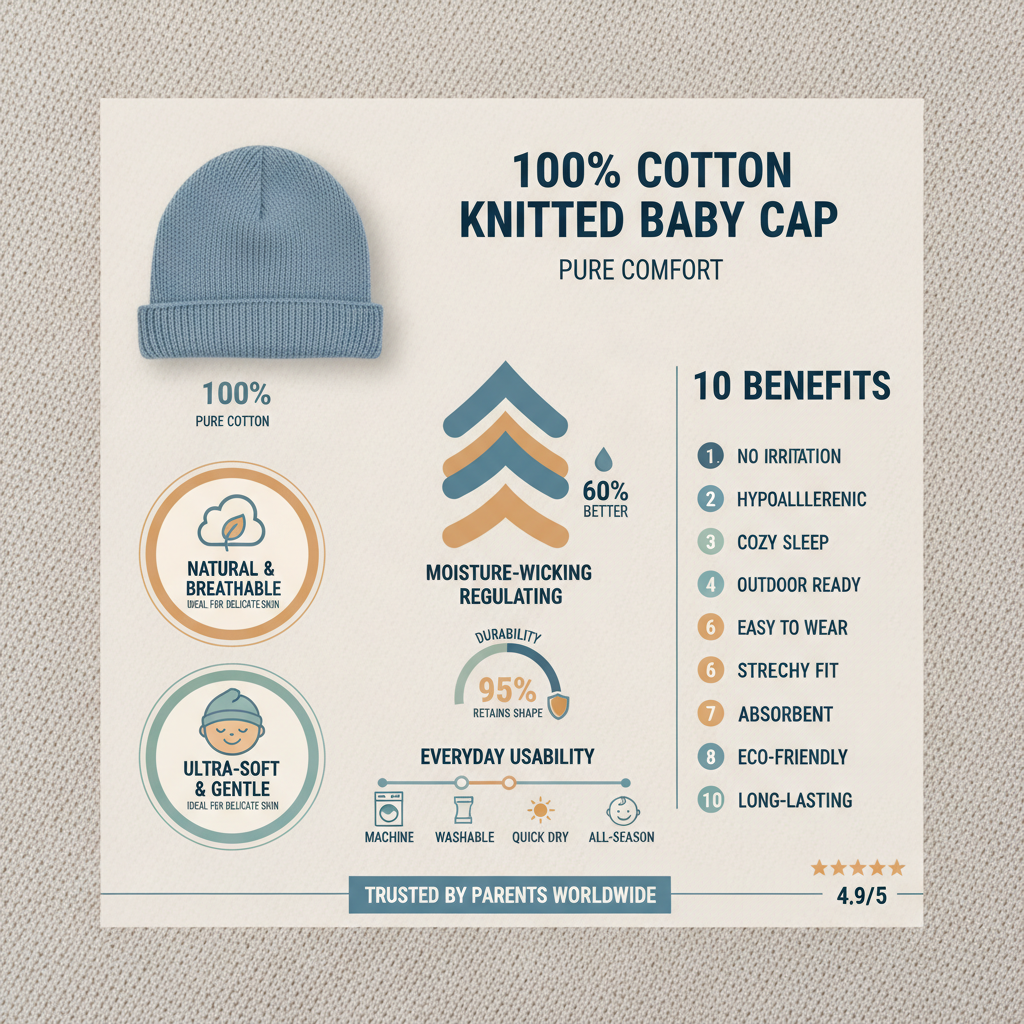
A 100% cotton knitted baby cap isn't just a cute accessory; it’s a fundamental element in ensuring a baby’s comfort and health. Cotton is a naturally breathable fiber, which helps regulate a baby's body temperature, preventing overheating or chills. The knitted construction adds a layer of softness and flexibility, conforming to the baby’s head without causing irritation.
Moreover, because 100% cotton is hypoallergenic, it significantly reduces the risk of allergic reactions or skin sensitivities, a common concern for newborns and infants. Choosing a 100% cotton knitted baby cap demonstrates a commitment to providing the safest and most comfortable environment for a baby’s development.
Global Context and Market Relevance
The global baby clothing market is experiencing consistent growth, particularly in emerging economies. Driven by rising disposable incomes and an increasing emphasis on infant well-being, parents worldwide are investing in premium quality clothing for their babies. The demand for 100% cotton garments, including knitted baby caps, is notably higher in regions with sensitive climates, where breathability and temperature regulation are essential.
According to market research reports, the organic baby clothing segment is the fastest-growing within the overall market, reflecting a greater consumer awareness of sustainability and ethical sourcing. This trend impacts the production of 100% cotton knitted baby caps, driving manufacturers to adopt more environmentally friendly practices.
Statistics from organizations like UNICEF highlight the importance of providing adequate clothing for newborns, particularly in developing countries, to prevent hypothermia and related health complications, underscoring the critical role of accessible and affordable 100% cotton knitted baby caps.
Defining 100% Cotton Knitted Baby Caps
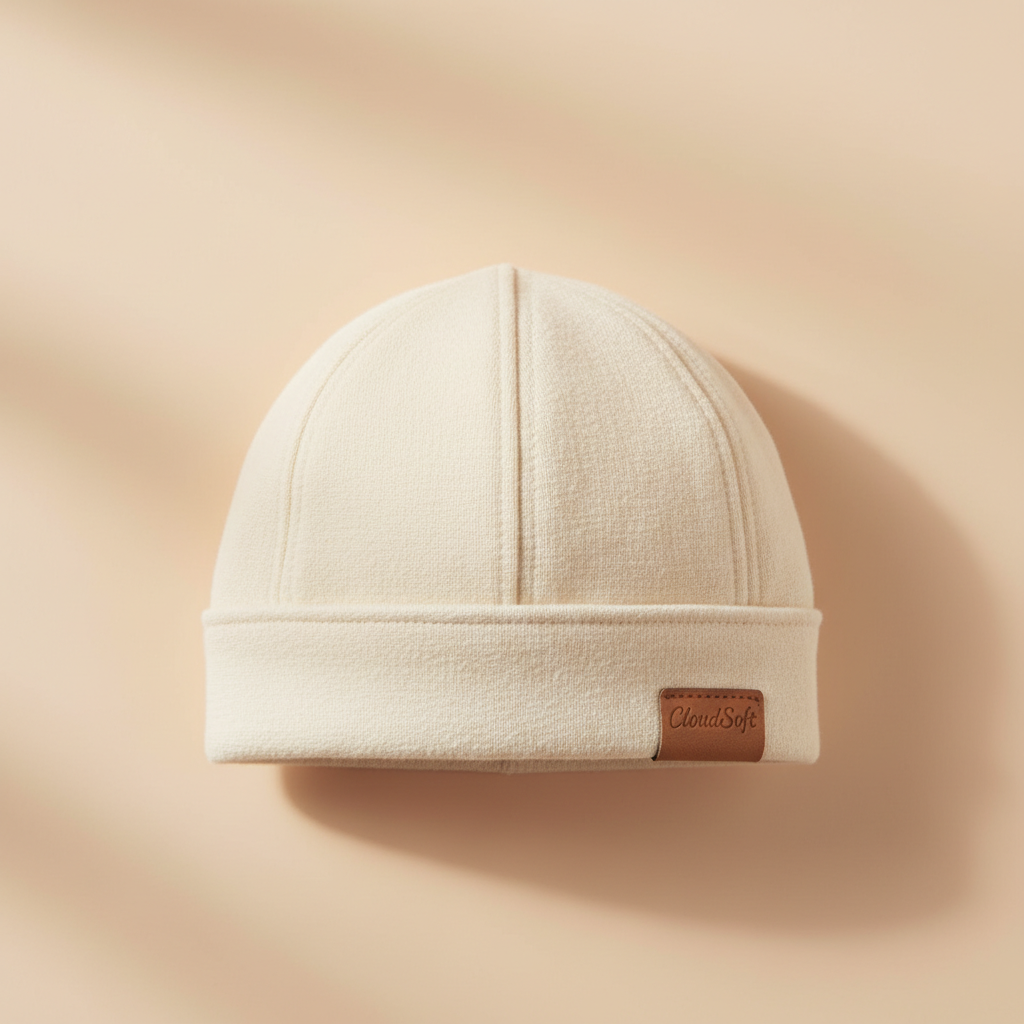
A 100% cotton knitted baby cap is a head covering specifically designed for infants, crafted entirely from cotton fibers using a knitting process. Unlike woven fabrics, knitting creates a looped structure, resulting in a soft, stretchy, and comfortable material ideal for delicate baby skin. The "100%" designation signifies that the cap contains no synthetic blends like polyester or acrylic.
This definition is crucial because the presence of synthetic materials can cause irritation, overheating, and allergic reactions in babies. The knitted construction allows the cap to conform to the baby’s head shape without creating pressure points, further enhancing comfort and ensuring a secure fit.
In the context of modern industry, the production of 100% cotton knitted baby caps necessitates a focus on sustainable cotton farming and ethical manufacturing. The increasing demand for organic and fair-trade cotton demonstrates a growing commitment to responsible production practices, addressing humanitarian needs by ensuring fair labor standards and environmental protection.
Key Characteristics of Quality 100% Cotton Knitted Baby Caps
Several factors determine the quality of a 100% cotton knitted baby cap. First, fiber quality is paramount. Long-staple cotton fibers produce a softer, more durable, and less likely-to-pill fabric. Second, knit density impacts the cap’s warmth and fit – a tighter knit provides greater insulation and a snugger feel.
Third, dyeing and finishing processes play a crucial role. Caps should be dyed with non-toxic, baby-safe dyes, and finished without harsh chemicals that could irritate the skin. Fourth, seamless construction or carefully flat-locked seams minimize friction and discomfort. Finally, proper sizing is critical to ensure a comfortable and secure fit without constricting the baby’s head.
Quality Assessment of 100% Cotton Knitted Baby Cap Attributes
Applications in Infant Care and Retail
100% cotton knitted baby caps have diverse applications, ranging from everyday wear to specialized healthcare settings. In hospitals, they are frequently used for newborns to maintain body temperature and prevent heat loss, particularly for premature babies. Retail settings, both online and brick-and-mortar, offer a wide variety of styles and colors to meet consumer preferences.
They are also popular accessories for photoshoots and special occasions, adding a touch of charm and comfort to a baby’s attire. In post-disaster relief operations, providing 100% cotton knitted baby caps is a simple yet effective way to help protect vulnerable infants from the elements and prevent illness.
Advantages and Long-Term Value
The advantages of choosing a 100% cotton knitted baby cap extend beyond immediate comfort. Cotton is a renewable resource, making it a more sustainable choice compared to synthetic fibers. The durability of well-made cotton caps allows them to be washed and reused multiple times, reducing waste and offering long-term value.
Furthermore, the hypoallergenic properties protect a baby’s sensitive skin, minimizing the risk of irritation and promoting overall well-being. This peace of mind for parents, combined with the cap’s practicality and aesthetic appeal, contributes to its lasting value. The investment in a quality 100% cotton knitted baby cap is an investment in the baby’s health, comfort, and a more sustainable future.
Future Trends in 100% Cotton Knitted Baby Cap Production
The future of 100% cotton knitted baby cap production is likely to be shaped by several key trends. An increasing focus on organic and regenerative cotton farming practices will minimize environmental impact and promote soil health. Digital knitting technologies will enable greater customization and on-demand production, reducing waste and offering personalized designs.
The integration of smart textiles, incorporating features like temperature sensors or UV protection, is another emerging possibility. Furthermore, advancements in dye technologies will lead to more eco-friendly and colorfast dyeing processes. Sustainable packaging and supply chain transparency will become increasingly important to meet consumer demands for ethical and responsible products.
Finally, the use of recycled cotton fibers, though presenting technical challenges, represents a promising avenue for creating truly circular products and minimizing textile waste.
FAQS
To maintain the quality and softness of your 100% cotton knitted baby cap, it’s best to machine wash it on a gentle cycle with cold water. Use a mild, baby-safe detergent, and avoid bleach or fabric softeners, as these can irritate a baby’s skin. Tumble dry on low heat or, ideally, lay flat to dry to prevent shrinking or losing its shape. Regular, gentle washing will ensure the cap remains clean, soft, and safe for your baby.
Organic cotton knitted baby caps are often more expensive, but they offer significant benefits. Organic cotton is grown without harmful pesticides or synthetic fertilizers, making it safer for your baby's skin and better for the environment. It also supports sustainable farming practices and protects the health of cotton farmers. While the initial cost is higher, the long-term benefits for your baby and the planet make it a worthwhile investment.
Accurately measuring your baby's head circumference is crucial for a comfortable fit. Use a soft measuring tape to measure around the largest part of their head, just above the eyebrows and ears. Consult the size chart provided by the manufacturer to determine the appropriate size. Avoid caps that are too tight, as they can be uncomfortable and restrict circulation, or too loose, as they may slip off easily.
Signs that a 100% cotton knitted baby cap is too small include red marks or indentations on your baby's forehead, discomfort or fussiness while wearing the cap, and difficulty putting the cap on or taking it off. A cap that feels snug but doesn't leave marks is acceptable, but if you notice any signs of constriction or irritation, it's time to size up to ensure your baby’s comfort and health.
While you can iron a 100% cotton knitted baby cap, it’s generally not recommended. The heat from the iron can damage the delicate cotton fibers and alter the cap’s shape. If you must iron it, use the lowest heat setting and place a clean cloth between the iron and the cap. Steaming is a gentler alternative for removing wrinkles.
Look for certifications like GOTS (Global Organic Textile Standard) or Fair Trade, which guarantee that the cotton is organically grown and that workers are treated fairly throughout the supply chain. Research the brand and their commitment to ethical and sustainable practices. Transparency regarding their sourcing and manufacturing processes is a good sign, and choosing brands with a strong ethical focus supports responsible production.
Conclusion
In conclusion, the 100% cotton knitted baby cap is far more than just a simple garment; it's a symbol of care, comfort, and responsible consumerism. From its inherent softness and breathability to its sustainability and ethical production potential, it offers significant benefits for both babies and the planet. Understanding the importance of quality, sourcing, and proper care allows parents to make informed choices that prioritize their child’s well-being.
Looking ahead, continued innovation in cotton farming, knitting technologies, and sustainable manufacturing practices will further enhance the value of the 100% cotton knitted baby cap. By supporting brands committed to these principles, we can contribute to a healthier future for generations to come. Visit our website to explore our collection of premium 100% cotton knitted baby caps: 100% cotton knitted baby cap.