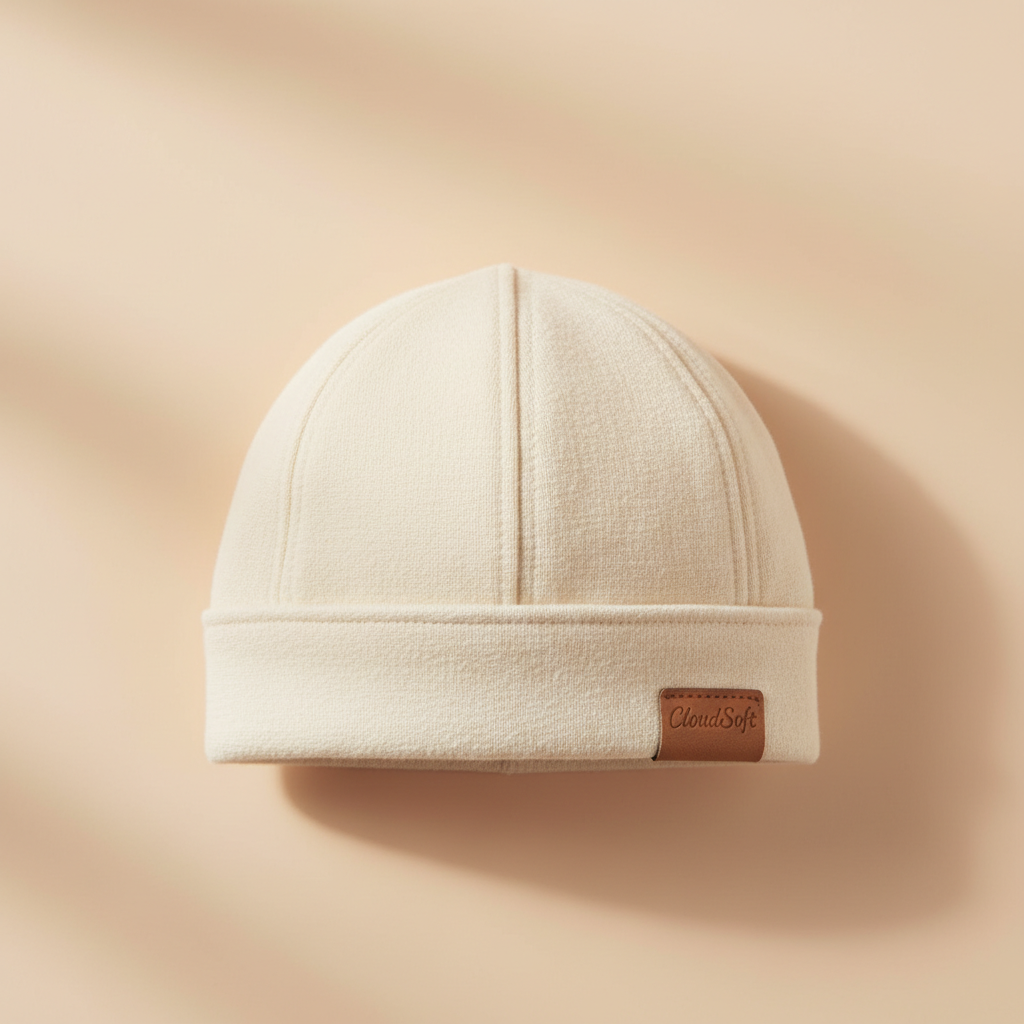
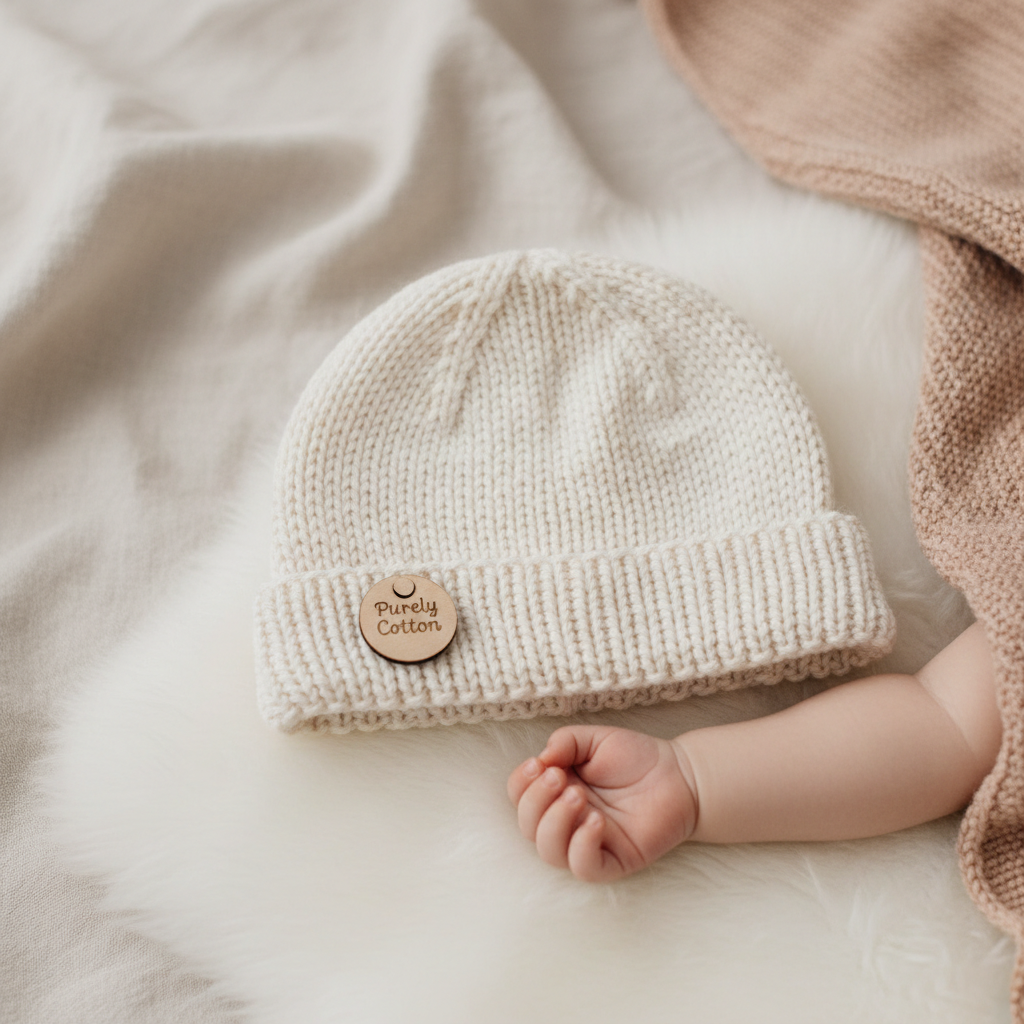
The gentle touch of 100% cotton against a baby’s delicate skin is a universal symbol of care and comfort. Beyond its softness, a 100% cotton baby cap represents a commitment to safety, breathability, and natural materials for the most vulnerable among us. Understanding the nuances of cotton quality, construction, and design in these tiny garments is crucial for parents and caregivers worldwide.
Globally, the demand for high-quality baby products, including 100% cotton baby caps, is consistently rising, driven by increasing parental awareness of health and safety concerns. The United Nations Sustainable Development Goals, particularly those focusing on child health and well-being, indirectly support the demand for safe and natural baby textiles. With a global infant population exceeding 140 million annually, the scale of this market is significant.
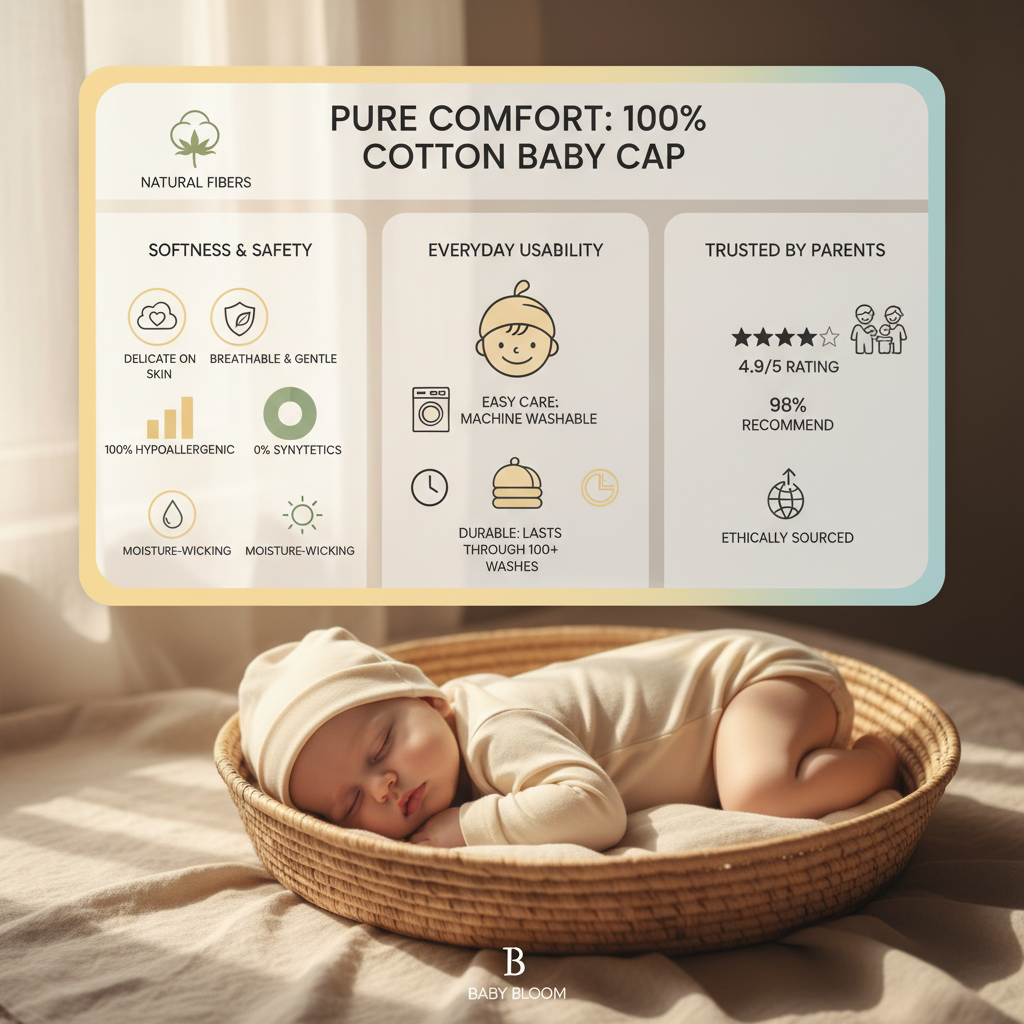
A 100% cotton baby cap is precisely what its name suggests: a head covering crafted entirely from cotton fibers. Unlike synthetic materials, 100% cotton is naturally breathable, hypoallergenic, and gentle on sensitive skin. This makes it ideal for newborns and infants prone to allergies or irritation. Its relevance extends beyond basic comfort; it plays a role in regulating body temperature and protecting a baby's head from the elements.
The Importance of Natural Fibers in 100% cotton baby cap
The foundation of a truly beneficial 100% cotton baby cap lies in the inherent properties of cotton itself. It's naturally hypoallergenic, reducing the risk of skin irritation and allergic reactions, crucial for a baby’s delicate skin. This makes it a superior choice compared to synthetic alternatives like polyester or acrylic.
Beyond its gentleness, cotton boasts excellent breathability, preventing overheating and ensuring a comfortable experience for the infant. Choosing organically grown cotton further minimizes exposure to harmful pesticides and chemicals, enhancing the health benefits of the 100% cotton baby cap.
Defining 100% Cotton Baby Cap Quality
Determining the quality of a 100% cotton baby cap involves more than just checking the label. Factors like cotton fiber length, weave density, and dye composition significantly impact the cap’s softness, durability, and safety. Longer staple cotton fibers (like Pima or Egyptian cotton) create a smoother, more luxurious feel.
Weave density affects breathability and how well the cap maintains its shape after washing. A tighter weave generally indicates higher quality. Crucially, the dyes used should be non-toxic and free from harmful chemicals like formaldehyde, ensuring the baby's safety. Look for certifications like OEKO-TEX Standard 100.
The overall construction – seam strength, finishing, and design details – also contribute to the cap's quality and longevity. A well-made 100% cotton baby cap should withstand repeated washing and wear without losing its shape or color.
Key Factors Influencing 100% cotton baby cap Design
Designing an effective 100% cotton baby cap requires careful consideration of several key factors. Comfort is paramount, necessitating a soft, breathable fabric and a design that avoids irritating seams or tight fits. The cap must stay securely on the baby’s head without causing discomfort or restricting movement.
Practicality is also essential. Easy washability and quick-drying properties are highly desirable for parents. The design should also consider the climate and intended use—a lightweight cap for warm weather versus a thicker, warmer cap for colder seasons.
Aesthetic appeal plays a role, with parents often seeking stylish and visually pleasing designs. However, safety remains the top priority; any embellishments like buttons or ribbons must be securely attached to prevent choking hazards. A thoughtfully designed 100% cotton baby cap balances these factors seamlessly.
Applications of 100% cotton baby cap in Diverse Settings
The applications of a 100% cotton baby cap extend beyond everyday wear. They are essential in neonatal intensive care units (NICUs) to help regulate the body temperature of premature infants. Their gentle material is critical for these vulnerable babies.
Hospitals often provide 100% cotton baby caps to newborns immediately after birth, providing warmth and protection. Furthermore, these caps are widely used in childcare settings, nurseries, and for outings in various weather conditions.
In post-disaster relief operations, clean and comfortable 100% cotton baby caps are often included in essential aid packages, providing a basic necessity for displaced infants and families. These caps contribute to maintaining hygiene and offering a small measure of comfort during challenging circumstances.
100% Cotton Baby Cap Performance Metrics
Advantages of Choosing 100% cotton baby cap
The benefits of opting for a 100% cotton baby cap are multifaceted. Primarily, the hypoallergenic nature minimizes the risk of skin irritation, crucial for babies with sensitive skin. This promotes a sense of comfort and well-being.
Furthermore, the breathability of cotton prevents overheating and maintains a comfortable body temperature. The natural fibers also contribute to better air circulation, reducing the likelihood of moisture buildup and related skin problems. This leads to a happier, more comfortable baby.
Global Trends and Innovations in 100% cotton baby cap
A growing trend is the demand for organic cotton 100% cotton baby caps, driven by increased consumer awareness of sustainable and ethical production practices. Manufacturers are responding by prioritizing eco-friendly farming methods and reducing their environmental footprint.
Innovations in knit technology are leading to softer, more comfortable 100% cotton baby caps with improved stretch and durability. Digital printing techniques allow for more intricate and personalized designs, appealing to a wider range of consumer preferences.
Furthermore, research into natural dyes derived from plant sources is gaining momentum, offering a safer and more sustainable alternative to conventional synthetic dyes. This focus on eco-conscious materials and processes reflects a broader shift towards responsible manufacturing within the baby textile industry.
Challenges and Sustainable Solutions for 100% cotton baby cap
One of the primary challenges in producing 100% cotton baby caps is the environmental impact of conventional cotton farming, which often relies heavily on pesticides and water consumption. Addressing this requires transitioning to more sustainable practices like organic cotton cultivation.
Another challenge is ensuring fair labor practices throughout the supply chain. Consumers are increasingly seeking transparency and ethical sourcing, necessitating robust auditing and certification systems.
Innovative solutions include utilizing recycled cotton fibers, implementing water-efficient irrigation techniques, and supporting fair trade initiatives. Investing in research and development to create more sustainable cotton varieties is also crucial for the long-term viability of the 100% cotton baby cap industry.
Key Characteristics of Sustainable 100% cotton baby cap Production
| Production Stage |
Environmental Impact |
Social Responsibility |
Mitigation Strategies |
| Cotton Farming |
High water usage, pesticide runoff |
Fair wages, safe working conditions |
Organic cotton, water-efficient irrigation |
| Fiber Processing |
Chemical usage, energy consumption |
Worker health and safety |
Closed-loop processing, renewable energy |
| Dyeing and Finishing |
Water pollution, toxic chemicals |
Responsible chemical handling |
Natural dyes, water treatment |
| Manufacturing |
Waste generation, energy use |
Fair labor standards |
Waste reduction, energy efficiency |
| Transportation |
Carbon emissions |
Ethical logistics |
Optimized shipping, carbon offsetting |
| End-of-Life |
Textile waste |
Consumer awareness |
Recycling programs, biodegradable materials |
FAQS
100% cotton baby caps excel due to their breathability, hypoallergenic properties, and gentle texture. Unlike synthetic materials like polyester, cotton doesn’t trap heat, minimizing overheating and skin irritation. This makes it ideal for delicate baby skin, reducing the risk of allergies and rashes. Cotton is also a natural fiber, offering a more sustainable and eco-friendly option.
It’s recommended to wash a 100% cotton baby cap after each use, especially if it's been exposed to drool, spit-up, or any potential contaminants. Use a mild, fragrance-free detergent and wash on a gentle cycle. Avoid using bleach or fabric softeners, as these can irritate a baby's skin. Tumble dry on low heat or hang to dry to maintain the cap’s shape and softness.
Organic cotton is grown without the use of harmful pesticides, herbicides, and synthetic fertilizers. This significantly reduces the risk of chemical exposure for your baby, particularly through skin contact. While organic cotton caps may be slightly more expensive, the benefits for your baby’s health and the environment often outweigh the cost. It's a worthwhile investment for peace of mind.
Newborns generally fit into caps sized 0-3 months, with a circumference of approximately 13-15 inches. However, baby head sizes can vary, so it's always best to measure your baby’s head before purchasing. A cap that’s too tight can be uncomfortable and restrict circulation, while one that’s too loose may fall off easily. Look for caps with a gentle stretch for a better fit.
Always check the care label! A genuine 100% cotton baby cap will clearly state “100% Cotton” on the label. Look for certifications like OEKO-TEX Standard 100, which ensures the fabric has been tested for harmful substances. If you're unsure, perform a simple burn test (carefully!), as cotton burns with a distinct smell similar to burning paper, leaving a soft ash.
Yes, embellishments like buttons, ribbons, or sequins can pose a choking hazard for babies. If a cap has embellishments, ensure they are securely attached and cannot be easily removed. It’s generally safer to choose caps with minimal or no embellishments, particularly for newborns and infants who put things in their mouths. Prioritize safety above all else.
Conclusion
In conclusion, the 100% cotton baby cap isn’t simply a head covering; it's a vital component of infant care, offering comfort, protection, and a connection to natural, healthy materials. From its hypoallergenic properties to its breathability and ease of care, a well-chosen 100% cotton baby cap supports a baby’s well-being and provides peace of mind for parents. Understanding the factors influencing quality, design, and sustainable production is paramount in making informed choices.
Looking ahead, the demand for ethically sourced and environmentally friendly 100% cotton baby caps will continue to grow. Supporting brands committed to organic farming practices, fair labor standards, and sustainable manufacturing is crucial for creating a healthier future for both our children and the planet. By prioritizing quality, safety, and sustainability, we can ensure that every baby has access to the gentle comfort of a 100% cotton cap.