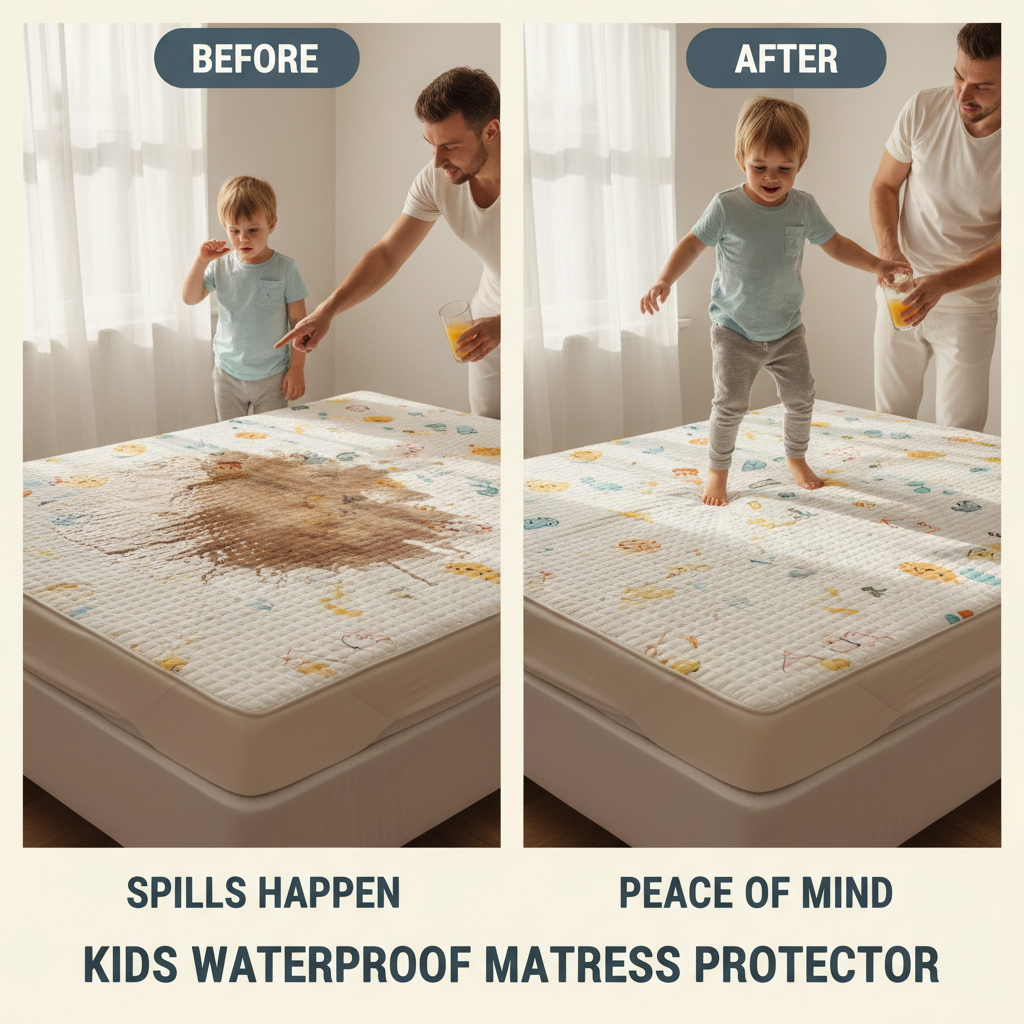
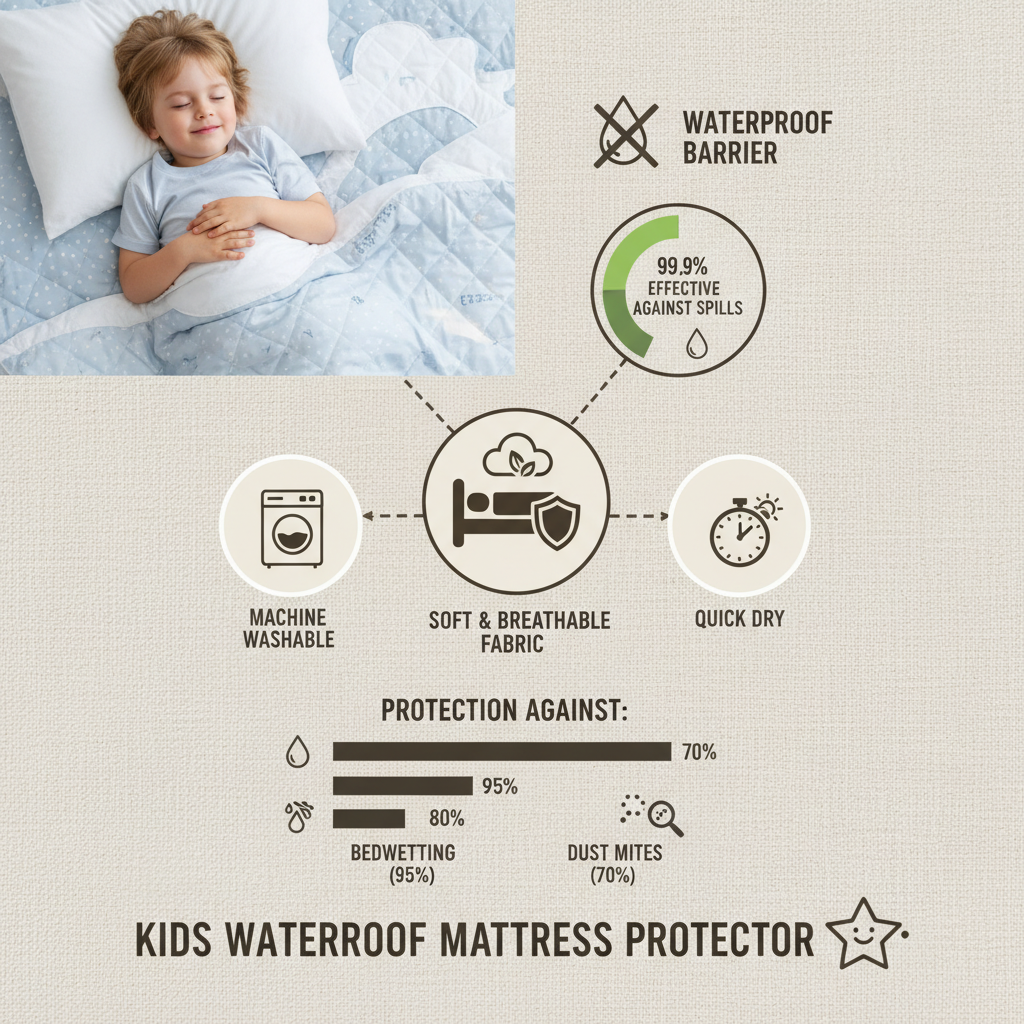
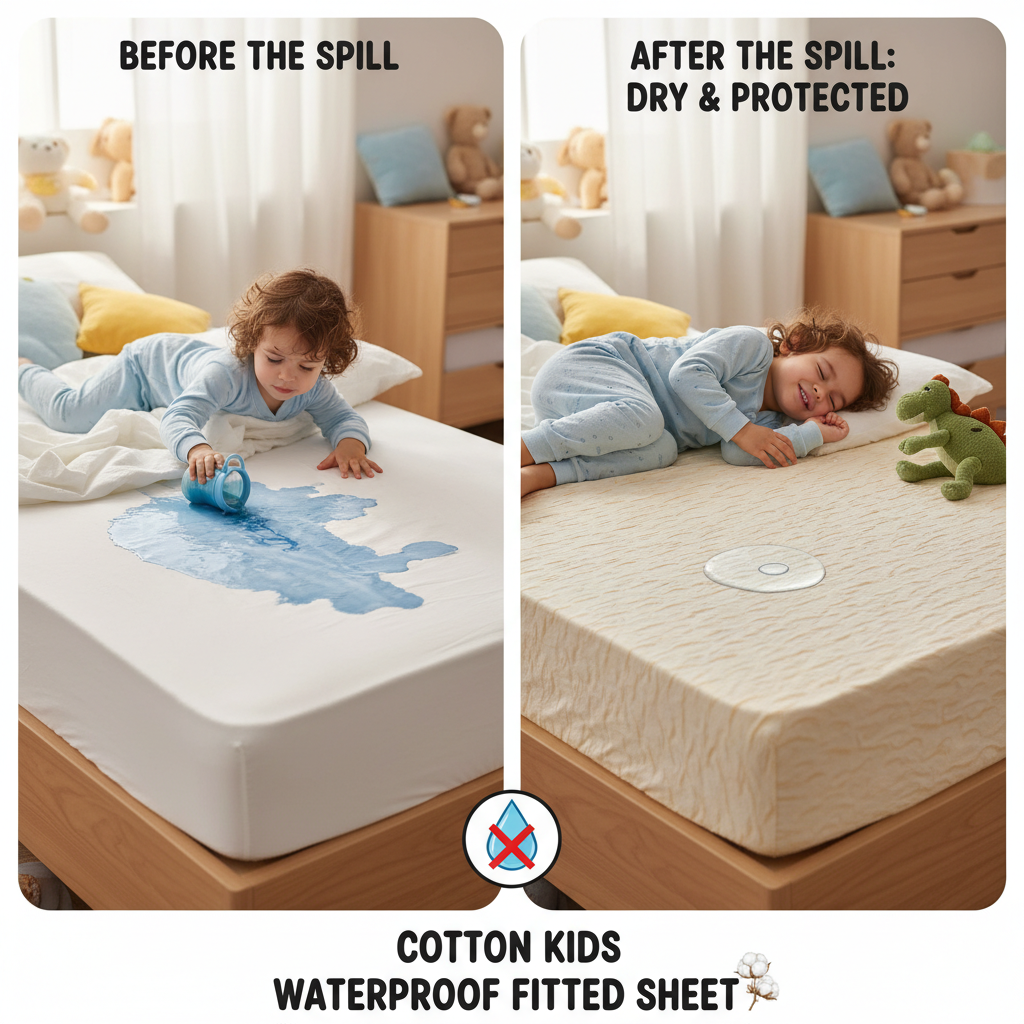
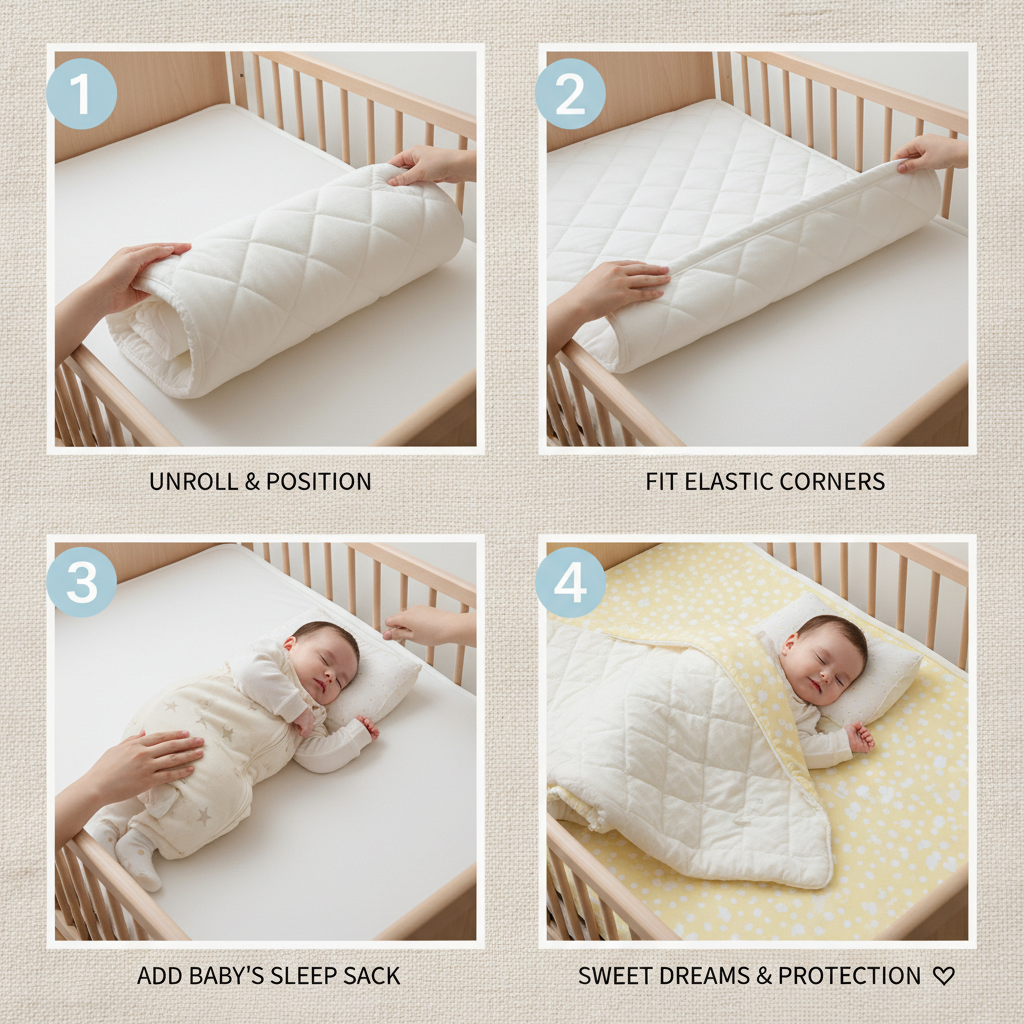
Ensuring a hygienic and dry sleeping environment for children is a cornerstone of modern pediatric care and home management. A high-quality kids waterproof mattress protector serves as an essential barrier, protecting expensive mattresses from spills, accidents, and allergens while maintaining a comfortable surface for the growing child.
Globally, the demand for specialized bedding has surged as parents become more conscious of sleep hygiene and the longevity of home textiles. The integration of breathable, waterproof membranes allows for a balance between absolute liquid protection and thermal regulation, ensuring that children do not overheat during the night.
Understanding the nuances of material science—from TPU laminates to organic cotton blends—helps caregivers make informed decisions. By investing in a professional-grade kids waterproof mattress protector, families can reduce the frequency of mattress replacements and create a healthier, more sustainable bedroom environment.
Global Demand for Kids Waterproof Mattress Protector
The global market for children's home textiles has seen a significant shift toward functional fabrics. According to industry trends aligned with ISO quality standards, there is an increasing emphasis on "preventative hygiene," where a kids waterproof mattress protector is no longer viewed as a luxury but as a necessity for maintaining indoor air quality and mattress longevity.
In many developed economies, the rise in allergy-related respiratory issues has led parents to seek barriers that block not only liquids but also dust mites and dander. This dual-action protection addresses a critical challenge: how to keep a child's bed sterile without sacrificing the softness and breathability required for deep, restorative sleep.
Defining the Modern Kids Waterproof Mattress Protector
At its core, a kids waterproof mattress protector is a specialized fabric layer designed to fit snugly over a mattress, utilizing a moisture-impermeable barrier to prevent liquids from penetrating the core foam or spring system. Unlike traditional plastic sheets, modern versions employ advanced polymer laminations that allow air molecules to pass through while blocking larger water droplets.
This technological evolution connects directly to modern pediatric needs, where skin sensitivity is a priority. The outer layer is typically crafted from hypoallergenic materials like bamboo rayon or organic cotton, ensuring that the child's skin remains irritation-free while the internal waterproof membrane performs its critical defensive role.
From a manufacturing perspective, these products represent the intersection of textile engineering and health safety. By integrating seamless heat-bonding and precision stitching, the industry ensures that the protector remains leak-proof even after multiple high-temperature laundry cycles, meeting the rigorous demands of active households.
Core Components of High-Performance Protection
The effectiveness of a kids waterproof mattress protector relies heavily on its material composition. Durability is the first key factor; the fabric must withstand the constant movement of a restless child without tearing or losing its elasticity, which is usually achieved through high-gsm (grams per square meter) face fabrics.
Breathability is the second critical component. Many low-end protectors cause "sweating" or overheating. Professional-grade solutions use a microporous TPU (Thermoplastic Polyurethane) layer, which provides an absolute liquid seal while allowing vapor to escape, ensuring the child stays cool and comfortable throughout the night.
Finally, the ease of maintenance and fit cannot be overlooked. A deep-pocket fitted design ensures the protector doesn't shift, while an OEKO-TEX certified finish ensures that no harmful chemicals are released during the washing process, maintaining the highest safety standards for infant and child bedding.
Comparative Efficiency of Waterproofing Methods
Not all waterproofing technologies are created equal. Some rely on chemical coatings that wash away over time, while others use laminated membranes that are permanently fused to the fabric. When evaluating a kids waterproof mattress protector, the method of bonding determines both the lifespan of the product and its tactile feel.
To better understand the performance metrics of different manufacturing approaches, we analyze factors such as liquid resistance, breathability, and noise levels (the "crinkle" factor). High-end TPU laminates consistently outperform PVC coatings in both comfort and environmental safety.
Efficiency Ratings of Kids Waterproof Mattress Protector Technologies
Practical Applications in Diverse Environments
The application of a kids waterproof mattress protector extends far beyond the average residential bedroom. In childcare centers and preschools, these protectors are vital for maintaining sanitary standards across shared nap areas, where rapid turnover and frequent spills are common.
Furthermore, in hospital pediatric wards or specialized care facilities, waterproof bedding is essential for infection control. By preventing bodily fluids from soaking into the mattress, these protectors reduce the risk of cross-contamination and allow staff to sanitize the sleeping environment more efficiently, ensuring dignity and safety for recovering children.
Long-Term Value and Sustainability Benefits
Investing in a premium kids waterproof mattress protector offers significant financial and environmental advantages. By extending the life of a mattress—which is often a high-cost investment—families reduce the volume of bulky foam and spring waste that ends up in landfills, contributing to a more circular home economy.
Beyond the logical cost savings, there is a strong emotional value rooted in peace of mind. Parents can encourage their children's independence during potty training without the constant anxiety of ruining furniture. This fosters a stress-free environment for the child, associating the bed with comfort rather than potential "accidents."
From a sustainability lens, the shift toward recycled polyester and organic cotton face fabrics in the manufacturing of these protectors demonstrates the industry's commitment to reducing the carbon footprint of baby and kids bedding items.
Future Innovations in Waterproof Bedding Textiles
The future of the kids waterproof mattress protector lies in "smart textiles." We are seeing the emergence of phase-change materials (PCM) that can actively absorb and release heat, ensuring that a waterproof barrier does not lead to overheating, effectively creating a climate-controlled sleep surface.
Additionally, the integration of antimicrobial silver-ion technology is becoming more prevalent. These innovations allow the protector to not only block liquids but to actively inhibit the growth of bacteria and fungi on the surface, providing an extra layer of health protection for children with compromised immune systems.
As digital transformation hits the textile industry, precision 3D knitting is allowing manufacturers to create protectors with zoned breathability—maximum protection in the center and high airflow on the edges—optimizing the user experience through data-driven design.
Analysis of Future Trends in Kids Waterproof Mattress Protector Materials
| Material Technology |
Key Benefit |
Environmental Impact |
Adoption Rate |
| Recycled TPU |
Waste reduction |
Low Carbon |
High |
| Phase Change Fabric |
Temp regulation |
Medium |
Emerging |
| Organic Bamboo Blend |
Hypoallergenic |
Sustainable |
Very High |
| Silver Ion Coating |
Antibacterial |
Medium |
Moderate |
| Biodegradable Polymers |
Zero landfill |
Very Low Impact |
Experimental |
| 3D Air-Mesh Layer |
Maximum airflow |
Medium |
High |
FAQS
Not if you choose a breathable membrane. Low-quality plastic or PVC protectors can trap heat, but modern protectors using TPU (Thermoplastic Polyurethane) allow air and water vapor to pass through while blocking liquid spills, keeping the sleeping surface cool and dry.
For optimal hygiene, we recommend washing the protector every 1-2 weeks, or immediately after a significant spill. Most high-quality protectors are machine washable on a gentle cycle; however, avoid using bleach or high-heat drying to preserve the integrity of the waterproof membrane.
Yes, provided they are made from hypoallergenic materials. Look for protectors with organic cotton or bamboo tops and OEKO-TEX certification. These ensure that no harmful chemicals or dyes are present, making them safe for the most sensitive skin types.
Absolutely. A high-quality waterproof barrier is typically so dense that it prevents microscopic allergens and pests from entering or leaving the mattress. This makes them an excellent tool for managing allergies and maintaining a pest-free bedroom.
Older PVC-based protectors are notorious for noise. However, modern TPU-laminated fabrics are soft and flexible, designed to be virtually silent. When shopping, look for "silent" or "quiet-touch" descriptions to ensure a peaceful night's sleep.
A protector usually refers to a fitted sheet style that is breathable and intended for daily use under a regular sheet. A cover often refers to a full encasement that zips around the whole mattress. For daily kids' use, a protector is usually more convenient for frequent washing.
Conclusion
In summary, a kids waterproof mattress protector is an indispensable tool for modern parenting, combining advanced textile engineering with essential hygiene needs. By focusing on key factors such as TPU breathability, hypoallergenic materials, and durable construction, these products not only preserve the financial investment of a mattress but also ensure a healthier, safer sleep environment for children across the globe.
As we move toward more sustainable and "smart" home textiles, the role of functional bedding will only grow. We suggest that caregivers prioritize certified organic materials and breathable membranes to balance protection with comfort. To explore a wide range of professional-grade bedding solutions for your family, visit our website: www.sthometextile.com.