Choosing the right bedding for children is more than just a matter of aesthetics; it is about balancing comfort, hygiene, and practicality. A kids waterproof fitted sheet serves as a critical barrier, protecting expensive mattresses from the inevitable spills, bed-wetting accidents, and nursery mishaps that define early childhood. By integrating advanced textile technology with soft, breathable fabrics, these sheets ensure that a child's sleep environment remains dry and sanitary.
From a global industry perspective, the demand for specialized children's textiles has surged as parents prioritize health-conscious and durable home solutions. The shift toward high-performance fabrics means that modern waterproof bedding no longer feels like plastic; instead, it mimics the luxury of traditional cotton while providing industrial-grade liquid resistance. This innovation reduces the frequency of heavy mattress cleaning and extends the lifespan of bedroom furniture.
Understanding the nuances of materials, such as TPU laminates and organic cotton blends, allows caregivers and institutional buyers to make informed decisions. Whether for a home nursery, a daycare center, or a pediatric hospital ward, the implementation of a high-quality kids waterproof fitted sheet promotes a more hygienic living space and provides peace of mind for parents managing the challenges of potty training and early growth.
Global Market Demand for Kids Waterproof Bedding
The global market for children's specialized bedding has seen a significant uptick, driven by an increasing awareness of indoor hygiene and the rise of premium "smart" textiles. According to industry trends in the home textile sector, the demand for kids waterproof fitted sheet options has grown as urban parents seek efficient ways to maintain household cleanliness without sacrificing the comfort of their children's sleep.
This trend is particularly evident in regions with high standards for pediatric care and nursery management, where ISO-certified materials are preferred to ensure non-toxicity and breathability. The challenge has always been finding a product that blocks liquids effectively while remaining hypoallergenic, a gap that modern manufacturing in the home textile industry is now successfully closing.
Technical Definition and Material Science
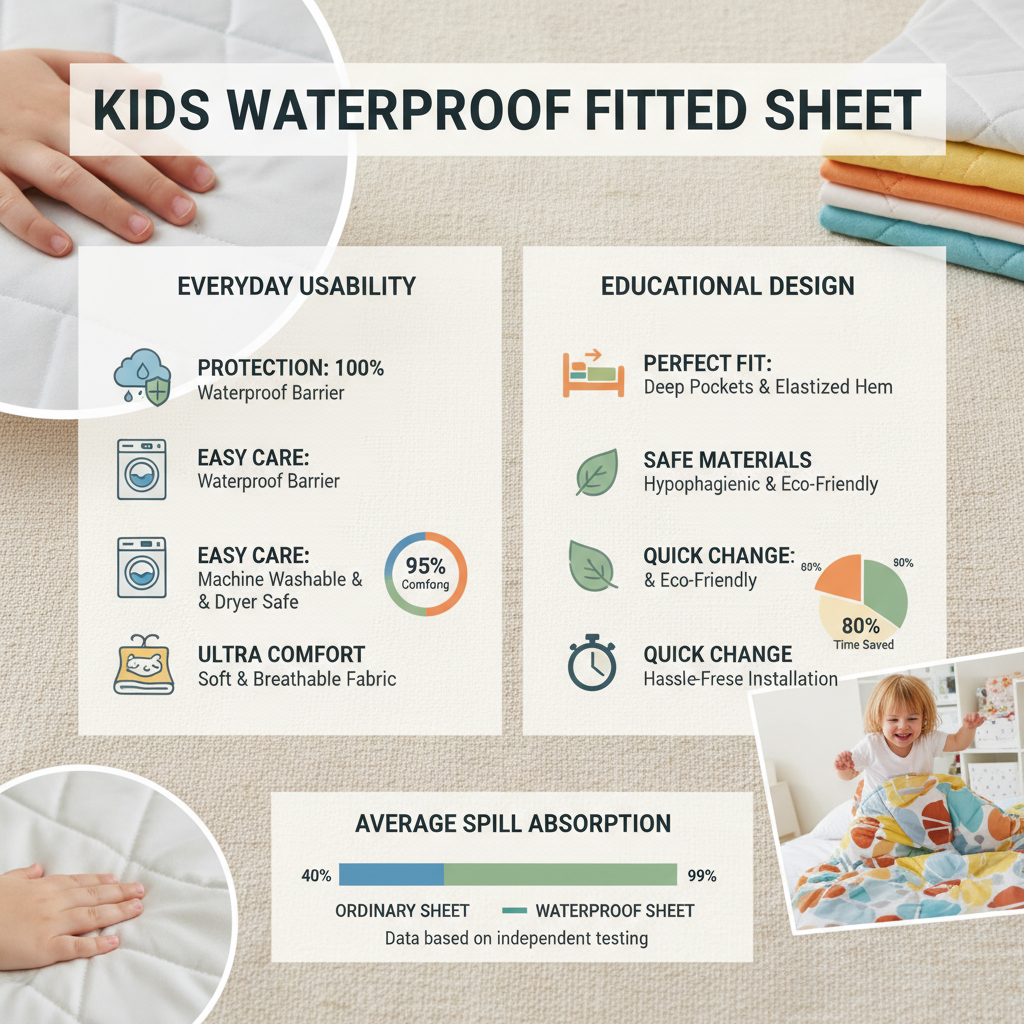
At its core, a kids waterproof fitted sheet is a specialized piece of bedding designed with a moisture-barrier layer, typically bonded to a soft fabric top. Unlike traditional sheets, these products utilize a laminate—often Thermoplastic Polyurethane (TPU)—which allows air to circulate (breathability) while preventing liquid molecules from penetrating the fabric and reaching the mattress.
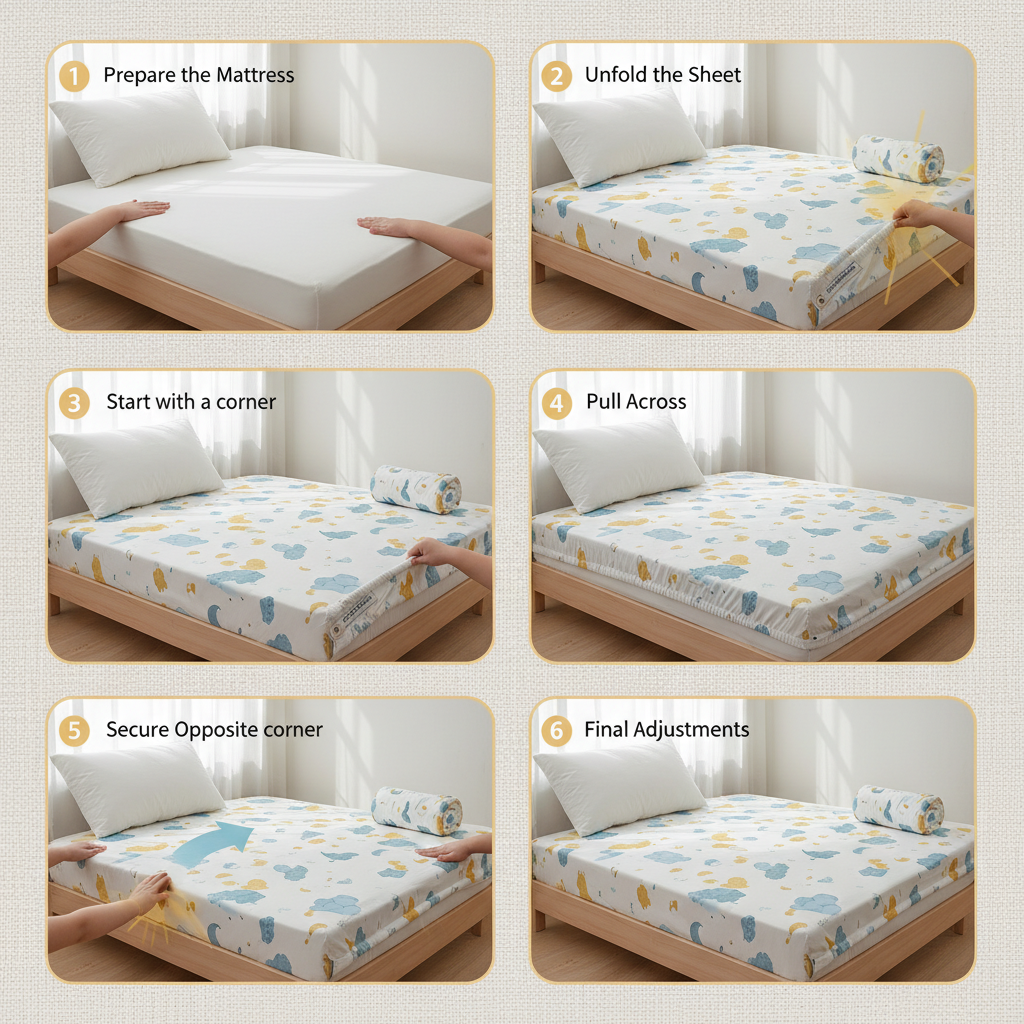
The "fitted" aspect is crucial for children's beds, as it involves elasticized corners that keep the sheet taut, preventing the child from sliding or the sheet from bunching up, which could create discomfort or safety hazards. The integration of this elastic fit with a waterproof membrane creates a seamless protective envelope for the sleeping surface.
From a manufacturing standpoint, the synergy between the top layer (usually cotton, bamboo, or polyester) and the waterproof backing is achieved through advanced heat-bonding or laminating processes. This ensures that the waterproof layer does not peel away after multiple machine washes, maintaining the integrity of the barrier over years of use.
Core Performance Factors of Waterproof Sheets
Durability is the first cornerstone of a high-quality kids waterproof fitted sheet. Because these items undergo frequent washing due to accidents, the fabric must resist pilling and the waterproof membrane must remain flexible without cracking.
Breathability is equally vital; a kids waterproof fitted sheet must allow heat to escape to prevent the child from overheating during the night. Modern TPU membranes are microporous, meaning they block water droplets but allow water vapor to pass through.
Finally, hypoallergenic properties and skin-friendliness ensure that the kids waterproof fitted sheet does not irritate sensitive skin. The use of OEKO-TEX certified materials ensures that no harmful chemicals are used in the waterproofing process.
Comparative Analysis of Waterproofing Methods
Different manufacturing techniques result in varying levels of performance for a kids waterproof fitted sheet. Coating methods involve applying a chemical layer to the surface, which is often cheaper but less breathable. In contrast, laminating a TPU film provides a superior balance of waterproof protection and air permeability.
Evaluating these methods requires looking at their lifespan and comfort. While some budget options use PVC, which can be crinkly and emit odors, professional-grade pediatric bedding relies on TPU for its odorless, silent, and eco-friendly characteristics.
Performance Comparison of Kids Waterproof Fitted Sheet Technologies
Real-World Applications and Use Cases
The application of a kids waterproof fitted sheet extends far beyond the average home bedroom. In daycare centers and preschools, where nap time is a collective activity, these sheets are indispensable for maintaining hygiene across multiple children's mats, reducing the risk of cross-contamination and simplifying the cleanup process for staff.
In clinical settings, such as pediatric hospitals or rehabilitation centers, the use of professional-grade waterproof bedding is a standard for infection control. These environments require sheets that can withstand medical-grade sterilization while remaining soft enough to provide comfort to recovering children, proving that industrial utility can coexist with patient care.
Long-Term Value and Economic Benefits
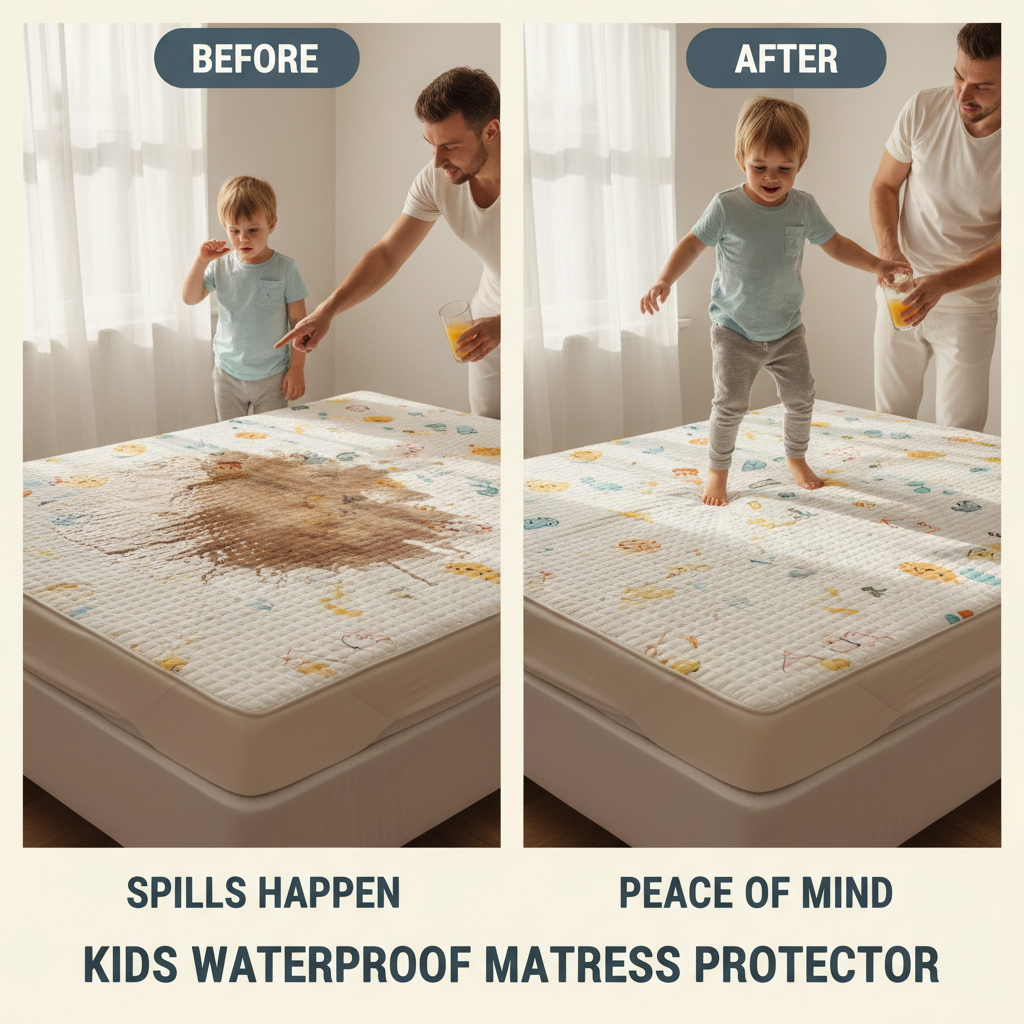
Investing in a high-quality kids waterproof fitted sheet offers significant long-term economic advantages. The cost of replacing a high-end memory foam or spring mattress due to liquid damage is exponentially higher than the price of a few protective sheets. By shielding the core of the mattress, these sheets prevent mold and mildew growth, which are otherwise nearly impossible to remove.
Furthermore, the reduction in professional cleaning costs is a tangible benefit. Parents no longer need to hire specialized steam cleaning services for mattresses after a major spill or bed-wetting incident, as the waterproof layer keeps the contamination on the surface where it can be easily laundered.
Beyond the money, there is the emotional value of "stress-free" parenting. The confidence that a bed is protected allows children to feel more secure during the potty-training phase, removing the anxiety associated with accidents and fostering a more positive developmental experience.
Future Innovations in Pediatric Textiles
The future of the kids waterproof fitted sheet is moving toward "smart" materials and extreme sustainability. We are seeing the emergence of biodegradable TPU alternatives derived from plant-based polymers, reducing the environmental footprint of waterproof bedding without compromising the liquid barrier.
Digital transformation is also touching the textile industry, with the development of moisture-sensing fabrics. Future sheets may be able to alert parents via a mobile app when a sheet has become damp, allowing for immediate changes and improving the skin health of infants who are prone to diaper rash or irritation.
Automation in manufacturing is allowing for more precise "zoned" waterproofing, where only the center of the sheet is fully waterproof while the edges remain highly breathable. This optimization ensures maximum comfort while maintaining maximum protection where it is most needed.
Core Technical Specifications of Modern Waterproof Bedding
| Material Type |
Waterproof Rating |
Breathability Score |
Wash Durability |
| TPU + Organic Cotton |
10/10 |
9/10 |
High |
| TPU + Polyester Blend |
10/10 |
7/10 |
Very High |
| PVC Coated Fabric |
10/10 |
3/10 |
Medium |
| Bamboo + TPU Laminate |
9/10 |
10/10 |
Medium |
| Chemical Spray Coating |
6/10 |
8/10 |
Low |
| Hybrid Mesh Layer |
8/10 |
9/10 |
High |
FAQS
Yes, provided they use a TPU (Thermoplastic Polyurethane) membrane. Unlike PVC, TPU is microporous, meaning it allows air and water vapor to pass through while blocking liquid water. This prevents overheating and ensures a comfortable sleep temperature for infants and toddlers.
To maintain the integrity of the waterproof layer, wash on a gentle cycle with cool or lukewarm water. Avoid using bleach or fabric softeners, as these chemicals can break down the TPU membrane. Tumble dry on low heat or air dry for the longest lifespan.
High-quality waterproof sheets are designed to be hypoallergenic. Look for OEKO-TEX or CertiPUR-US certifications to ensure the materials are free from harmful phthalates and VOCs. Using a cotton or bamboo top layer further minimizes the risk of skin irritation.
Budget sheets made of PVC often make a plastic-like noise. However, modern kids waterproof fitted sheet products using TPU are virtually silent and feel like regular fabric, ensuring the child's sleep is not disrupted by noise.
Depending on usage and wash frequency, most high-quality sheets last 1-3 years. You should replace them if you notice the waterproof layer peeling, if the fabric becomes excessively pilled, or if liquids begin to seep through to the mattress.
A fitted sheet is more convenient for daily changes, whereas a protector is a permanent layer. For maximum protection, many parents use both: a full mattress protector for long-term security and a waterproof fitted sheet for easy, frequent laundering during potty training.
Conclusion
The integration of a kids waterproof fitted sheet into a child's bedding routine is a strategic decision that combines hygiene, economic prudence, and comfort. By utilizing advanced TPU technology and skin-friendly fabrics, these products solve the perennial problem of mattress damage and nighttime accidents while ensuring a breathable, safe sleep environment. From domestic nurseries to professional daycare centers, the value of this textile innovation lies in its ability to simplify caregiving and protect long-term household investments.
As we look toward the future, the move toward sustainable, plant-based waterproof membranes and smart-sensing fabrics will further enhance the quality of pediatric care. For parents and facility managers alike, prioritizing certified, high-performance materials is the best way to ensure health and longevity in the bedroom. For premium, durable, and safe bedding solutions, visit our website: www.sthometextile.com.