Ensuring a hygienic and dry sleep environment for infants is a cornerstone of pediatric wellness and parental peace of mind. A high-quality baby waterproof mattress protector serves as an essential barrier, shielding the mattress from spills, diaper leaks, and perspiration, which prevents the growth of mold and allergens. By integrating advanced textile engineering, these protectors balance liquid impermeability with the breathability required for a baby's sensitive skin.
From a global manufacturing perspective, the demand for specialized baby bedding has surged as parents become more aware of the link between sleep hygiene and infant health. Modern textiles have evolved from simple plastic sheets to sophisticated multi-layered fabrics that offer comfort without compromising on protection. This shift represents a broader industry trend toward "functional comfort," where safety standards and material science intersect to provide optimal care for newborns.
Understanding the technical nuances of a baby waterproof mattress protector—such as TPU laminates, organic cotton surfaces, and hypoallergenic certifications—allows caregivers to make informed decisions. This guide explores the industrial standards, material innovations, and practical applications of these essential accessories, ensuring that every nursery is equipped with a reliable, durable, and safe sleep solution.
The Global Importance of Baby Waterproof Mattress Protectors
In the global textile market, the baby waterproof mattress protector has transitioned from a luxury accessory to a fundamental health requirement. With increasing adherence to ISO safety standards and OEKO-TEX certifications, manufacturers are focusing on eliminating harmful chemicals like phthalates and PVC. This global shift ensures that infants, whose skin is significantly more permeable than adults, are not exposed to endocrine disruptors while maintaining a dry environment.
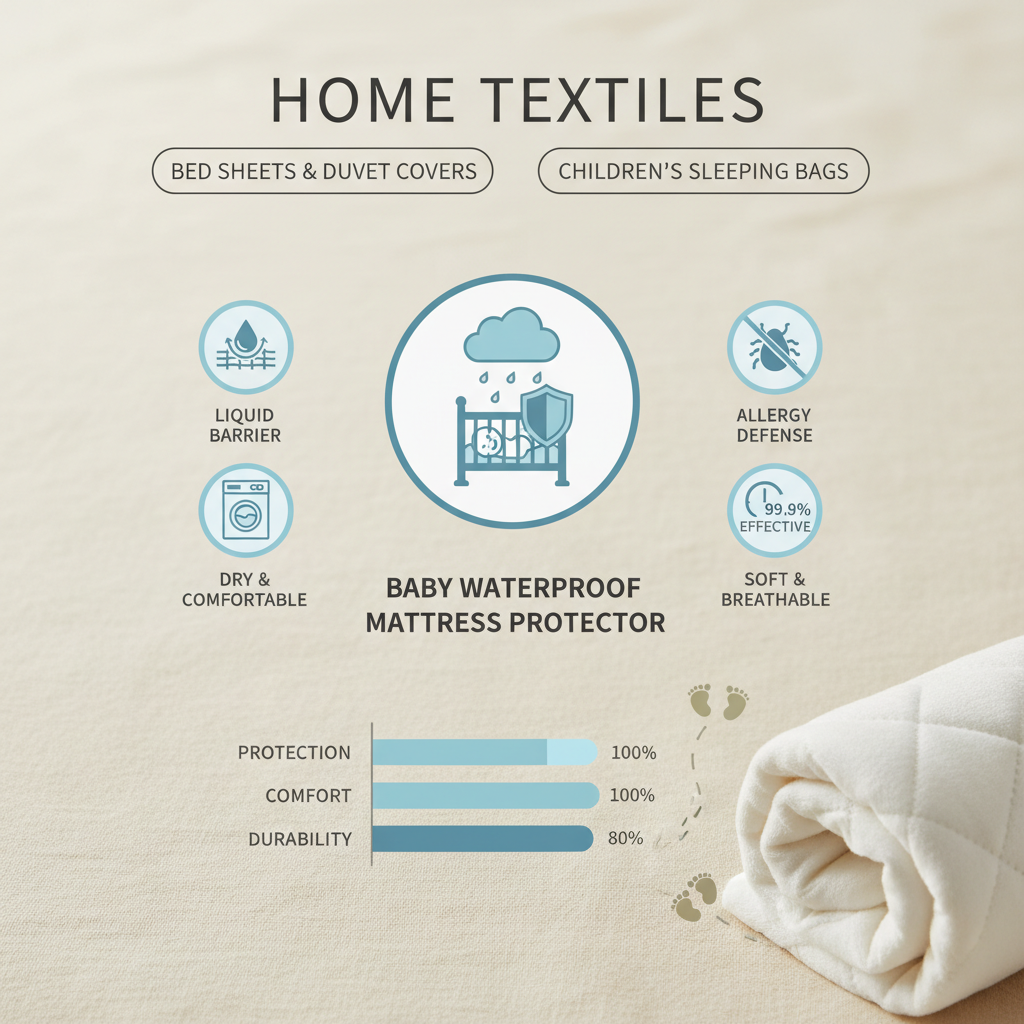
The challenge facing the industry is the "breathability paradox"—creating a surface that is 100% waterproof yet allows air to circulate to prevent overheating, which is a known risk factor for SIDS. By utilizing microporous membranes, the modern industry has successfully mitigated these risks, providing a scalable solution for parents worldwide, regardless of climate or socioeconomic status.
Defining the Technical Architecture of Waterproof Protectors
A baby waterproof mattress protector is technically defined as a multi-layered textile barrier designed to prevent liquid penetration into the mattress core while maintaining tactile comfort. Unlike traditional plastic sheets, these protectors use a composite structure typically consisting of a soft top layer (often cotton or bamboo) and a waterproof laminate backing.
From an industrial standpoint, this product addresses the humanitarian need for sanitation in early childhood development. In regions where mattress replacement is costly, a protector extends the lifespan of bedding indefinitely, reducing landfill waste and ensuring that infants sleep on surfaces free from bacterial colonization and mildew.
The integration of Thermoplastic Polyurethane (TPU) has revolutionized this category. TPU provides a flexible, noise-free, and waterproof layer that does not "crinkle" like PVC, ensuring the baby's sleep is undisturbed. This technical evolution emphasizes the industry's commitment to combining biological safety with ergonomic design.
Core Components and Material Selection
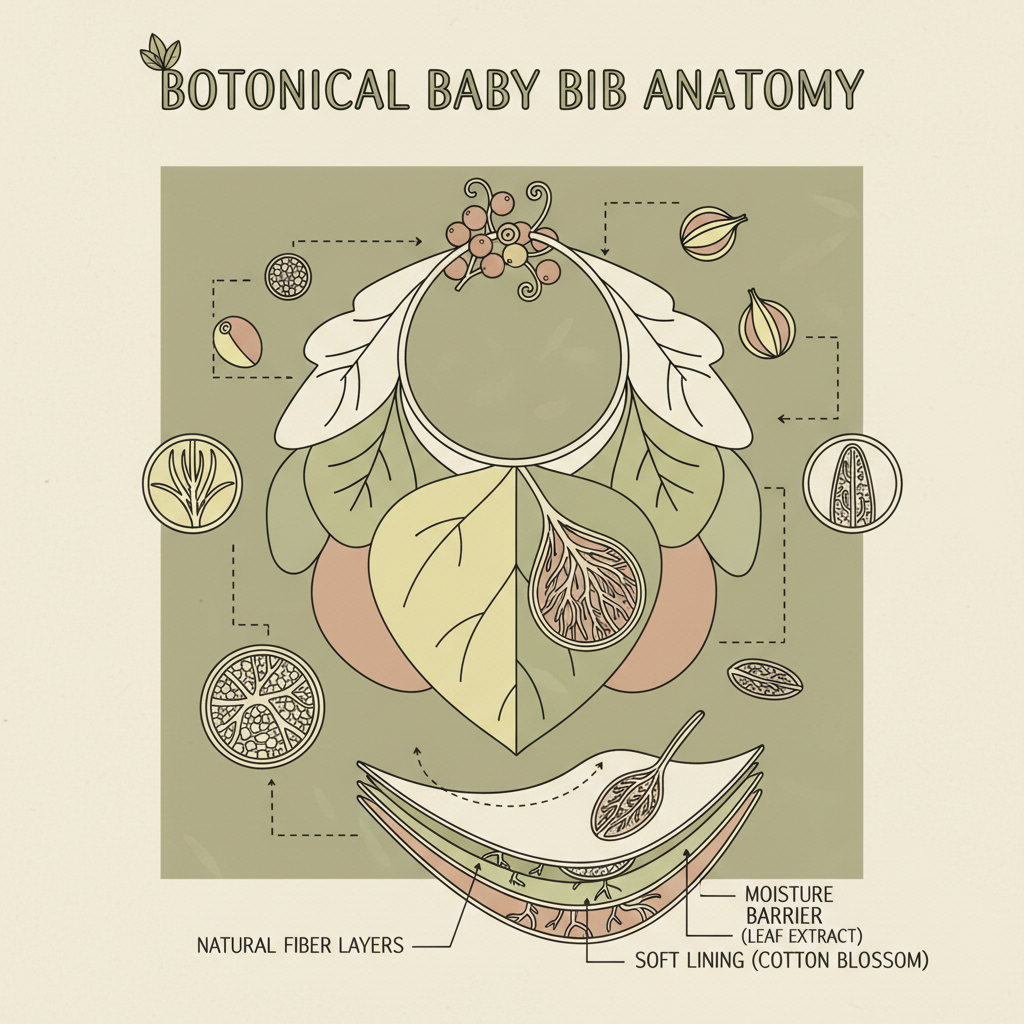
The efficacy of a baby waterproof mattress protector relies heavily on the synergy between its layers. The surface layer is typically engineered from hypoallergenic materials such as organic cotton or bamboo viscose, which are chosen for their moisture-wicking properties and softness against delicate skin.
At the core of the protection is the membrane layer. High-performance protectors utilize a TPU (Thermoplastic Polyurethane) film that is bonded to the fabric. This layer is specifically designed to be waterproof but breathable, allowing water vapor to escape while blocking liquid droplets from entering the mattress.
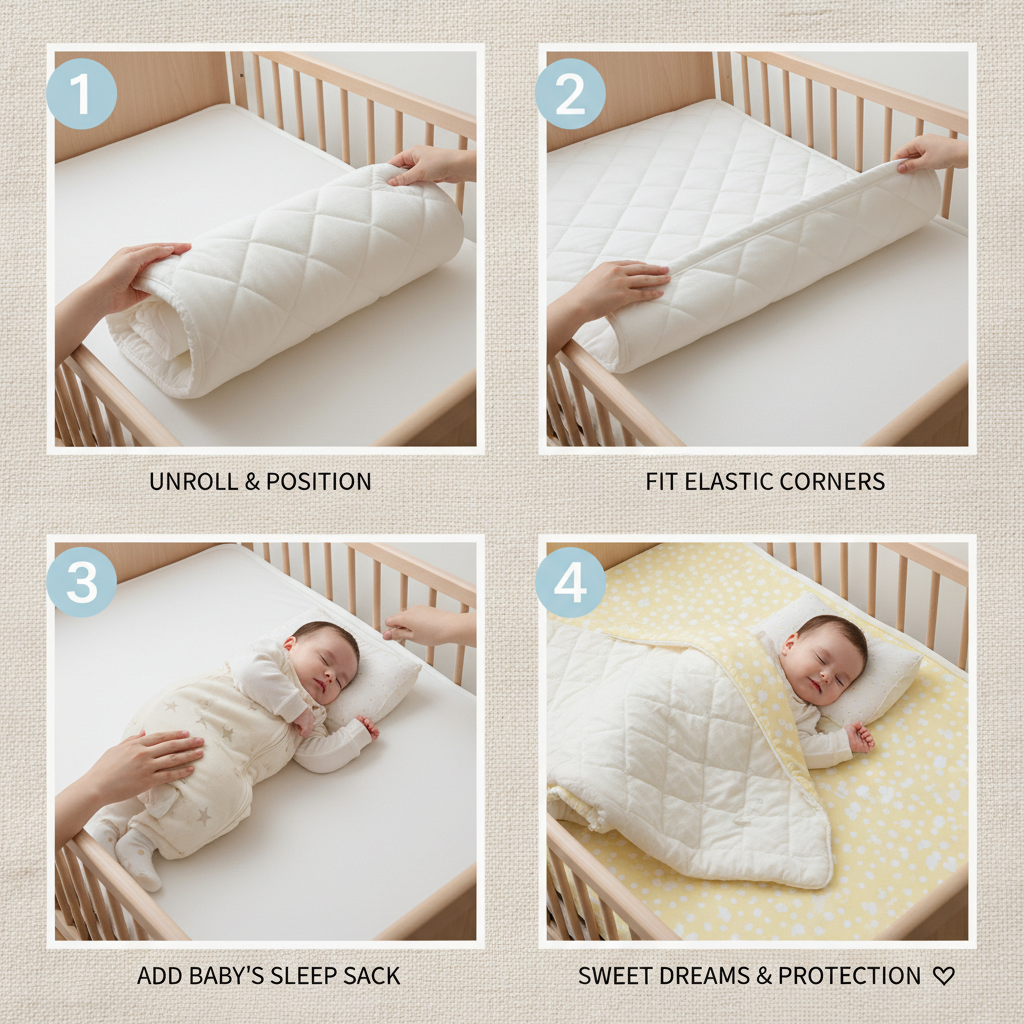
Finally, the structural integrity is maintained through reinforced stitching and elasticized skirts. These ensure the baby waterproof mattress protector remains securely in place, preventing dangerous fabric bunching that could pose a suffocation risk, thereby meeting strict international safety guidelines for infant bedding.
Performance Metrics and Comparative Efficiency
To evaluate the quality of various baby waterproof mattress protector options, the industry looks at specific KPIs: hydrostatic pressure resistance, air permeability, and wash-cycle durability. A superior protector must withstand multiple high-temperature washes without the waterproof membrane delaminating or cracking.
Comparing different material compositions reveals a clear trend toward TPU-based solutions over traditional vinyl. While vinyl is cheap, its lack of breathability and chemical odor make it unsuitable for modern nursery standards. The following data illustrates the relative performance ratings of different protector types.
Performance Comparison of Baby Waterproof Mattress Protector Types
Global Applications in Pediatric Care
The application of the baby waterproof mattress protector extends beyond the home nursery. In neonatal intensive care units (NICUs) and pediatric hospitals, these protectors are vital for maintaining sterile environments. Medical-grade protectors often incorporate antimicrobial treatments to prevent the cross-contamination of pathogens in high-risk clinical settings.
In emerging economies, NGOs and health organizations distribute simplified, durable waterproof bedding to remote industrial zones or post-disaster relief camps. By providing a basic baby waterproof mattress protector, these organizations significantly reduce the incidence of skin infections and respiratory issues caused by damp bedding in suboptimal housing conditions.
Long-Term Value: Health and Sustainability
Investing in a premium baby waterproof mattress protector offers tangible long-term economic value. By preventing the penetration of fluids, the protector eliminates the need for frequent and expensive mattress replacements. This longevity reduces the environmental footprint of the household by decreasing the amount of polyurethane foam and spring steel ending up in landfills.
From a health perspective, the value lies in the prevention of allergen accumulation. Dust mites and mold spores thrive in damp organic matter; by keeping the mattress core dry, the protector acts as a first line of defense against childhood asthma and allergic rhinitis. This proactive approach to hygiene fosters a healthier developmental environment for the child.
Furthermore, the emotional value for parents cannot be overstated. The reliability of a high-quality waterproof barrier reduces the stress associated with nighttime leaks, allowing for a more restful experience for both the caregiver and the infant. This trust in the product's performance is the ultimate goal of functional textile design.
Future Trends in Smart Baby Textiles
The future of the baby waterproof mattress protector is moving toward "smart" integration. We are seeing the emergence of moisture-sensing fabrics that can alert parents via a mobile app when a leak occurs, effectively merging hometextiles with IoT (Internet of Things) technology to streamline diaper changes.
Sustainability is also driving innovation, with the development of biodegradable TPU alternatives. Researchers are exploring plant-based polymers that provide the same waterproof efficacy as petroleum-based plastics but decompose naturally at the end of their life cycle. This alignment with "Green Energy" and circular economy principles is becoming a priority for leading manufacturers.
Additionally, the integration of phase-change materials (PCMs) will allow the next generation of protectors to actively regulate temperature. This means the baby waterproof mattress protector will not only keep the bed dry but also ensure the baby remains at an optimal thermal equilibrium throughout the night.
Technical Analysis of Baby Waterproof Mattress Protector Material Evolutions
| Material Generation |
Waterproof Mechanism |
Breathability Score (1-10) |
Eco-Friendliness |
| Traditional PVC |
Solid Plastic Coating |
2 |
Low |
| Standard TPU |
Microporous Membrane |
7 |
Medium |
| Bamboo-TPU Hybrid |
Laminated Bio-Fabric |
9 |
High |
| Smart-Sense Fabric |
Conductive Polymer Layer |
8 |
Medium |
| Bio-Polymer Resin |
Plant-based Barrier |
8 |
Very High |
| PCM-Integrated TPU |
Thermal-Regulated Film |
7 |
Medium |
FAQS
Yes, provided they use a TPU (Thermoplastic Polyurethane) membrane rather than PVC. TPU is microporous, meaning it allows air and water vapor to pass through while blocking liquid water. This balance is critical for thermoregulation in infants. Always look for "breathable" labels and OEKO-TEX certification to ensure the material meets safety and ventilation standards.
Most modern protectors can be machine-washed on a gentle cycle with cold or lukewarm water. Avoid using bleach or fabric softeners, as these chemicals can break down the waterproof TPU layer over time. To preserve the life of the product, tumble dry on low heat or air dry. High heat is the primary cause of membrane cracking.
While the top layer is usually soft, it is always recommended to place a fitted cotton sheet over the protector. The protector's primary job is to save the mattress, while the top sheet provides the primary comfort layer. If using a bamboo-top protector, it is generally safe, but a sheet adds an extra layer of softness and absorbency.
A waterproof pad is typically a smaller, removable rectangle that sits on top of the mattress and is often used for spot-protection. A baby waterproof mattress protector fully encases the mattress with a fitted skirt, providing 360-degree protection from leaks and preventing the protector itself from shifting during the baby's movement.
Depending on the quality and care, a high-grade TPU protector typically lasts 2-5 years. You can test its effectiveness by pouring a small amount of water on it; if the water soaks through, the membrane has likely developed micro-tears and needs replacement. Regular gentle washing extends its lifespan significantly.
Avoid protectors made from PVC (Polyvinyl Chloride), as they may contain phthalates, which are linked to hormonal disruptions. Instead, choose TPU-based products that are certified as BPA-free and lead-free. Certifications like OEKO-TEX Standard 100 ensure that every component of the textile has been tested for harmful substances.
Conclusion
The integration of a high-performance baby waterproof mattress protector into a nursery is an investment in both hygiene and sustainability. By combining advanced material science—such as breathable TPU membranes and organic surface fabrics—with rigorous safety standards, these protectors ensure a dry, allergen-free sleep environment that is essential for infant health. From the prevention of mold growth to the extension of mattress longevity, the logical and emotional benefits provide an undeniable value proposition for parents globally.
As we look toward the future, the evolution of smart textiles and biodegradable polymers promises to make baby bedding even safer and more eco-friendly. We encourage caregivers and procurement specialists to prioritize certified, breathable materials that align with both pediatric health guidelines and environmental goals. To explore our professional range of infant bedding solutions, visit our website: www.sthometextile.com.