Newborn infant gloves are a surprisingly crucial element of infant care, extending beyond simply keeping tiny hands warm. They serve as a protective barrier against accidental self-scratching, a common occurrence as newborns discover their hands and lack the coordination to control their movements. Understanding the design, materials, and importance of these gloves is vital for parents, caregivers, and manufacturers alike, ensuring the safety and comfort of the most vulnerable members of our society. The global demand for quality newborn infant glove solutions is steadily increasing, driven by rising birth rates in developing nations and a growing awareness of infant safety in developed countries.
The market for newborn infant glove is influenced by trends in baby product safety standards, material innovation – with a move towards organic and hypoallergenic options – and consumer demand for convenience and affordability. Globally, organizations like the World Health Organization (WHO) and UNICEF emphasize the importance of basic infant care, indirectly driving the need for protective items like gloves. Addressing the challenge of providing accessible and safe newborn care, including gloves, particularly in low-resource settings, remains a critical focus. This underscores the broader humanitarian significance of well-designed and readily available newborn infant glove.
Furthermore, the increasing focus on sustainable and ethical sourcing of materials is shaping the industry, demanding transparency and responsible manufacturing practices. This growing consciousness among consumers and businesses highlights the need for innovative and eco-friendly newborn infant glove options.
The Importance of Newborn Infant Glove
Newborns have incredibly delicate skin and a natural tendency to scratch themselves, often unintentionally. Newborn infant glove provides a soft barrier, protecting their faces and bodies from accidental injury caused by their own tiny nails. This is especially important during the first few weeks, as their nails are exceptionally sharp and grow quickly.
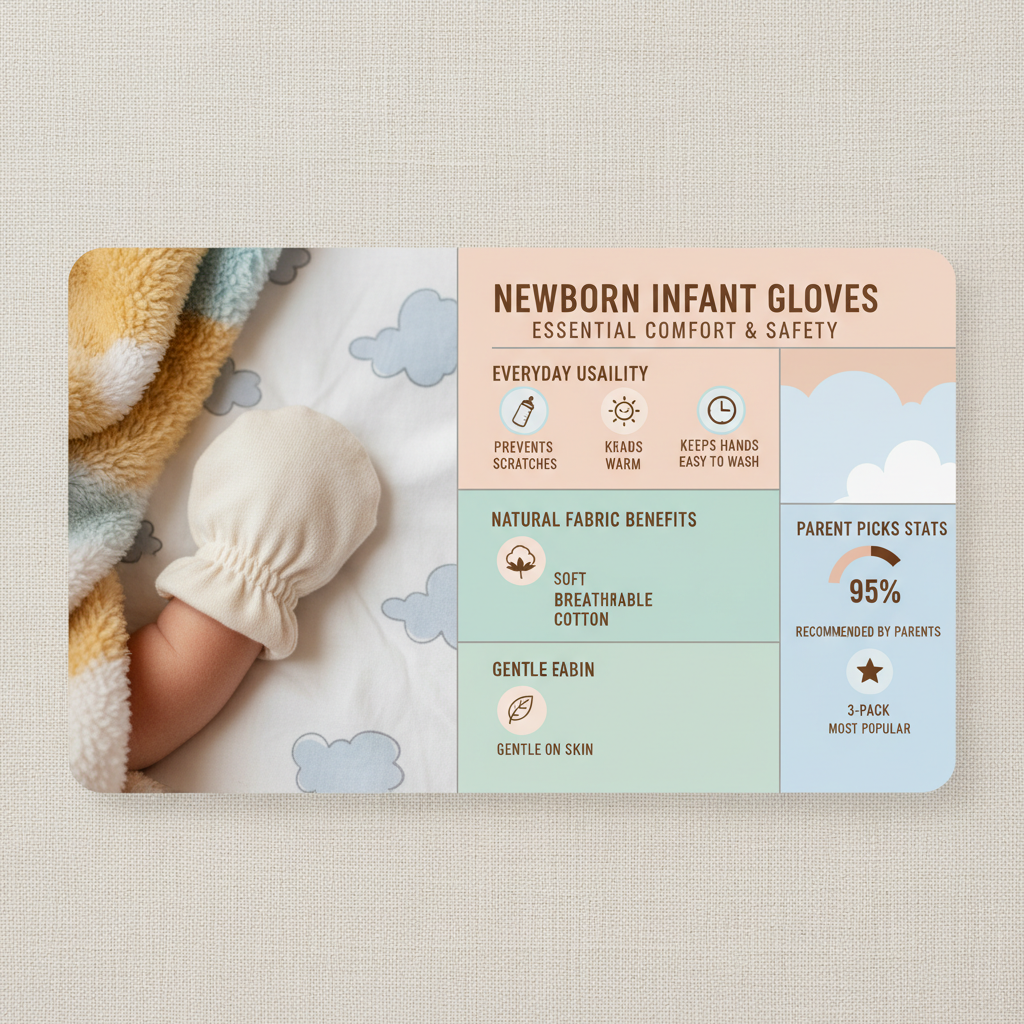
Beyond preventing scratches, these gloves help maintain a stable temperature for the baby's hands, particularly in cooler environments. Properly fitted newborn infant glove contribute to the overall comfort and well-being of the infant, allowing them to sleep more soundly and develop without unnecessary irritation.
Defining Newborn Infant Glove
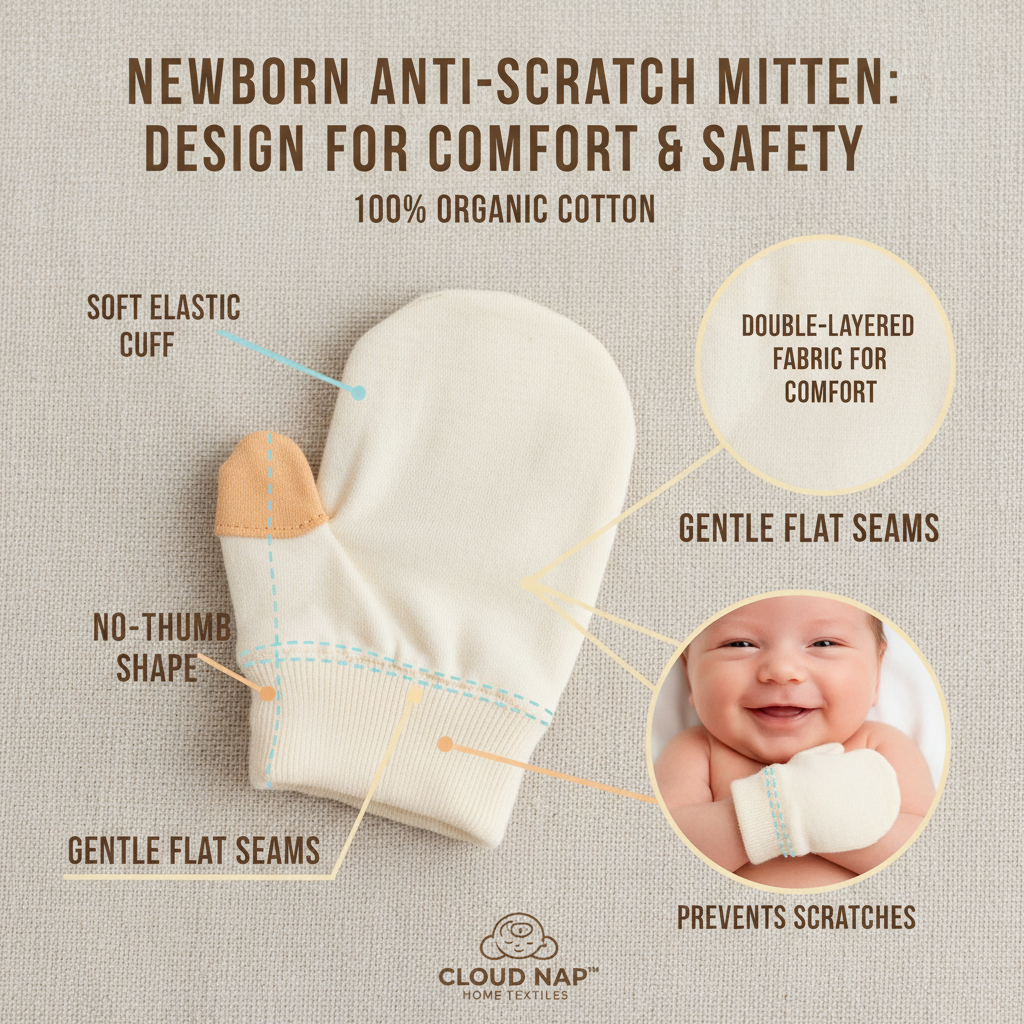
A newborn infant glove is a small, soft covering designed to fit a newborn baby's hands. Typically made from materials like cotton, bamboo, or microfiber, they are intended to prevent self-scratching and provide a degree of warmth. These gloves differ from mittens in that they often feature a more fitted design, allowing some degree of hand movement while still providing protection.
In the context of modern infant care, newborn infant glove represent a preventative measure prioritizing safety and comfort. They are an affordable and accessible solution to a common problem experienced by almost all newborns. Their connection to humanitarian needs lies in their role as a basic component of infant care kits distributed in developing regions or during disaster relief efforts.
The design and functionality of newborn infant glove have evolved from simple cloth wraps to more sophisticated designs featuring adjustable closures and breathable fabrics, reflecting a growing understanding of infant physiology and the importance of comfortable, secure clothing.
Key Factors in Newborn Infant Glove Design
Material Safety: The materials used in newborn infant glove are paramount. Hypoallergenic, breathable fabrics like organic cotton or bamboo are preferred to minimize the risk of skin irritation or allergic reactions. The dyes used must also be non-toxic and safe for infant contact.
Fit and Comfort: A snug, but not constricting, fit is crucial. Newborn infant glove should allow for some hand movement while securely staying on the baby’s hands. Poorly fitted gloves can be uncomfortable, restrict circulation, or even pose a choking hazard if they come loose.
Durability and Washability: Frequent washing is essential for maintaining hygiene. The gloves must withstand repeated washes without losing their shape, color, or softness. Durable construction ensures a longer lifespan and reduces the need for frequent replacements.
Global Applications of Newborn Infant Glove
Newborn infant glove are utilized globally in hospitals, birthing centers, and homes. In developed countries, they are a standard inclusion in newborn care packages provided to parents. Their use is particularly prevalent in colder climates where maintaining hand warmth is a priority.
In developing nations, organizations like UNICEF and WHO often distribute newborn infant glove as part of essential maternal and child health kits, particularly in areas with limited access to healthcare. These kits are often provided during prenatal care programs or following natural disasters.
Furthermore, the demand for newborn infant glove extends to the specialized care sector, with adapted designs used in neonatal intensive care units (NICUs) for premature infants, offering enhanced protection and temperature regulation.
Newborn Infant Glove Method Comparison
Advantages and Long-Term Value
The primary advantage of newborn infant glove is the prevention of self-inflicted scratches, reducing discomfort and potential infection risks for the baby. This contributes to a calmer, more peaceful environment for both the infant and the caregivers.
Long-term value extends beyond immediate comfort. By protecting the baby’s delicate skin, newborn infant glove can minimize the risk of scarring and long-term skin sensitivity. The affordability of these gloves makes them a cost-effective preventative measure.
Future Trends and Innovation
The future of newborn infant glove will likely see an increased emphasis on sustainable materials, such as recycled fabrics and biodegradable components. Smart glove technology, incorporating sensors to monitor a baby’s temperature or heart rate, could also emerge.
Furthermore, advancements in textile engineering may lead to gloves with enhanced breathability and moisture-wicking properties, improving overall comfort and reducing the risk of skin irritation. Integration with wearable infant monitoring systems is another potential avenue for innovation.
Challenges and Solutions in Newborn Infant Glove Production
A key challenge is ensuring consistent quality and safety standards across various manufacturing facilities, particularly in regions with less stringent regulations. Maintaining ethical sourcing of materials and fair labor practices is also crucial.
Solutions include implementing rigorous quality control procedures, obtaining certifications from reputable organizations, and partnering with suppliers committed to sustainability and ethical production. Transparency in the supply chain and independent audits are vital for building consumer trust.
Another challenge is minimizing waste during the production process. Utilizing efficient cutting techniques and exploring the use of recycled materials can help reduce the environmental impact of newborn infant glove manufacturing.
Overview of Newborn Infant Glove Production and Quality Control
| Material Source |
Production Process |
Quality Control Measures |
Sustainability Rating (1-10) |
| Organic Cotton Farms – India |
Cutting, Sewing, Finishing, Packaging |
Fabric Inspection, Seam Strength Testing, Dye Toxicity Analysis |
9 |
| Bamboo Fiber Mills – China |
Yarn Production, Knitting, Dyeing, Assembly |
Shrinkage Testing, Colorfastness Assessment, Allergen Screening |
7 |
| Recycled Polyester Suppliers – USA |
Fiber Extraction, Spinning, Weaving, Glove Construction |
Tensile Strength Testing, Flammability Assessment, Chemical Residue Analysis |
8 |
| Microfiber Textile Factories – Vietnam |
Fabric Production, Pattern Cutting, Stitching, Quality Check |
Dimensional Accuracy, Stitch Density Evaluation, Material Composition Verification |
6 |
| Merino Wool Producers – Australia |
Wool Shearing, Fiber Processing, Knitting, Glove Creation |
Wool Fiber Length Measurement, Pilling Resistance Test, Moisture Wicking Assessment |
7 |
| Local Cotton Farms - Turkey |
Cotton Harvesting, Ginning, Yarn Spinning, Glove Manufacturing |
Fiber Purity Analysis, Fabric Weight Measurement, Hand Feel Evaluation |
8 |
FAQS
Organic cotton is often considered the best material due to its softness, breathability, and hypoallergenic properties. Bamboo is another excellent choice, offering similar benefits with added moisture-wicking capabilities. Avoid synthetic materials that may irritate a baby’s sensitive skin. Properly sourced and processed materials are key for ensuring infant safety and comfort when choosing newborn infant glove.
Newborn infant glove should be washed after every use, or at least daily, to remove any accumulated bacteria or irritants. Use a mild, fragrance-free detergent and wash them separately from other laundry items. Gentle washing cycles and low heat drying are recommended to preserve the softness and shape of the gloves. Ensuring cleanliness is paramount for maintaining infant hygiene and preventing skin problems.
While not strictly necessary, newborn infant glove are highly recommended, especially during the first few weeks of life. Newborns often have sharp nails and a tendency to scratch their faces, and gloves provide a protective barrier. They also help maintain hand warmth, particularly in cooler climates. Ultimately, whether to use them is a parental preference, but they offer a simple and effective solution to a common infant care challenge.
Newborn infant glove typically come in one size, designed to fit most newborns. However, it's important to ensure a snug but not constricting fit. Avoid gloves that are too loose, as they could come off easily and pose a choking hazard. If your baby has particularly small or large hands, you may need to look for specific sizing options or consider alternatives. Checking sizing charts from reputable brands can also assist in finding the correct fit.
Signs of irritation include redness, rash, or swelling on the baby’s hands. If you notice any of these symptoms, discontinue use immediately and consult with a pediatrician. Ensure the gloves are made from hypoallergenic materials and are washed thoroughly before each use. Regularly checking your baby's skin will help identify any potential allergic reactions or sensitivities.
The main safety concern is ensuring the gloves fit securely and do not pose a choking hazard if they come loose. Avoid gloves with small parts or embellishments that could detach. Regularly inspect the gloves for any signs of damage or wear. Choosing gloves made from safe, non-toxic materials is also crucial to minimize the risk of skin irritation or allergic reactions.
Conclusion
Newborn infant glove, while seemingly simple, play a significant role in infant care. They provide essential protection against self-scratching, help maintain hand warmth, and contribute to the overall comfort and well-being of newborns. The focus on material safety, proper fit, and ethical production practices is paramount, ensuring a positive experience for both babies and parents. Understanding the key factors involved in newborn infant glove design and application is essential for caregivers and manufacturers alike.
Looking ahead, innovation in sustainable materials and potential smart technology integration promises to further enhance the functionality and benefits of newborn infant glove. Continued emphasis on quality control, ethical sourcing, and consumer education will be crucial for maintaining trust and ensuring the safety of these essential infant care items. For quality newborn infant glove options, visit our website: www.sthometextile.com.