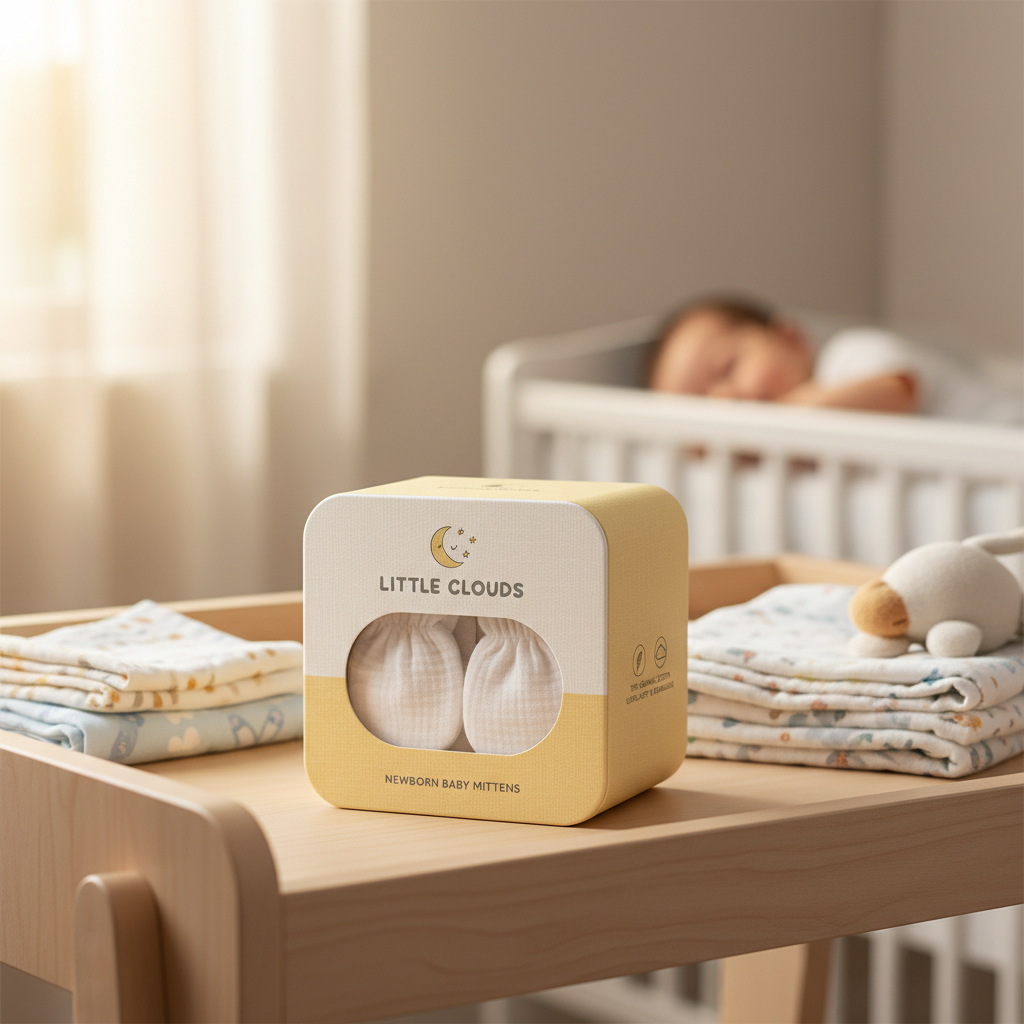
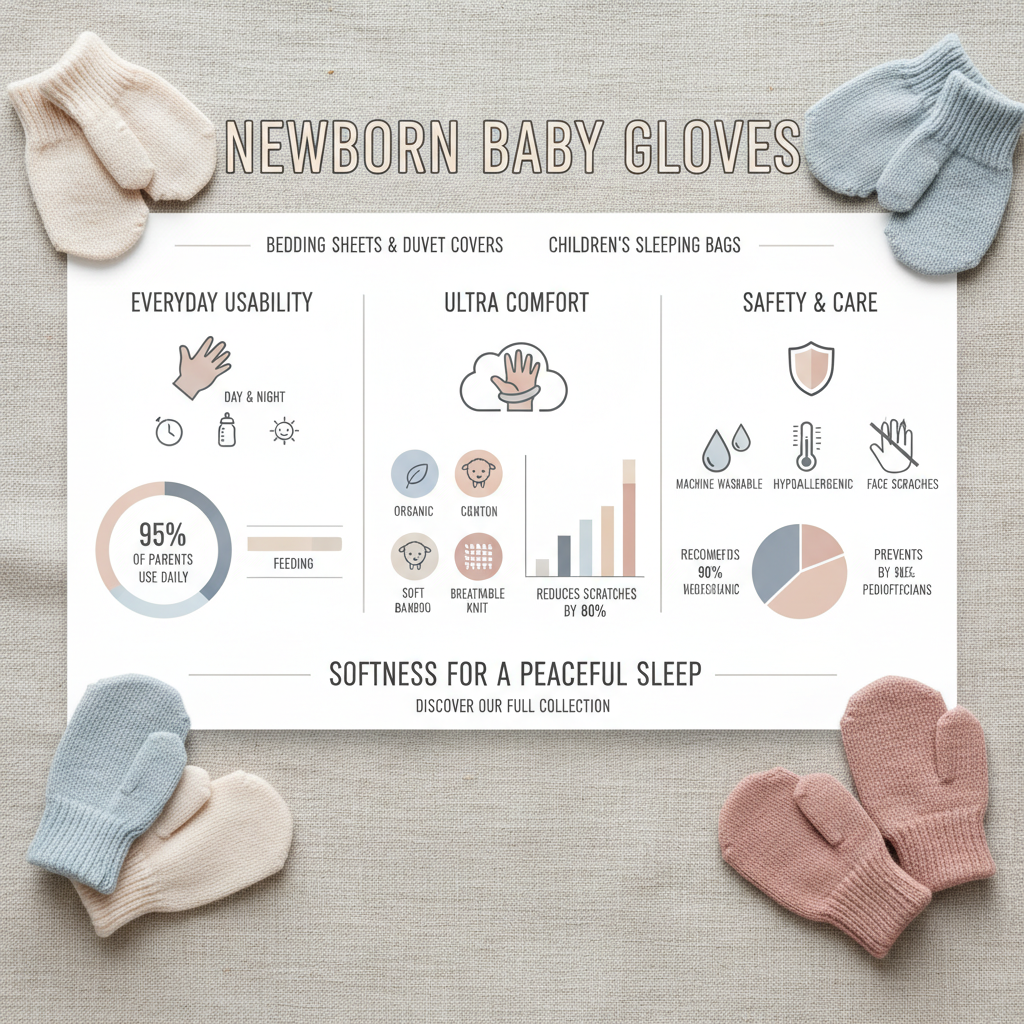
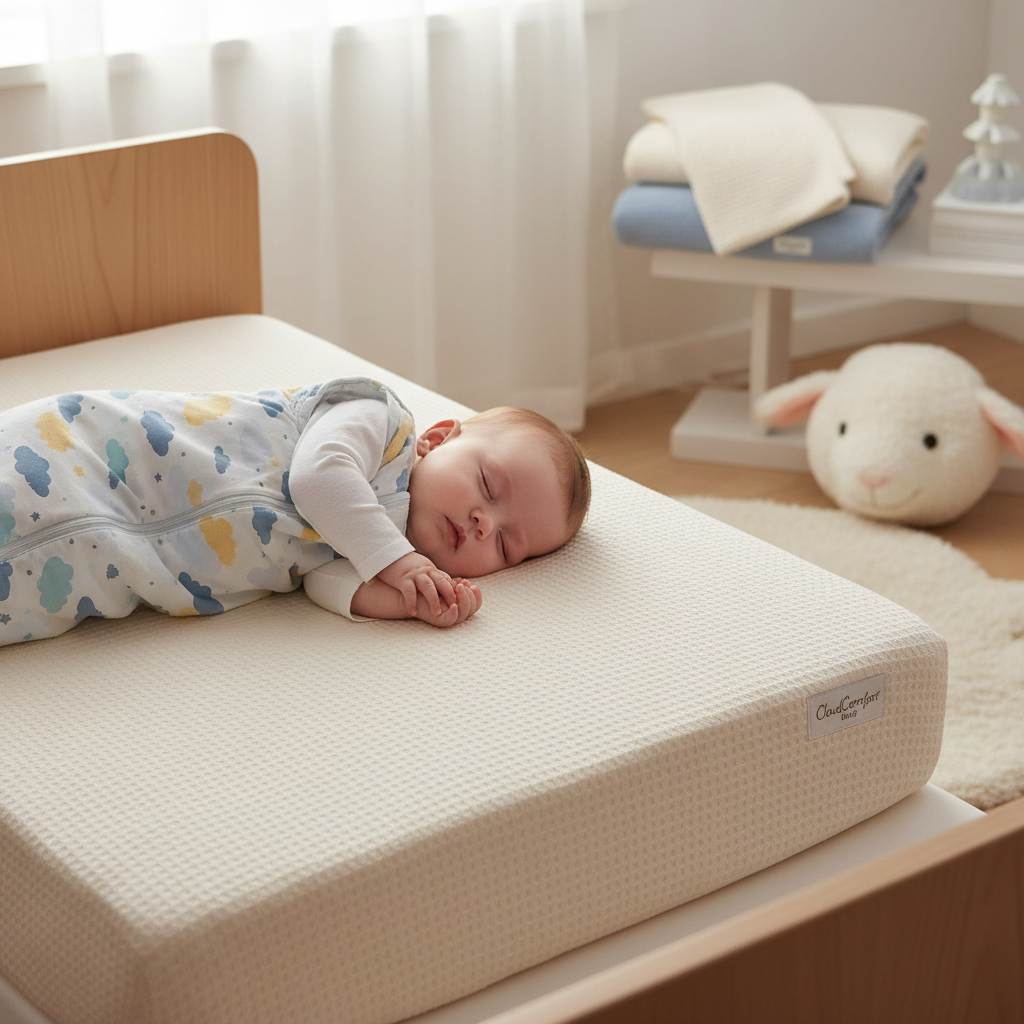
Newborn baby gloves are essential items for protecting a baby’s delicate hands from scratches and ensuring their comfort. Globally, the demand for these gloves is consistently high due to the universal need to safeguard newborns. Understanding the nuances of newborn baby glove design, materials, and safety standards is crucial for parents, caregivers, and manufacturers alike. The benefits are multifaceted – preventing self-injury, promoting better sleep, and contributing to a sense of security for both baby and parents.
The significance of newborn baby gloves extends beyond simple protection. In regions with limited access to healthcare or harsh environmental conditions, these gloves can play a vital role in preventing infections and maintaining hygiene. With an estimated 140 million births annually worldwide (according to UN data), the collective need for safe and comfortable newborn accessories like gloves is substantial. Addressing challenges such as material sourcing, production costs, and equitable distribution is key to ensuring all newborns benefit from this essential item.
The increasing awareness regarding baby safety and comfort has fueled a growing market for specialized baby products, including newborn baby glove. This demand drives innovation in materials, designs, and manufacturing processes. A quality newborn baby glove is more than just an accessory; it's a contribution to a baby's well-being and a parent's peace of mind.
The Importance of Newborn Baby Glove
A newborn’s skin is incredibly delicate, and their natural reflexes can often lead to unintentional scratches to their face. Newborn baby gloves serve as a protective barrier, preventing these self-inflicted injuries and promoting uninterrupted sleep. The importance of these gloves extends to maintaining hygiene, particularly in environments where a baby might touch contaminated surfaces.
Beyond the practical benefits, newborn baby gloves also contribute to a sense of security for both the baby and the parents. Knowing that the baby's hands are protected can alleviate parental anxiety and foster a more peaceful environment. Choosing the right newborn baby glove is an investment in a baby's comfort and well-being.
Defining Newborn Baby Glove
Newborn baby gloves are small, soft coverings designed to protect a baby’s hands from scratching their own face. They typically cover the entire hand and wrist, and are secured with a gentle elastic band or are designed as a mitten-style enclosure. They're considered an essential part of a newborn's wardrobe, alongside items like onesies, hats, and socks.
The modern interpretation of newborn baby glove has evolved from simple cloth wraps to more sophisticated designs incorporating breathable materials and ergonomic features. They address a fundamental need – to safeguard a vulnerable baby – while also reflecting the increasing focus on comfort and safety in baby products.
The significance of well-designed newborn baby glove stems from its connection to both immediate infant care and broader public health concerns. Preventing skin breaks reduces the risk of infection, particularly in vulnerable populations or resource-limited settings.
Key Characteristics of Quality Newborn Baby Glove
When selecting newborn baby gloves, several key characteristics should be considered. Firstly, the material must be exceptionally soft and gentle against a baby’s sensitive skin. Cotton, bamboo, and organic blends are often preferred. Secondly, the gloves should be breathable to prevent overheating and moisture buildup.
Thirdly, the design should ensure a secure but comfortable fit, avoiding tight elastic bands that could restrict circulation. Fourthly, ease of cleaning is vital – newborn baby gloves require frequent washing, so machine-washable materials are highly desirable. Finally, consider the stitching; it should be smooth and secure to prevent irritation.
These characteristics contribute to the overall quality and effectiveness of newborn baby glove, ensuring that they fulfill their primary function: protecting a baby’s delicate hands without causing discomfort or harm.
Material Composition and Durability
The material composition of newborn baby gloves significantly impacts their comfort, safety, and durability. Common materials include 100% cotton, organic cotton, bamboo, and microfleece. Each material offers unique benefits – cotton is breathable and affordable, organic cotton minimizes exposure to harmful chemicals, bamboo is incredibly soft and sustainable, and microfleece provides warmth.
Durability is also a critical factor. Frequent washing and wear can quickly degrade lower-quality materials. Reinforced stitching and well-constructed seams contribute to a glove's longevity. A durable newborn baby glove is a more economical and environmentally friendly choice in the long run.
Durability Ratings of Common Newborn Baby Glove Materials
Global Applications and Market Trends
The market for newborn baby gloves is global, with significant demand in developed and developing countries alike. In North America and Europe, the focus is on premium materials, sustainable production, and innovative designs. In Asia-Pacific and Latin America, affordability and accessibility are key drivers of demand.
Current market trends indicate a growing preference for organic and hypoallergenic materials. Consumers are increasingly conscious of the potential health risks associated with synthetic fabrics and chemical dyes. This trend is driving manufacturers to prioritize eco-friendly sourcing and production practices.
Advantages and Long-Term Value
The advantages of using newborn baby gloves are numerous. Primarily, they prevent accidental self-injury, offering peace of mind to parents. They also contribute to improved sleep quality for the baby by minimizing disturbance from scratching. Furthermore, they can protect the baby's hands from harsh weather conditions or potential irritants.
The long-term value lies in promoting healthy skin development and preventing infections. A baby's delicate skin is particularly vulnerable, and even minor scratches can become infected. By providing a protective barrier, newborn baby gloves can help maintain skin integrity and minimize the risk of complications.
Investing in quality newborn baby gloves is an investment in a baby's overall well-being. The relatively low cost of these items is outweighed by the potential benefits they provide, both in terms of physical health and parental peace of mind.
Future Innovations in Newborn Baby Glove Design
Future innovations in newborn baby glove design are likely to focus on enhancing comfort, functionality, and sustainability. We can anticipate the integration of smart textiles with sensors that monitor a baby’s temperature or skin health. Biodegradable materials and zero-waste manufacturing processes will become increasingly prevalent.
Another potential area of innovation is the development of gloves with adjustable sizing to accommodate a baby’s rapid growth. Ergonomic designs that promote natural hand movement and development are also likely to emerge. The use of 3D printing technology could enable customized glove designs tailored to individual baby's needs.
Table Summarizing Future Innovations in Newborn Baby Glove Design
| Innovation Area |
Technology Involved |
Potential Benefits |
Implementation Timeline |
| Smart Textiles |
Integrated Sensors |
Real-time monitoring of baby's health |
3-5 years |
| Sustainable Materials |
Biodegradable Polymers, Organic Cotton |
Reduced environmental impact |
1-3 years |
| Adjustable Sizing |
Flexible Fabrics, Velcro Straps |
Extended product lifespan |
2-4 years |
| Ergonomic Design |
Anatomical Modeling |
Promotes natural hand development |
3-5 years |
| 3D Printing |
Customizable Materials |
Personalized fit and features |
5+ years |
| Antimicrobial Fabrics |
Silver Nanoparticles, Natural Antimicrobials |
Reduced risk of infection |
2-3 years |
FAQS
Organic cotton or bamboo are generally considered the best materials for newborn baby gloves due to their softness, breathability, and hypoallergenic properties. These materials minimize the risk of irritation and are gentle on a baby’s delicate skin. Avoid synthetic materials like polyester, which can trap moisture and cause discomfort.
Newborn baby gloves should be washed frequently, ideally after each use, or at least every other day. Babies often drool or touch various surfaces with their hands, making frequent washing essential for maintaining hygiene. Use a mild, fragrance-free detergent and wash on a gentle cycle.
Even if your baby doesn't appear to scratch frequently, newborn baby gloves can still be beneficial. Babies’ reflexes are unpredictable, and they may scratch themselves during sleep. Gloves also provide a barrier against environmental irritants and help maintain hygiene. They’re a preventative measure as much as a reactive one.
Newborn baby glove sizes typically correspond to a baby’s age range (e.g., 0-3 months). However, babies grow quickly, so it's best to choose gloves that allow some room for growth. Avoid gloves that are too tight, as they can restrict circulation. Measure your baby’s hand if possible for a more accurate fit.
Newborn baby gloves cannot prevent allergies, but they can reduce exposure to potential allergens. By creating a barrier between the baby’s hands and the environment, gloves can minimize contact with dust mites, pollen, and other common allergens. However, it's important to address underlying allergy concerns with a pediatrician.
Ensure the gloves are made from non-toxic materials and have secure stitching to prevent small parts from detaching. Check for any loose threads or embellishments that could pose a choking hazard. Choose gloves with elastic bands that aren’t too tight, and monitor your baby regularly while they are wearing them.
Conclusion
In conclusion, newborn baby gloves are an indispensable accessory for protecting a baby's delicate hands and promoting their overall well-being. From preventing scratches and maintaining hygiene to contributing to a sense of security, the benefits are multifaceted. The key lies in selecting gloves made from soft, breathable materials with a secure and comfortable fit. Understanding the evolving market trends and future innovations will ensure parents can provide their babies with the best possible care.
Looking ahead, advancements in materials and design will continue to enhance the functionality and sustainability of newborn baby gloves. Prioritizing organic and hypoallergenic options, exploring smart textile technologies, and embracing eco-friendly manufacturing processes will be crucial for meeting the evolving needs of both babies and the planet. For high-quality newborn baby gloves and related products, visit our website: newborn baby glove.