0%

Table of Contents

Infant gloves are essential protective wear for babies and toddlers, designed to keep their delicate hands warm and prevent scratching. Understanding the importance of infant gloves extends beyond simply preventing minor injuries; it impacts a baby’s sensory development and overall well-being. From selecting the right materials to considering ease of use for parents, choosing the correct infant glove is a crucial part of early childcare.

Globally, the demand for high-quality infant gloves is steadily increasing alongside rising birth rates in developing nations and a growing emphasis on child safety in developed countries. Data from the United Nations Population Fund indicates a continuing need for infant care products, especially in regions with limited access to healthcare and resources. The market is driven by parental concerns regarding accidental scratches, cold weather protection, and preventing self-inflicted harm during the early stages of development.

The rising awareness about the importance of child safety and the increasing disposable incomes in emerging economies are driving the growth of the infant glove market. This demand also challenges manufacturers to innovate and create products that are not only safe and functional but also sustainable and ethically produced. infant gloves, therefore, play a vital role in supporting both infant health and responsible manufacturing practices.

The Importance of Infant Gloves for Baby’s Health and Safety

The Significance of Infant Gloves

The Importance of Infant Gloves for Baby’s Health and Safety

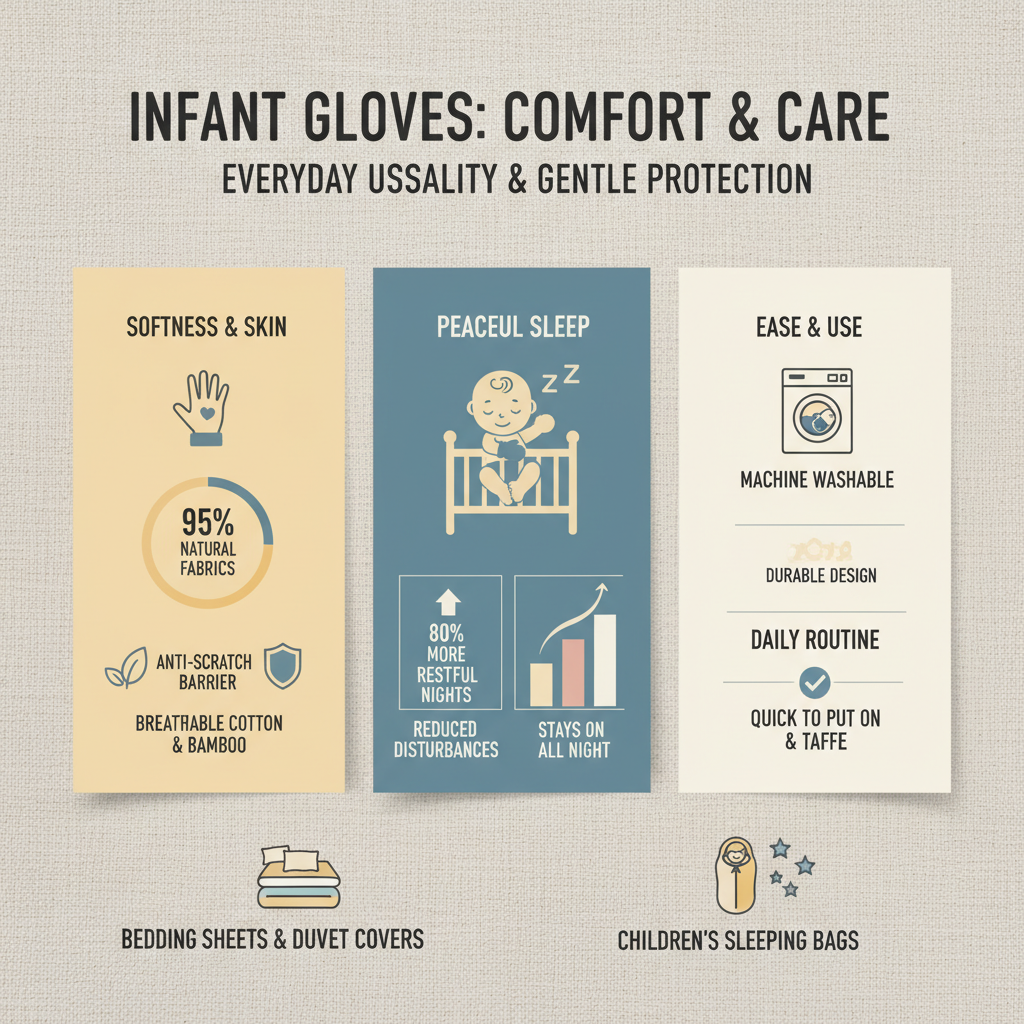
Infant gloves aren't merely accessories; they are essential for protecting a baby's sensitive skin from accidental scratches, both self-inflicted and from external sources. A newborn’s nails grow quickly and can be surprisingly sharp, making scratches a common occurrence. Effective infant gloves provide a soft barrier, preventing discomfort and potential skin irritation.

Beyond preventing scratches, infant gloves also offer crucial warmth, especially during colder months. Babies have limited ability to regulate their body temperature, and their hands are particularly vulnerable to the cold. Properly designed gloves help maintain healthy circulation and prevent discomfort, ensuring a baby remains comfortable in various weather conditions.

Defining Infant Gloves

Infant gloves are specifically designed coverings for a baby’s hands, typically made from soft, breathable materials like cotton, fleece, or bamboo. They are designed to stay securely on a baby's hands, preventing them from being easily pulled off. Unlike adult gloves, infant gloves often prioritize comfort and flexibility over heavy-duty protection.

Modern infant gloves are evolving beyond simple hand coverings. Features like adjustable closures, waterproof materials, and integrated mittens are becoming increasingly common. This evolution reflects a greater understanding of infant development and a demand for products that cater to a wider range of needs.

The connection to modern industry lies in the manufacturing processes employed, focusing on sustainable materials and ethical production practices. Humanitarian needs are addressed by providing affordable and accessible protective wear for infants in vulnerable populations, ensuring basic comfort and preventing infections from minor injuries.

Key Components of Effective Infant Gloves

Durability is paramount. Infant gloves undergo frequent washing and are subjected to considerable wear and tear. High-quality materials and reinforced stitching ensure the gloves maintain their shape and functionality over time, providing reliable protection for extended use.

Breathability is also critical. Babies can easily overheat, and non-breathable gloves can trap moisture, leading to skin irritation. Choosing gloves made from natural, breathable fabrics like cotton or bamboo helps regulate temperature and prevents discomfort. The right material allows for air circulation while still offering adequate protection.

Safety is non-negotiable. Infant gloves should be free of small parts that could pose a choking hazard. Closures should be secure yet easy for parents to use, and the gloves should fit snugly without restricting circulation. Compliance with safety standards is a vital aspect of quality infant glove design.

Practical Applications of Infant Gloves

In everyday life, infant gloves prevent accidental scratches during playtime and sleep. Babies often flail their arms and can easily scratch their faces, leading to discomfort and potential infection. Gloves provide a simple and effective solution.

During colder seasons, infant gloves are crucial for keeping tiny hands warm, protecting against frostbite and ensuring comfortable outdoor excursions. This is especially important for premature babies or those with limited body fat.

Infant Glove Performance Metrics


Global Benefits and Value of Infant Gloves

Infant gloves offer significant cost savings by preventing skin infections and reducing the need for medical intervention due to scratches. A simple pair of gloves can avert costly trips to the doctor and potential antibiotic treatments.

From a sustainability standpoint, durable infant gloves made from organic or recycled materials minimize environmental impact. Choosing eco-friendly options supports responsible manufacturing practices and reduces waste.

Future Trends in Infant Glove Technology

The integration of smart fabrics with temperature regulation capabilities is a growing trend. These materials can adapt to changing temperatures, ensuring optimal comfort for infants.

Advancements in antimicrobial fabrics are also promising, providing enhanced protection against bacteria and reducing the risk of infection. These innovations aim to create gloves that are not only comfortable but also actively promote infant health.

Digital monitoring systems embedded within gloves, tracking skin temperature and movement, are being explored for early detection of potential health issues. This represents a significant step towards preventative care.

Challenges and Solutions in Infant Glove Production

A major challenge is ensuring a secure and comfortable fit for a wide range of infant hand sizes. Solutions include adjustable closures, stretchy materials, and a greater emphasis on ergonomic design.

Maintaining affordability while using sustainable materials can be difficult. Exploring innovative sourcing methods and optimizing manufacturing processes are crucial for addressing this challenge.

Addressing concerns about potential allergens in certain materials requires careful material selection and rigorous testing. Using hypoallergenic materials and clearly labeling ingredients are essential for ensuring product safety.

Analysis of Infant Glove Production and Material Sourcing

Material Type Production Cost (USD) Sustainability Score (1-10) Allergen Risk (1-10)
Organic Cotton 1.50 9 2
Bamboo Fiber 1.75 8 3
Fleece (Polyester) 1.00 4 5
Microfiber (Synthetic) 0.80 3 6
Recycled Cotton 1.60 7 2
Waterproof Nylon 2.00 2 7

FAQS

What materials are safest for infant gloves?

Organic cotton and bamboo fabrics are generally considered the safest choices for infant gloves. They are hypoallergenic, breathable, and gentle on sensitive skin. Avoid materials with potential irritants or dyes, especially if your baby has allergies. Look for certifications like GOTS (Global Organic Textile Standard) to ensure the materials are responsibly sourced and processed.

How often should I wash infant gloves?

Infant gloves should be washed frequently, ideally after each use, especially if they have been exposed to saliva, dirt, or other potential contaminants. Use a mild, fragrance-free detergent and wash them on a gentle cycle. Always check the care label for specific instructions. Regular washing helps prevent skin irritation and keeps the gloves hygienic.

What size infant gloves should I buy?

Infant glove sizes vary by brand, but generally correspond to age ranges. However, it's best to measure your baby's hand to ensure a proper fit. The gloves should be snug but not too tight, allowing for comfortable movement. Avoid gloves that are too large, as they could pose a safety hazard.

Are waterproof infant gloves necessary?

Waterproof infant gloves can be useful in wet or snowy conditions. However, it's important to ensure they are still breathable to prevent overheating. Consider the climate and your baby's activities when deciding whether to invest in waterproof gloves. Avoid gloves with excessive bulk, which could restrict movement.

How do I prevent my baby from pulling off their gloves?

Look for infant gloves with adjustable closures, such as Velcro straps or elastic cuffs, to help keep them securely in place. Choose gloves that fit snugly but comfortably. Some gloves are designed with longer cuffs that extend further up the arm, making them more difficult to remove. Constant monitoring is key.

What should I look for in terms of sustainability when buying infant gloves?

Prioritize gloves made from organic, recycled, or sustainably sourced materials like organic cotton or bamboo. Look for brands that follow ethical manufacturing practices and minimize their environmental impact. Consider the packaging as well – choose products with minimal and recyclable packaging. Supporting sustainable brands helps create a healthier planet for future generations.

Conclusion

In conclusion, infant gloves are a crucial component of early childcare, offering protection, warmth, and peace of mind for parents. From preventing scratches to safeguarding against the cold, these seemingly simple items play a significant role in a baby’s comfort and well-being. The evolution of materials, designs, and manufacturing processes reflects a growing commitment to both safety and sustainability.

Looking ahead, continued innovation in smart fabrics, ergonomic design, and eco-friendly materials promises even more effective and responsible infant glove options. By prioritizing quality, safety, and sustainability, we can ensure that all babies have access to the comfortable and protective care they deserve. Visit our website at www.sthometextile.com to explore our range of high-quality infant gloves.

James Wilson

James Wilson

James Wilson is Suntex's Supply Chain Director, overseeing all aspects of logistics, sourcing, and distribution. With over 12 years of experience in supply chain management, James is a skilled negotiator and problem solver. He is responsible for ensuring timely delivery of products to customers worldwide, while maintaining cost-effectiveness. He successfully
Previous The Essential Guide to Newborn Baby Glove Safety and Comfort
Next The Essential Role of Baby Gloves in Infant Care and Development
SUNTEX
fin
Copyright © 2026 Suntex Import & Export Trading Co., Ltd. All Rights Reserved. Sitemap | Privacy Policy | Top Blog