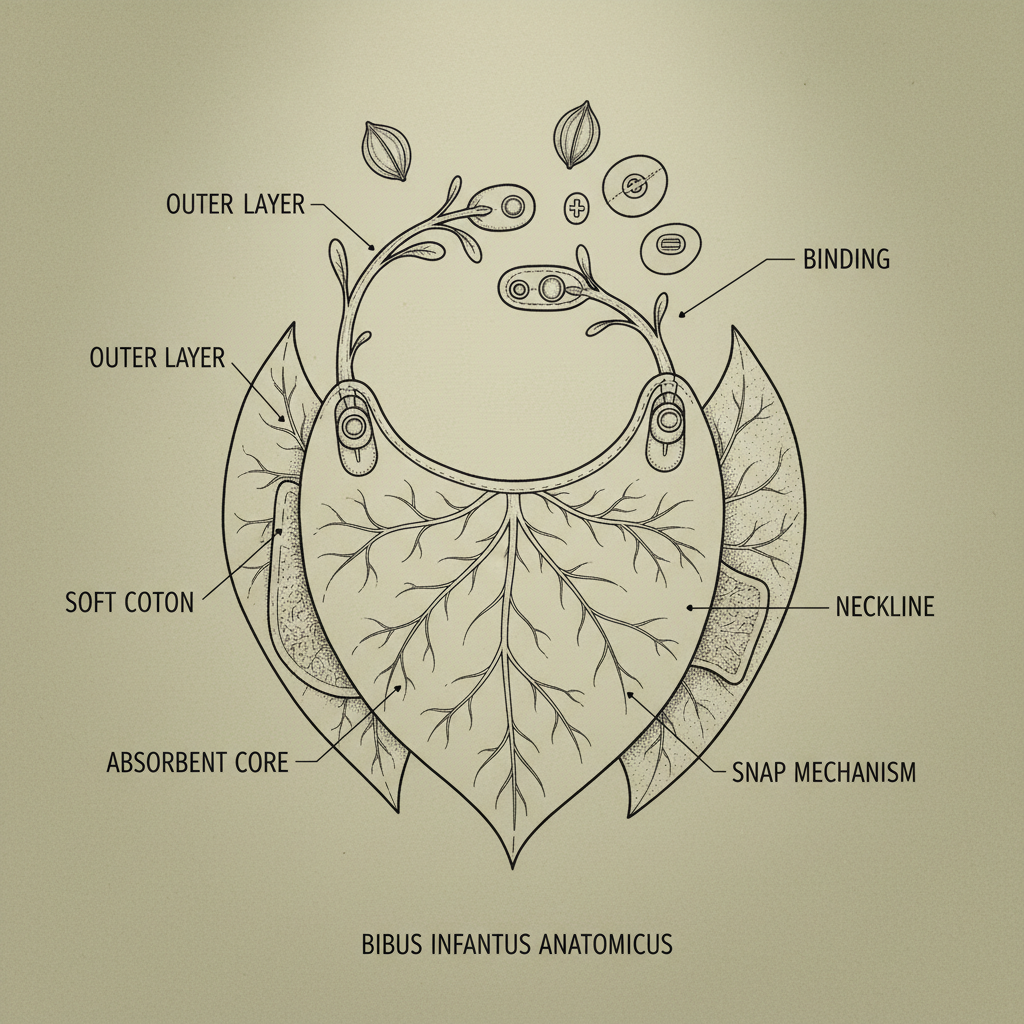
The humble baby glove, often overlooked, plays a crucial role in infant care and development. From preventing self-scratching injuries to offering a sense of security, these small garments have a significant impact on a baby's well-being. Understanding the nuances of baby glove design, materials, and functionality is paramount for parents and caregivers alike. The global market for baby products, including gloves, is substantial and continues to grow, driven by increasing awareness of child safety and comfort.
The demand for high-quality baby gloves is consistently high worldwide. According to recent market analyses, the infant wear sector represents a multi-billion dollar industry, and safety-focused items like gloves contribute significantly to its growth. The United Nations Sustainable Development Goals, particularly those relating to child health and well-being, indirectly support the need for products that prioritize infant protection. Furthermore, increasing disposable income in developing nations leads to a greater capacity for investment in premium baby care products, including gloves designed for optimal comfort and safety.
The design and production of effective baby gloves are becoming increasingly sophisticated. Manufacturers are focused on creating products that not only protect babies from scratches but also promote healthy skin development and are easy for parents to use and maintain. This has fueled innovation in materials, construction, and features, leading to a more diverse and functional range of baby gloves available to consumers.
The Importance of Baby Glove Design
Effective baby glove design centers around minimizing discomfort and maximizing protection. Ill-fitting gloves can restrict a baby’s natural hand movements, hindering their exploration and development. A well-designed glove will allow for a full range of motion while effectively preventing scratching. Proper sizing is critical, and manufacturers are increasingly offering gloves in various sizes to accommodate the rapid growth of infants.
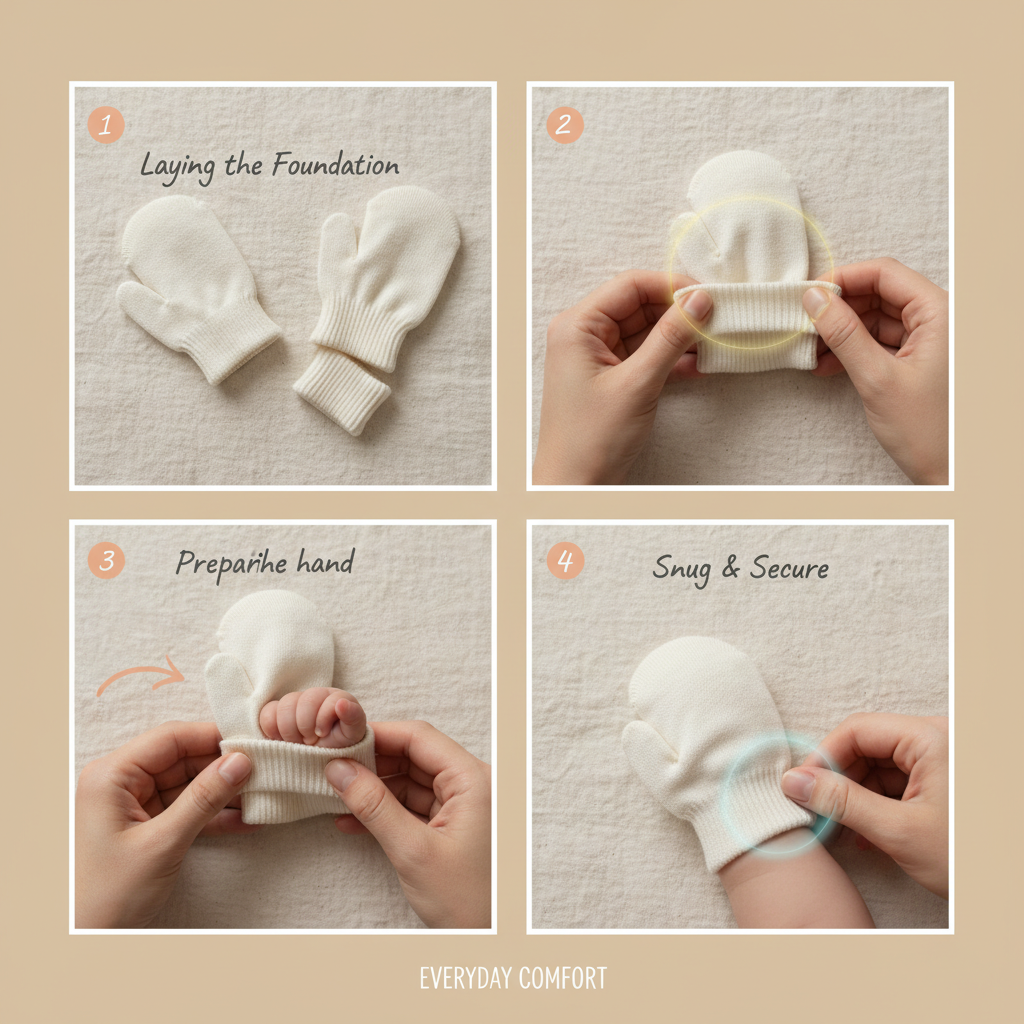
The shape of the baby glove is also crucial. Designs that closely mimic the natural shape of a baby’s hand provide a more comfortable and secure fit. Consideration is also given to ease of use for parents, with features like adjustable straps or closures ensuring a snug but not overly restrictive fit.
Materials Used in Baby Glove Production
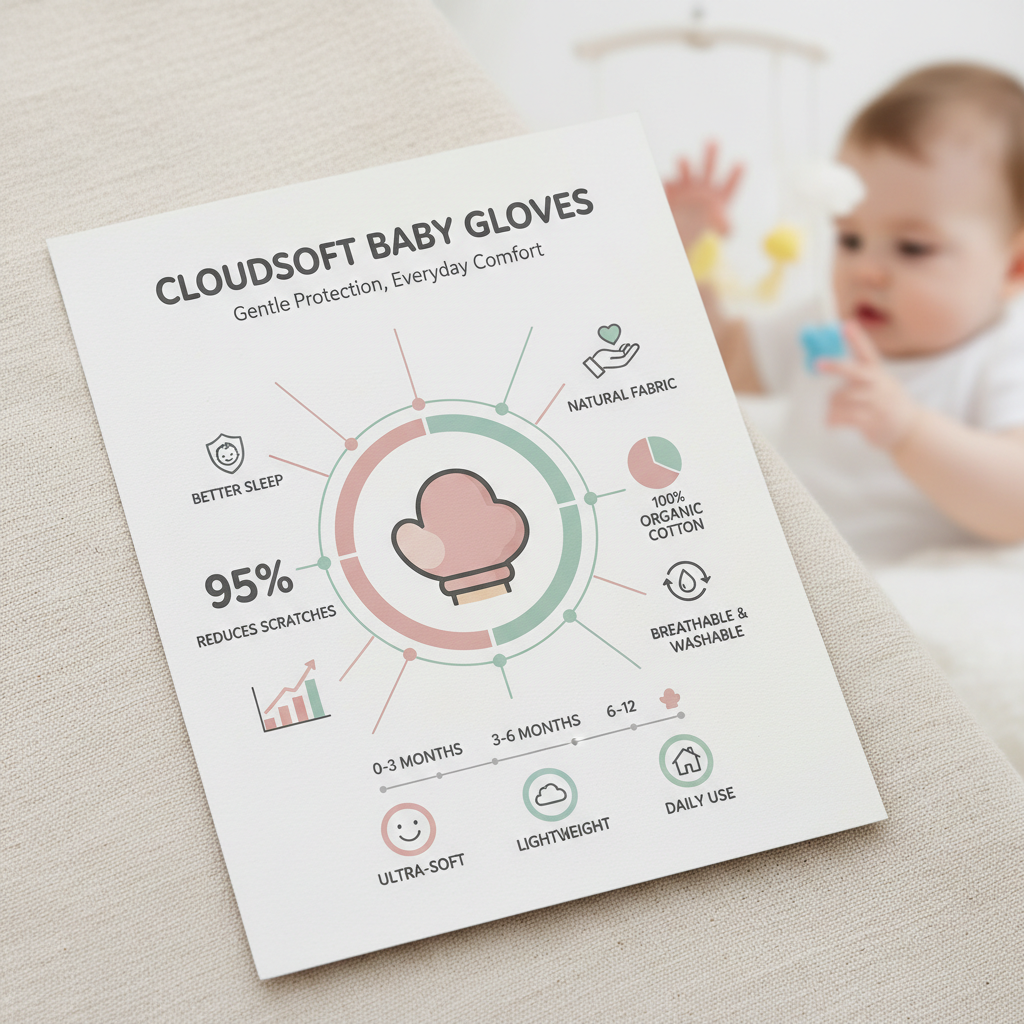
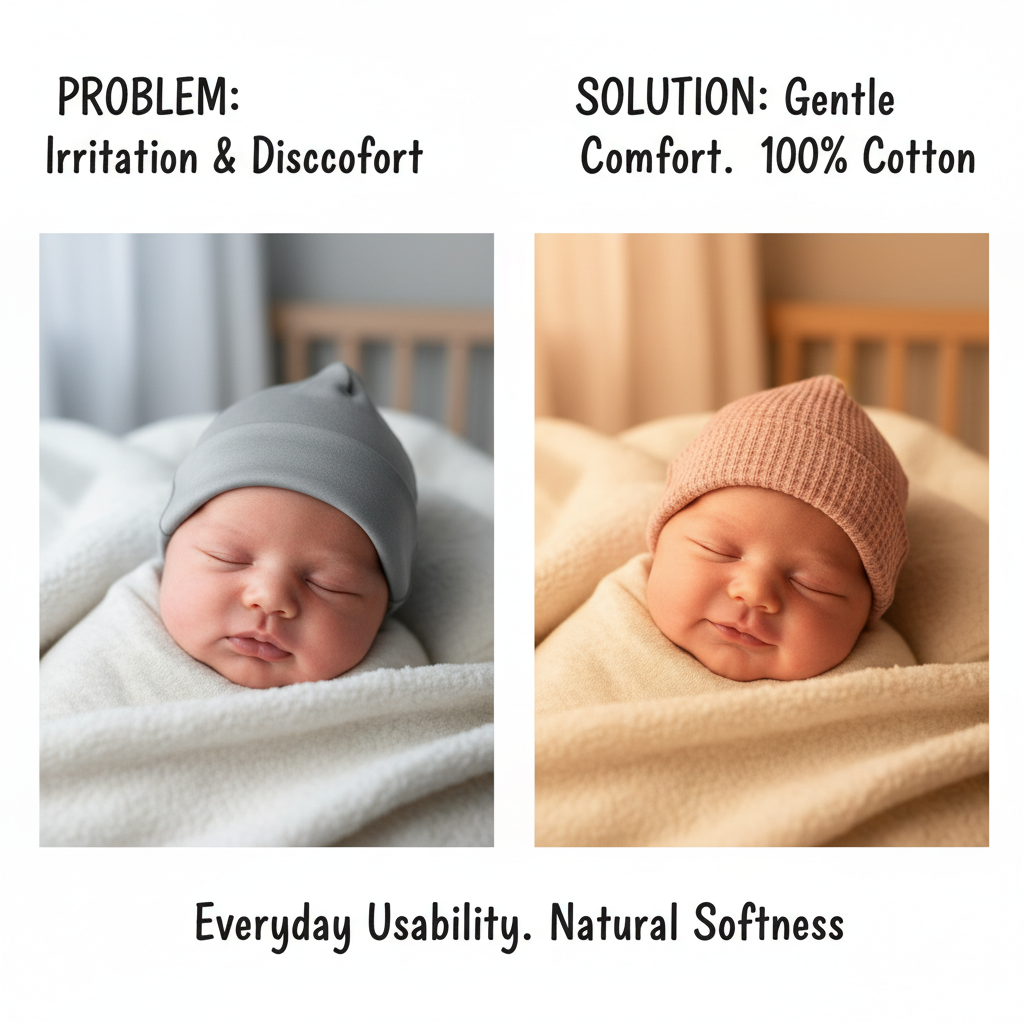
The materials used in baby glove production directly impact their comfort, safety, and durability. Cotton is a widely used material due to its softness, breathability, and hypoallergenic properties. However, cotton gloves may not be as durable as those made from synthetic fibers.
Synthetic materials like microfleece and polyester offer increased durability and are often more resistant to shrinking and fading. Bamboo fabrics are gaining popularity for their eco-friendliness and exceptional softness. It's important that all materials used are free from harmful chemicals and dyes, meeting stringent safety standards to protect the baby's sensitive skin.
Organic cotton is an increasingly popular choice for parents seeking environmentally friendly and hypoallergenic options. The demand for sustainable materials in baby products is driving innovation in textile manufacturing, and baby glove producers are responding with eco-conscious alternatives.
Key Features for Optimal Baby Glove Functionality
Several key features contribute to the optimal functionality of baby gloves. Adjustable closures, such as Velcro straps or elastic bands, allow for a customized fit, preventing the gloves from slipping off or being too tight. These closures also make it easier for parents to quickly put on and remove the gloves.
Breathable fabrics are essential to prevent overheating and skin irritation. Gloves with ventilation features, such as mesh panels, promote airflow and help keep the baby's hands cool and dry. Non-slip designs are also beneficial, providing a better grip and preventing the baby from accidentally dropping objects.
Anti-scratch cuffs, extending slightly beyond the wrist, offer additional protection against self-inflicted scratches and keep the gloves securely in place. The ability to machine wash and dry the gloves is also a practical consideration for busy parents, ensuring easy cleaning and maintenance.
Baby Glove Safety Standards & Compliance
Safety is paramount when it comes to baby gloves. Reputable manufacturers adhere to strict safety standards and regulations set by organizations like the Consumer Product Safety Commission (CPSC) in the United States and similar bodies in other countries. These standards address issues such as flammability, toxicity, and small parts that could pose a choking hazard.
Compliance with standards like OEKO-TEX Standard 100 ensures that the materials used are free from harmful substances. Manufacturers often undergo rigorous testing to verify the safety and durability of their products, providing parents with peace of mind.
Baby Glove Compliance Ratings (1-10)
Global Market Trends for Baby Gloves
The global market for baby gloves is experiencing consistent growth, driven by increasing parental awareness of child safety and comfort. The Asia-Pacific region is currently the largest market, due to its large population and rising disposable income.
North America and Europe represent significant markets with a strong focus on premium, organic, and sustainable baby products. The rise of e-commerce has also played a key role in expanding market reach, allowing manufacturers to connect directly with consumers worldwide.
Advantages of Using Quality Baby Gloves
Using high-quality baby gloves offers numerous advantages. Primarily, they prevent self-inflicted scratches, which can lead to skin irritation and potential infections. They also provide a sense of security for the baby, reducing fussiness and promoting better sleep.
Beyond physical protection, quality baby gloves contribute to a baby's overall well-being by ensuring comfort and promoting healthy skin development. Parents benefit from the peace of mind knowing their baby is protected from accidental scratches and irritations.
Future Innovations in Baby Glove Technology
Future innovations in baby glove technology are likely to focus on incorporating smart features. Sensors embedded in the gloves could monitor a baby’s skin temperature and oxygen levels, providing valuable health data to parents.
The development of self-cleaning materials and antimicrobial fabrics is also anticipated, further enhancing hygiene and convenience. Moreover, research into bio-based and biodegradable materials will contribute to more sustainable and environmentally friendly baby products.
Summary of Future Baby Glove Developments
| Innovation Area |
Technology Description |
Potential Benefits |
Development Timeline |
| Smart Sensors |
Integration of sensors to monitor skin temperature, oxygen levels, and movement. |
Early detection of health issues, improved parental monitoring. |
5-10 years |
| Self-Cleaning Fabrics |
Materials with self-cleaning properties to reduce washing frequency. |
Convenience, reduced water consumption, extended product lifespan. |
3-7 years |
| Antimicrobial Coatings |
Application of antimicrobial coatings to prevent bacterial growth. |
Improved hygiene, reduced risk of skin infections. |
2-5 years |
| Biodegradable Materials |
Use of bio-based and biodegradable materials in glove construction. |
Reduced environmental impact, sustainable product lifecycle. |
5-10 years |
| Adaptive Fit Technology |
Gloves that automatically adjust to a baby's hand size as they grow. |
Optimal fit throughout infancy, reduced waste. |
7-12 years |
| Enhanced Breathability |
Advanced breathable fabrics and ventilation designs for improved airflow. |
Increased comfort, reduced risk of skin irritation. |
1-3 years |
FAQS
Generally, babies benefit from wearing gloves from birth until around 6 months of age, or until they gain better control of their hand movements and are less prone to scratching themselves. The goal is to protect their delicate skin from accidental self-inflicted injuries.
Baby gloves can be hygienic if washed frequently. Because they protect hands, they can also trap dirt and bacteria. It’s recommended to wash them after each use or at least daily with a mild, baby-safe detergent. Ensure they are thoroughly dried to prevent mildew.
Soft, breathable materials like 100% cotton, organic cotton, or bamboo are often the best choices for baby gloves. These materials are gentle on sensitive skin and help prevent overheating. Look for gloves free from harmful dyes and chemicals.
The gloves should fit snugly but not tightly, allowing for a full range of motion. Ensure the cuff isn’t constricting circulation. If the gloves are too loose, they may fall off. Adjustable closures like Velcro can help achieve a more customized fit.
Prolonged and constant glove use could potentially limit a baby’s exploration of textures and sensory experiences. However, short-term use to prevent scratching is generally not harmful. Once the baby begins to explore more actively, gradually reduce glove usage to encourage sensory development.
When purchasing organic baby gloves, look for certifications like GOTS (Global Organic Textile Standard) to ensure the cotton is grown and processed according to strict environmental and social criteria. Also, check for OEKO-TEX Standard 100 certification to guarantee the absence of harmful substances.
Conclusion
In conclusion, the seemingly simple baby glove is a vital component of infant care, offering protection, comfort, and peace of mind for both babies and parents. From material selection and design features to safety standards and future innovations, a wealth of considerations go into creating effective and reliable gloves. Understanding these factors is crucial for making informed choices and ensuring the well-being of our youngest generation.
Looking ahead, continued innovation in materials and technology promises even more sophisticated and beneficial baby gloves. By embracing sustainability, prioritizing safety, and incorporating user-friendly designs, we can elevate this essential product to meet the evolving needs of modern families. For quality baby gloves and more, visit our website today!