The humble baby beanie hat is more than just a cute accessory; it’s a fundamental element of infant care, providing crucial protection against the elements. From chilly winter winds to harsh summer sun, a well-chosen beanie safeguards a baby’s delicate head, which is particularly vulnerable to temperature fluctuations. Understanding the nuances of baby beanie hat construction, materials, and appropriate use is paramount for parents and caregivers worldwide.
Globally, the demand for baby beanie hats is consistently high, driven by birth rates and a growing awareness of infant health and safety. The market is vast, encompassing a wide range of styles, materials (from organic cotton to synthetic blends), and price points. According to market research, the global baby apparel market, including headwear, is projected to continue its growth trajectory, fueled by increasing disposable incomes in developing nations and a rising focus on baby comfort and wellbeing.
A baby beanie hat serves a vital purpose – regulating body temperature and preventing heat loss through the head. It's a deceptively simple item with a significant impact on a baby’s comfort and health, particularly in the first few months of life. Choosing the right beanie, considering factors like material breathability and fit, is essential for ensuring a baby remains cozy and protected without overheating.
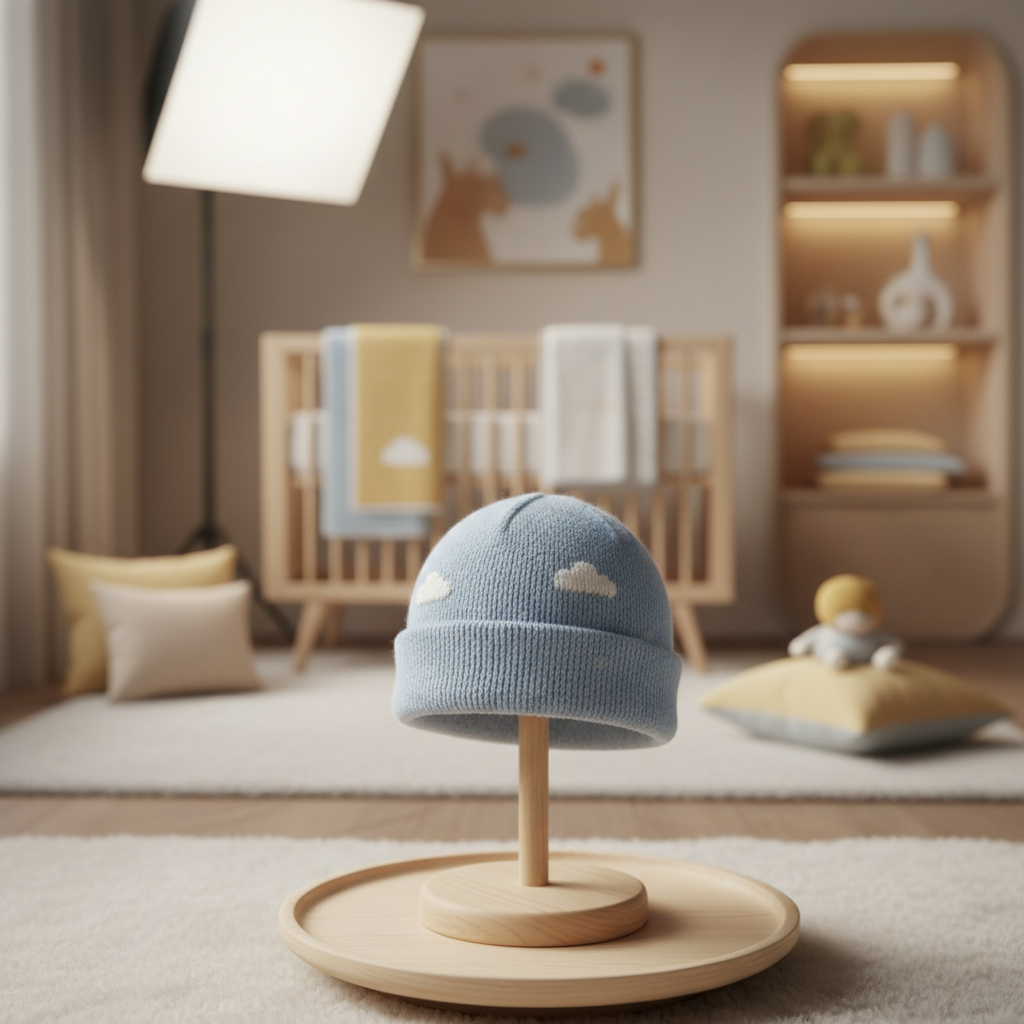
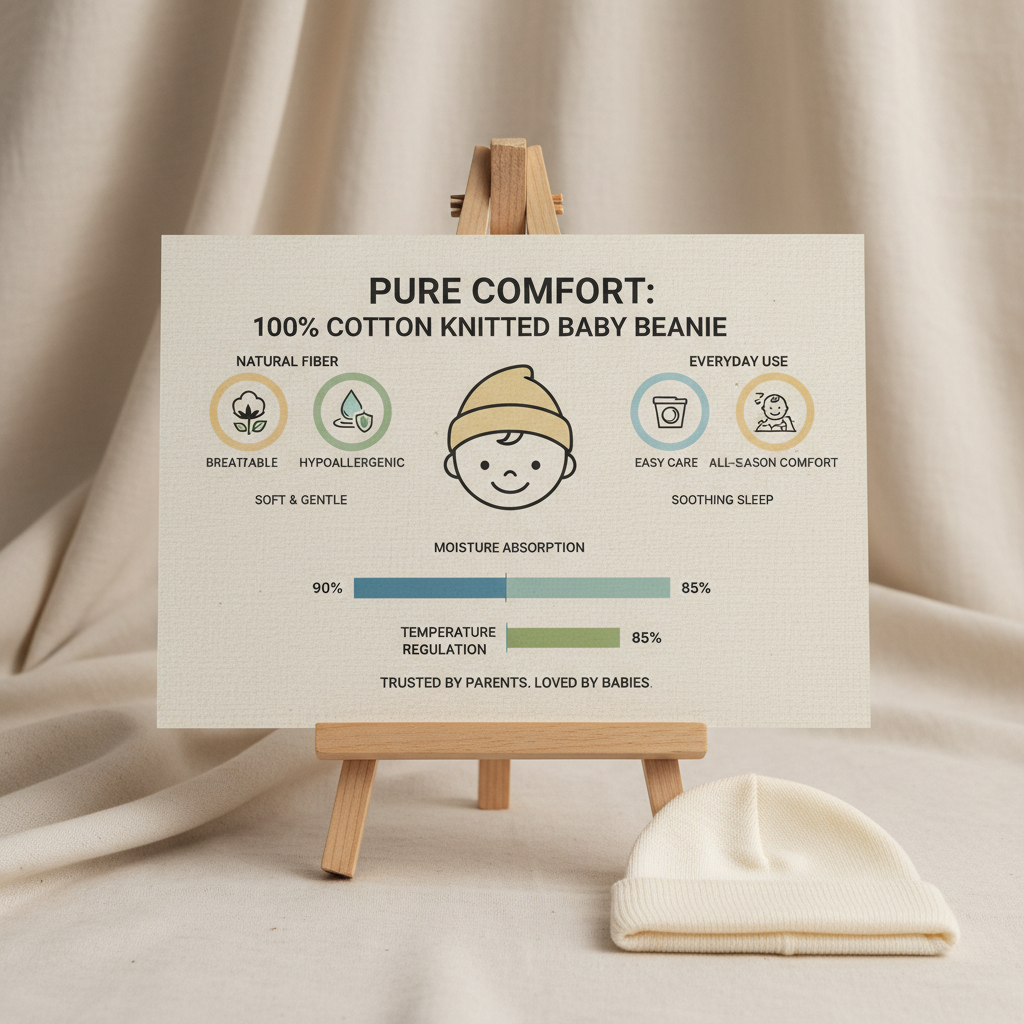
The material composition of a baby beanie hat significantly impacts its comfort, safety, and functionality. Natural fibers like organic cotton are highly favored for their softness, breathability, and hypoallergenic properties. These materials minimize the risk of skin irritation, which is crucial for sensitive baby skin.
Conversely, synthetic materials like acrylic or polyester are often more affordable and durable, but may lack the same breathability. When selecting a beanie made from synthetic fibers, it’s essential to ensure it’s free from harmful chemicals and dyes, and that it's adequately ventilated to prevent overheating.
Organic cotton is widely regarded as the best material for babies with sensitive skin. It’s incredibly soft, breathable, and hypoallergenic, minimizing the risk of irritation. Bamboo is another excellent option, known for its silky texture and moisture-wicking properties. Avoid synthetic materials like acrylic if your baby has sensitive skin, as they can cause irritation. Always look for beanies labeled as hypoallergenic and free from harsh dyes or chemicals.
The frequency of washing a baby beanie hat depends on how often it’s worn. Generally, washing after 2-3 wears is sufficient. If the beanie gets soiled or has been worn during vigorous activity, wash it immediately. Always follow the care instructions on the label to avoid damaging the fabric. Delicate materials like wool may require hand washing or a gentle cycle.
It’s generally not recommended for babies to sleep with a beanie hat on, especially for newborns. Overheating is a significant risk factor for SIDS (Sudden Infant Death Syndrome). Babies regulate their body temperature through their heads, and a hat can trap heat. Only use a beanie during sleep if your baby is premature or has difficulty maintaining body temperature, and always consult with your pediatrician.
The most accurate way to determine the right size is to measure your baby’s head circumference with a soft measuring tape. Most manufacturers provide size charts based on head measurements. The beanie should fit snugly but not too tightly, covering the ears and forehead comfortably. A little elasticity in the material can allow for a more comfortable and adjustable fit.
When choosing a baby beanie hat for sun protection, look for materials with a high UPF (Ultraviolet Protection Factor) rating. Wide-brimmed beanies that shade the face, ears, and neck are ideal. Darker colors generally offer better protection than lighter ones. Remember that even with a hat, it’s still important to apply sunscreen to exposed skin.
Always check for loose strings, ribbons, or embellishments that could come off and pose a choking hazard. Ensure any attachments are securely fastened. Choose beanies made from non-toxic materials and avoid those with small parts that could be swallowed. Regularly inspect the beanie for wear and tear and discard it if any components become loose or damaged.
In conclusion, the baby beanie hat is a deceptively simple yet incredibly important item for infant care. From selecting the right materials and ensuring a proper fit to understanding seasonal considerations and prioritizing safety, every detail matters. By making informed choices, parents and caregivers can ensure their little ones stay warm, comfortable, and protected.
Looking ahead, continued innovation in materials and design will further enhance the functionality and sustainability of baby beanies. Investing in high-quality, ethically sourced beanies is not only beneficial for the baby’s wellbeing but also supports responsible manufacturing practices. Visit our website at www.sthometextile.com to explore our collection of safe, comfortable, and stylish baby beanies!