The humble infant beanie hat is more than just a cute accessory; it’s a vital component of infant care, offering crucial protection against the elements and contributing to overall well-being. Globally, the demand for safe, comfortable, and stylish infant beanies is consistently high, driven by parental concerns for their child’s health and comfort. Understanding the nuances of infant beanie hat design, materials, and safety standards is paramount for manufacturers, retailers, and ultimately, parents.
The infant beanie hat market is a significant sector within the broader baby apparel industry. Factors like fluctuating weather patterns, increasing awareness of sun protection for infants, and the ever-evolving fashion landscape drive demand. The industry is responding with innovations in materials – from organic cottons to advanced thermal fabrics – and designs. Ensuring ethical production and minimizing environmental impact are increasingly important considerations for brands catering to this market.
This comprehensive guide explores the key aspects of infant beanie hats, from their fundamental features to future trends and potential challenges. By delving into the details, we aim to provide a valuable resource for anyone involved in the lifecycle of these essential baby items, offering insights to enhance product development, promote safe practices, and ultimately contribute to a healthier, more comfortable start for infants worldwide.
The Importance of Material Selection in Infant Beanie Hats
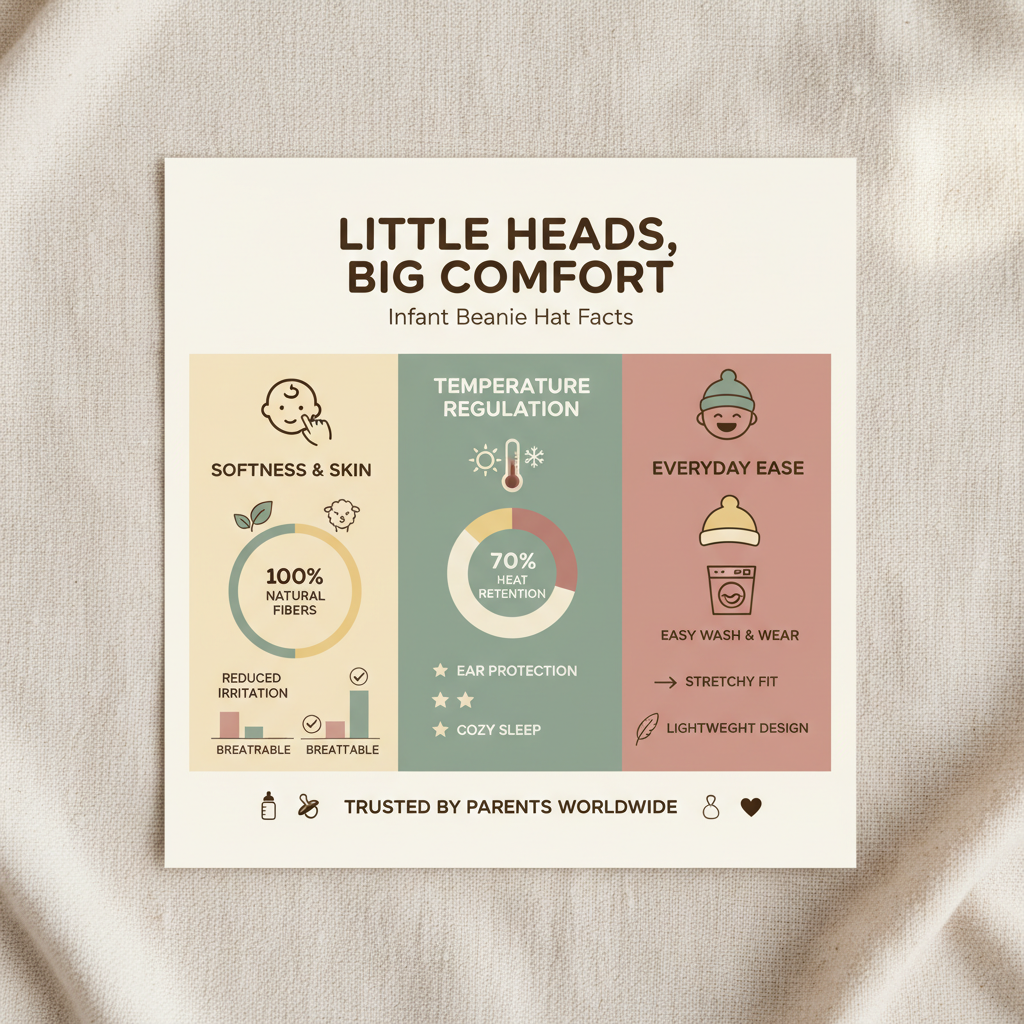
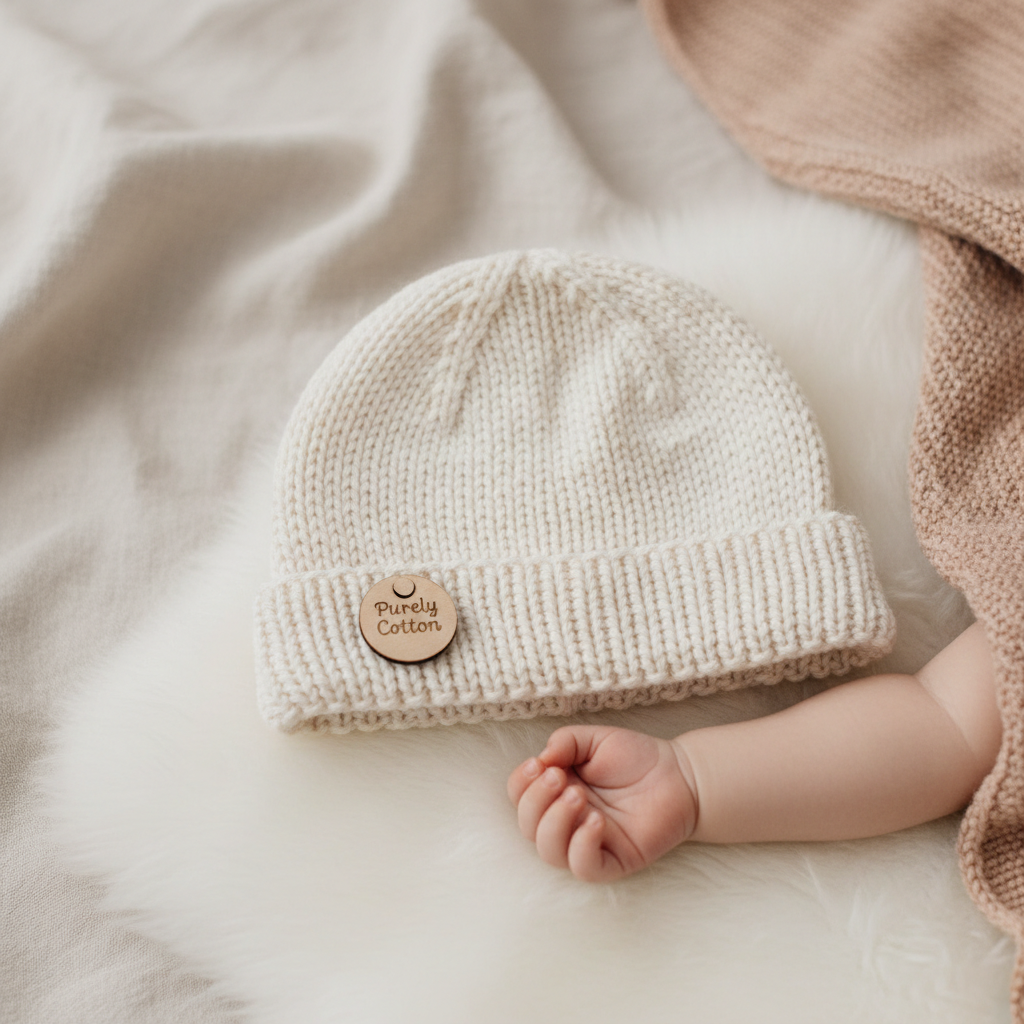
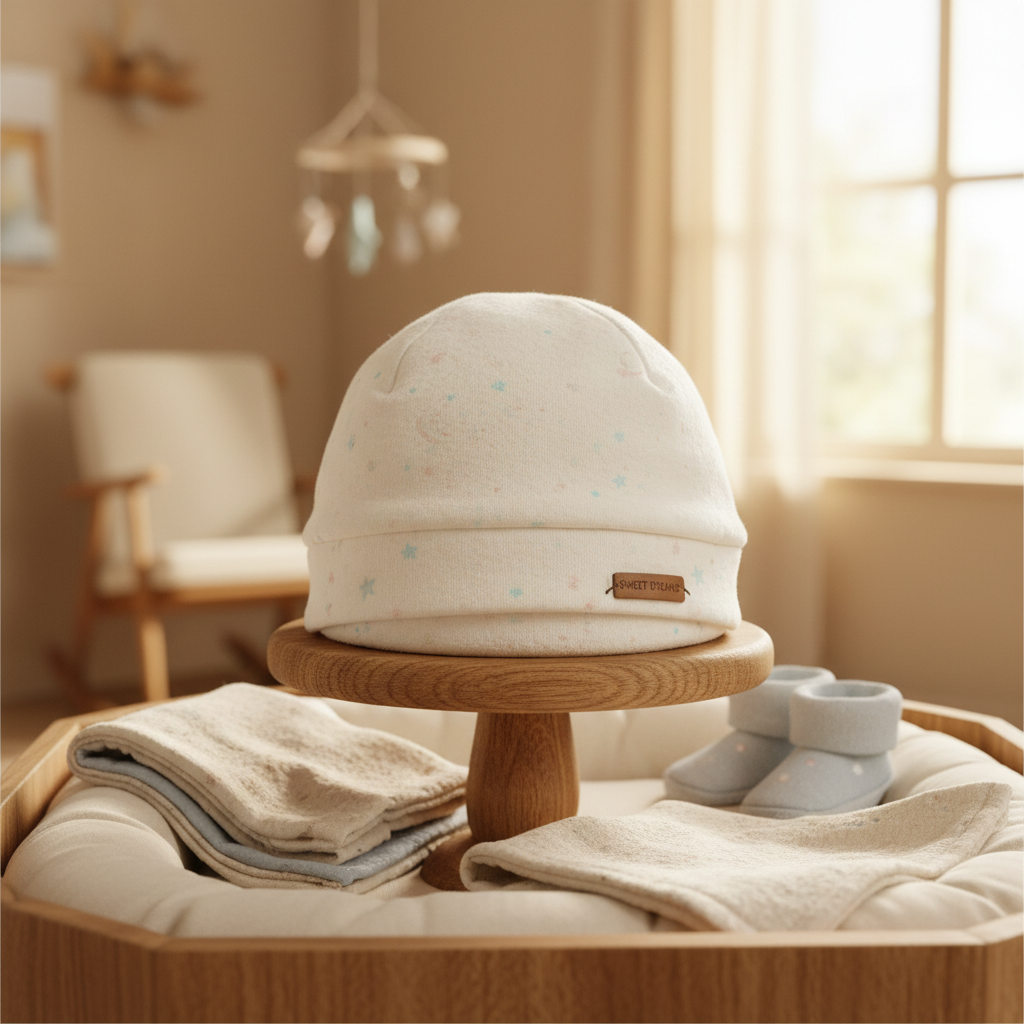
The choice of materials is arguably the most critical aspect of infant beanie hat production. An infant's skin is incredibly delicate and sensitive, demanding fabrics that are soft, breathable, and hypoallergenic. Materials like organic cotton, merino wool, and bamboo are frequently preferred due to their gentle nature and ability to regulate temperature.
Beyond comfort, material selection directly impacts the hat’s performance. Consider the climate; a lightweight cotton beanie is ideal for warmer weather, while a thicker merino wool blend offers superior warmth in colder climates. Furthermore, materials should be durable enough to withstand frequent washing and wear, while remaining gentle on the baby's skin.
Safety Standards and Regulations for Infant Beanies
Infant beanie hats, like all baby products, are subject to stringent safety standards and regulations designed to protect vulnerable infants. These regulations vary by region, but generally address aspects like flammability, choking hazards (related to small embellishments), and the presence of harmful chemicals. In the US, the Consumer Product Safety Improvement Act (CPSIA) plays a crucial role in ensuring product safety.
Manufacturers must adhere to these standards, conducting rigorous testing to verify compliance. Labels often indicate adherence to specific standards, providing parents with assurance. It’s crucial to purchase infant beanie hats from reputable brands that prioritize safety and transparency in their production processes.
Furthermore, it’s vital to regularly inspect beanies for any signs of wear and tear, such as loose threads or damaged seams, which could present a choking hazard. Proper care and maintenance are essential for maintaining the safety of the hat throughout its lifespan.
Understanding Infant Head Size and Fit
A proper fit is paramount when selecting an infant beanie hat. A hat that is too tight can be uncomfortable and potentially restrict circulation, while a hat that is too loose may slip off easily and not provide adequate warmth. Infant head sizes vary considerably, even within the same age group.
Manufacturers typically provide size charts based on head circumference. Measuring your baby's head accurately using a soft measuring tape is essential. It’s recommended to choose a size that allows for a snug, but not constricting, fit. Consider the baby's hair volume when determining the appropriate size – thicker hair may require a slightly larger beanie.
Look for beanies with some degree of stretch to accommodate growth and provide a comfortable fit over time. Avoid hats with internal seams that could irritate the baby’s delicate scalp. The beanie should cover the ears adequately for warmth, but not obstruct hearing.
Design Considerations for Optimal Comfort and Functionality
Beyond aesthetics, the design of an infant beanie hat should prioritize comfort and functionality. Seam placement is critical; flat seams minimize irritation against sensitive skin. Avoid designs with excessive embellishments that could pose a choking hazard.
Consider the overall shape and coverage. A classic beanie style provides full head coverage, while a cuffed beanie allows for adjustable fit. Some designs incorporate ties or straps to ensure a secure fit, especially for active infants.
Infant Beanie Hat Design Feature Ratings
Global Market Trends in Infant Beanie Hats
The global market for infant beanie hats is experiencing steady growth, driven by increasing birth rates in developing countries and a growing emphasis on infant health and fashion in developed nations. E-commerce platforms have significantly expanded market reach, allowing consumers worldwide to access a wider variety of styles and brands.
Trends indicate a rising demand for sustainable and ethically produced beanies, with consumers seeking eco-friendly materials and fair labor practices. Personalized beanies with custom designs or monograms are also gaining popularity, offering a unique and thoughtful gift option.
The Role of Sustainability in Infant Beanie Hat Production
Sustainability is becoming increasingly important in the textile industry, and infant beanie hat production is no exception. Utilizing organic cotton, recycled materials, and low-impact dyes minimizes the environmental footprint.
Ethical manufacturing practices, ensuring fair wages and safe working conditions for garment workers, are also crucial. Transparency in the supply chain – allowing consumers to trace the origin of materials and production processes – is gaining traction as a key differentiator.
Brands that prioritize sustainability are attracting environmentally conscious consumers and building a positive brand image. This commitment extends to packaging, utilizing recycled and biodegradable materials to further reduce waste.
Assessing the Durability and Longevity of Infant Beanie Hats
Given the rapid growth rate of infants, beanies undergo frequent washing and wear. Therefore, durability is a critical factor. High-quality materials and reinforced stitching contribute to a longer lifespan.
Proper care – following the manufacturer's washing instructions – is essential for maintaining the beanie’s shape, color, and overall integrity. Choosing beanies made from materials that resist pilling and fading ensures they retain their appearance even after repeated use.
A well-made infant beanie hat should withstand numerous washes and remain a functional and stylish accessory throughout the infant's early months.
Summary of Key Durability Factors in Infant Beanie Hats
| Material Quality |
Stitching Reinforcement |
Colorfastness Rating |
Pilling Resistance |
| Excellent (Organic Cotton) |
High (Double-Stitched Seams) |
9/10 |
Excellent |
| Good (Merino Wool Blend) |
Medium (Single-Stitched) |
7/10 |
Good |
| Fair (Synthetic Acrylic) |
Low (Basic Seams) |
5/10 |
Moderate |
| Excellent (Bamboo Fabric) |
High (Reinforced Stitching) |
8/10 |
Excellent |
| Good (Cotton Blend) |
Medium (Standard Seams) |
6/10 |
Good |
| Poor (Low-Quality Polyester) |
Low (Minimal Stitching) |
3/10 |
Poor |
FAQS
For infants with sensitive skin, organic cotton is generally the best choice. It's naturally hypoallergenic, incredibly soft, and breathable, minimizing the risk of irritation. Merino wool is also a good option as it's fine and less likely to cause itching, but ensure it’s sourced from reputable suppliers to avoid lanolin sensitivities. Avoid synthetic materials like acrylic which can trap moisture and irritate the skin.
An infant beanie hat should fit snugly, but not too tightly. It should cover the ears for warmth without constricting circulation. You should be able to comfortably slide two fingers between the hat and your baby’s head. A too-tight hat can be uncomfortable and potentially cause a ridge on the forehead, while a loose hat won’t provide adequate warmth.
Look for beanies that comply with safety standards like the CPSIA (Consumer Product Safety Improvement Act) in the US. Avoid hats with small parts like buttons or embellishments that could pose a choking hazard. Ensure the hat is made from non-toxic dyes and materials. Reputable brands will clearly state their compliance with relevant safety regulations.
You should wash an infant beanie hat after every few uses, or more frequently if it becomes soiled. Always follow the care instructions on the label. Gentle cycle with a mild detergent is generally recommended. Avoid harsh chemicals and fabric softeners, as these can irritate your baby’s skin.
Cotton beanies are breathable and ideal for warmer weather. Merino wool beanies offer superior warmth and temperature regulation, making them perfect for colder climates. Merino wool is also naturally odor-resistant and moisture-wicking. However, some babies may be sensitive to lanolin in wool, so organic cotton is a safer bet for those with very sensitive skin.
While beanies provide warmth, it’s important to avoid overheating. Choose a breathable material like cotton and adjust the beanie based on the temperature and your baby’s activity level. Regularly check your baby for signs of overheating, such as sweating, flushed skin, or rapid breathing. Remove the beanie if your baby seems too warm.
Conclusion
In conclusion, the infant beanie hat is a deceptively simple item with a significant role to play in infant comfort, safety, and well-being. From material selection and safety standards to fit and design, a multitude of factors contribute to a quality product. A commitment to sustainability and ethical production further enhances its value in today’s conscious consumer landscape.
By prioritizing these considerations, manufacturers and parents alike can ensure that this essential accessory provides optimal protection and comfort for infants, fostering healthy development and peace of mind. We encourage continued innovation in materials and design, driven by a commitment to both infant welfare and environmental responsibility. For a wide selection of high-quality infant beanies, visit our website: www.sthometextile.com