0%

Table of Contents

You know, I've been running around construction sites all year, dealing with dust and sweat, and honestly, it's been a bit of a whirlwind lately. Everyone's talking about miniaturization, modularity… everything has to be smaller, faster, more efficient. It's not just in electronics, it’s creeping into everything, even baby stuff. And that’s where the baby bandana bib comes in. It’s amazing how much thought goes into something seemingly simple.

Have you noticed how parents are constantly juggling everything? Work, life, a tiny human who makes a mess of everything? They need convenience, and they need it fast. A good baby bandana bib isn’t just about keeping drool off their clothes, it’s about saving a few precious minutes in a chaotic day. It's about that little bit of peace of mind. It sounds silly, but it really matters.

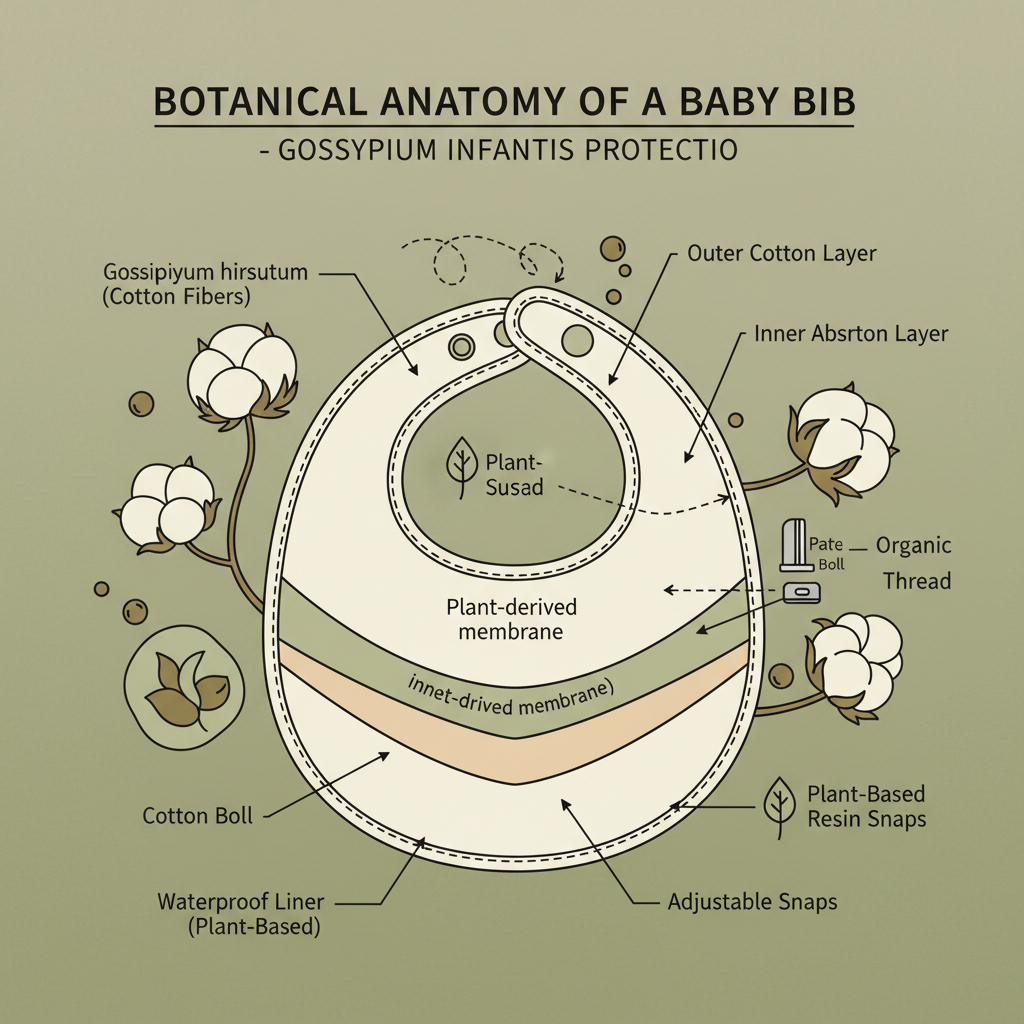
And honestly, people underestimate just how much engineering goes into a tiny piece of fabric. It’s not just slapping some cotton around a baby’s neck. It needs to be absorbent, soft, safe… and actually stay on. I’ve seen designs that look great on paper but just fall apart after a couple of washes, or irritate the baby's skin. It's a deceptively complex little product.
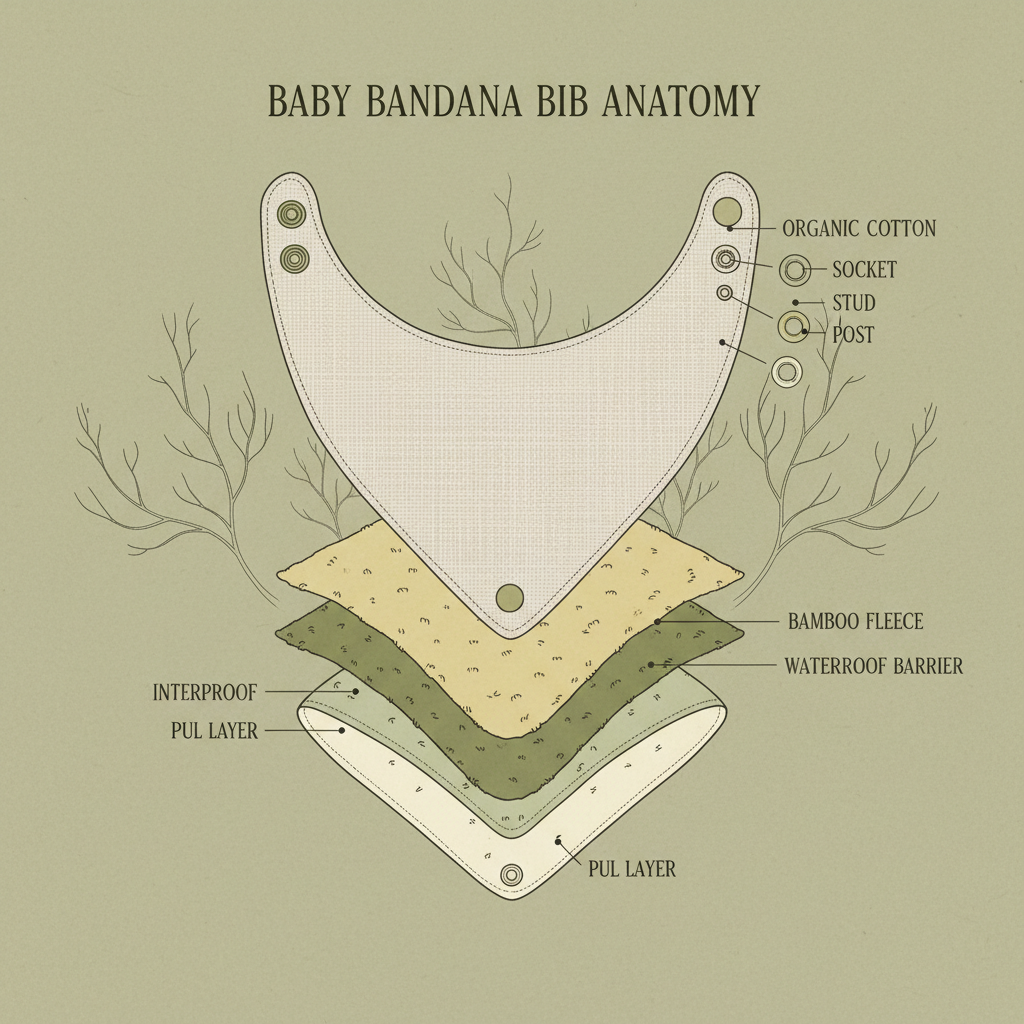
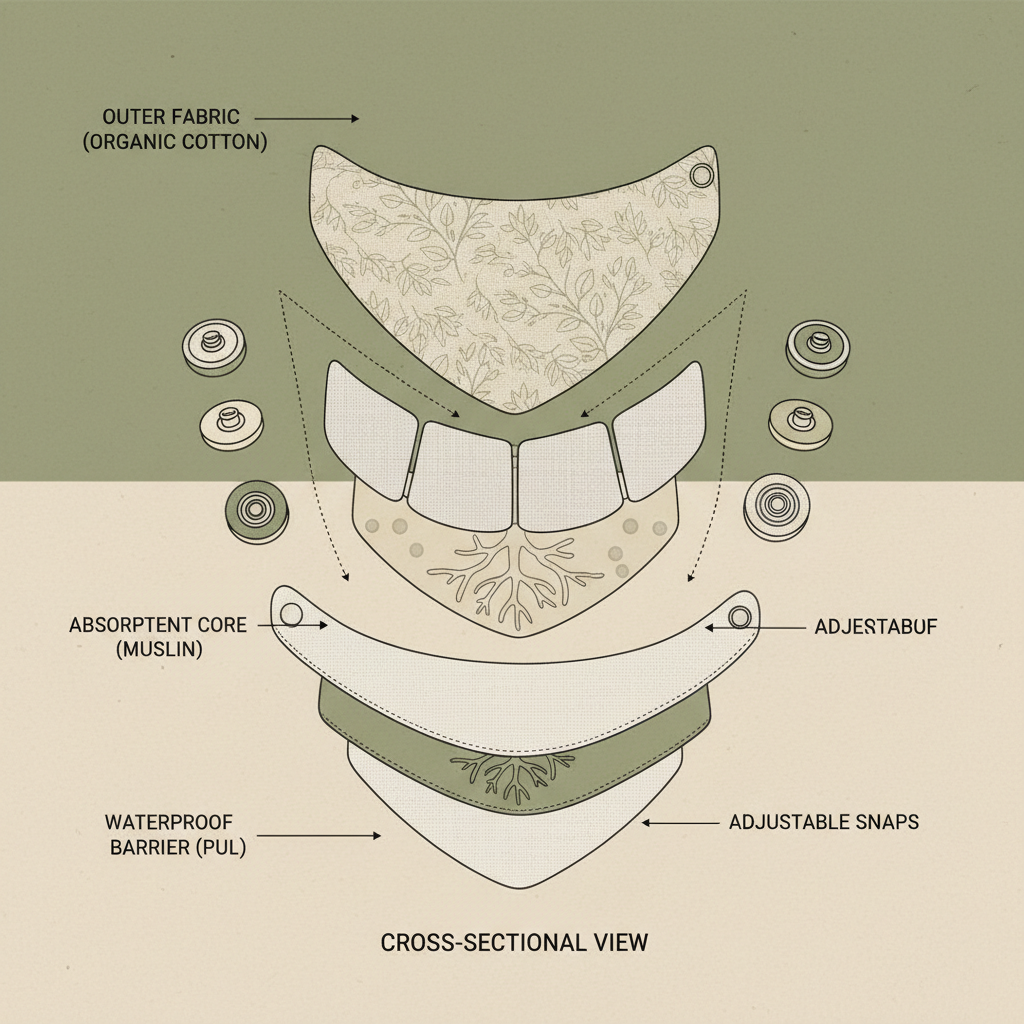
baby bandana bib

The Ever-Changing Landscape of Baby Bandana Bibs

baby bandana bib

To be honest, the demand for baby bandana bibs is constantly shifting. It’s not enough to just have a functional product anymore; it needs to be stylish, trendy, and often, match the parent’s aesthetic. We've seen a huge surge in organic cotton and sustainable materials, which is good, of course, but adds another layer of complexity to sourcing.

I encountered this at a textile factory in Zhejiang province last time. They were struggling to find suppliers who could consistently deliver organic cotton that met the necessary certifications. It’s a real headache, especially for smaller manufacturers. It's gotten so competitive, they're looking at everything from bamboo fabrics to recycled polyester blends.

Design Pitfalls: What Looks Good Isn't Always Good

Strangely, the biggest issue I see is designers prioritizing aesthetics over practicality. A beautiful bib with a complicated snap closure that a tired parent can’t operate with one hand? Fail. A design that looks cute but restricts the baby’s movement? Absolutely not. You’ve got to remember, this thing needs to withstand a lot of abuse – chewing, pulling, washing, and everything in between.

Another common mistake is underestimating the importance of the neck circumference. Too tight, and it’s uncomfortable. Too loose, and it slides right off. Finding that sweet spot is crucial. And don't even get me started on the placement of the snaps or Velcro – it has to be in a spot that doesn't irritate the baby's skin.

I’ve seen so many designs where they overthink the shape, adding unnecessary frills or details that just make it harder to clean or less durable. Keep it simple, keep it functional, and keep the baby comfortable. That’s the golden rule.

Material Matters: From Cotton to Microfiber and Beyond

Now, let's talk materials. Cotton is still king, especially organic cotton. It’s soft, absorbent, and breathable. But you have to be careful about the weave – a loose weave won’t hold up to repeated washing, and a tight weave can feel scratchy. I like a good jersey knit for its stretch and softness.

Microfiber is another popular choice, especially for its absorbency. It feels almost silky smooth, but it can sometimes trap odors if it’s not properly treated. And honestly, some of those cheaper microfiber fabrics feel…plasticky. You can smell the difference. I always recommend a higher GSM (grams per square meter) microfiber for better quality.

And don't underestimate the backing material. Some use fleece, some use flannel, some use a waterproof PUL layer. Each has its pros and cons. PUL is great for preventing leaks, but it's not very breathable. Fleece is soft and cozy, but it can pill over time. It really depends on the intended use.

Real-World Testing: Beyond the Lab

Forget those sterile lab tests. The real test of a baby bandana bib is in the trenches. I mean, give it to a real baby, let them drool on it, throw it on the floor, rub it in dirt… that’s how you know if it's going to work.

Baby Bandana Bib Performance Metrics


How Parents Actually Use Baby Bandana Bibs

Anyway, I think what surprises a lot of people is how parents actually use these things. It's not always just for drool. They use them as a makeshift burp cloth, a way to protect clothes during feeding, and even as a little comfort item for the baby.

I've seen parents tie them around teething toys to catch the drool, or use them as a little fashion accessory to match the baby's outfit. They’re versatile, and parents are creative. That’s why a good design needs to be adaptable.

Advantages and Disadvantages: The Honest Truth

Look, a good baby bandana bib is a lifesaver. It saves laundry, it keeps the baby comfortable, and it looks cute. But they're not perfect. Some of the cheaper ones fade quickly, or the snaps break after a few washes. And let’s be real, a bib can only do so much. If the baby is actively vomiting, you’re going to need a bigger solution.

The biggest advantage is convenience, without a doubt. And for parents who are trying to minimize their environmental impact, organic cotton options are a big win. But the price point can be a barrier. Good quality bibs aren’t cheap, and parents are often on a tight budget.

Customization Options and a Shenzhen Story

Customization is huge. Parents love being able to personalize things for their babies. We’ve done everything from adding embroidered names to printing custom designs. Last month, that small boss in Shenzhen who makes smart home devices insisted on changing the interface to , and the result was a whole production run of bibs with USB-C ports sewn onto them - a total waste of money, but he was convinced it was the future.

You can also customize the shape, the size, the materials, and the closures. I've even seen requests for bibs with built-in teether rings. People are always looking for ways to make things more convenient and functional.

Key Features Comparison

Material Absorbency Durability Price (USD)
Organic Cotton 8/10 7/10 4-7
Microfiber 9/10 6/10 2-5
Bamboo Fabric 7/10 8/10 3-6
Waterproof PUL 4/10 9/10 5-8
Polyester Blend 6/10 7/10 1-4
Recycled Materials 7/10 6/10 3-7

FAQS

What's the best material for a baby bandana bib for sensitive skin?

For sensitive skin, organic cotton is your best bet. It’s naturally hypoallergenic and incredibly soft. You want to avoid anything with harsh dyes or chemicals, and look for certifications like GOTS (Global Organic Textile Standard) to ensure it’s truly organic. Microfiber can be okay, but some babies react to the synthetic fibers, so it's best to test a small area first. Remember, every baby is different, so what works for one might not work for another.

How often should I wash a baby bandana bib?

Honestly? After every use. Babies are messy! Drool, spit-up, food… it all ends up on that bib. I'd recommend washing them daily, even if they don’t look dirty. Use a mild, fragrance-free detergent and avoid fabric softeners, as they can irritate the baby's skin. And make sure to check the care label for specific washing instructions. Some materials might require a gentle cycle or air drying.

Are baby bandana bibs a choking hazard?

It's a valid concern. The main risk comes from loose snaps or Velcro. Always check the bib before each use to make sure everything is securely attached. Avoid bibs with small, detachable parts. Look for designs that have concealed snaps or tie closures. And, of course, never leave a baby unattended with a bib on. Common sense goes a long way here.

How can I tell if a bib is truly waterproof?

A truly waterproof bib will have a PUL (polyurethane laminate) layer. It feels a bit plasticky to the touch. You can test it by dripping a little water on the bib – if it beads up and doesn’t soak through, it’s waterproof. Be careful, though, even waterproof bibs aren't completely foolproof. They can leak if they're heavily saturated or if the seams aren't sealed properly.

What's the difference between a bib and a bandana bib?

Good question! Traditional bibs usually cover a larger area of the chest and are designed to catch more substantial messes, like food. Bandana bibs, on the other hand, are smaller and more stylish, primarily intended to absorb drool and protect clothing from minor spills. They're often made from softer materials and are designed to look like a fashionable accessory.

Can I bleach a baby bandana bib to get rid of stains?

Generally, no. Bleach can be harsh on fabrics and can leave residue that irritates a baby's skin. It’s best to stick to gentle detergents and stain removers specifically designed for baby clothes. For stubborn stains, you can try soaking the bib in a solution of baking soda and water. And honestly, sometimes a little bit of fading is inevitable – it just shows the bib is getting used!

Conclusion

So, after all this rambling, what’s the takeaway? A baby bandana bib is more than just a piece of fabric. It's a little bit of convenience, a little bit of style, and a whole lot of practicality for busy parents. Getting the materials right, designing for real-world use, and focusing on safety are all crucial.

Ultimately, whether this thing works or not, the worker will know the moment he tightens the screw. And in this case, that “screw” is the snap on the bib, and the “worker” is the parent who’s desperately trying to keep their baby clean and comfortable. If it’s easy to use, durable, and keeps the drool at bay, then it’s a win. And honestly, that's all that really matters.

David Miller

David Miller

David Miller serves as the Head of International Sales at Suntex, bringing over 15 years of experience in the textile export industry. He's instrumental in expanding Suntex's reach into new markets, particularly in Europe and North America. David specializes in building strong client relationships and understanding the unique needs of
Previous The Ultimate Guide to Choosing the Best 100 Cotton Baby Bib
Next baby bib
SUNTEX
fin
Copyright © 2026 Suntex Import & Export Trading Co., Ltd. All Rights Reserved. Sitemap | Privacy Policy | Top Blog | Global Service | Hot Products