Investing in a high-quality cotton waterproof mattress cover is more than just a purchase for bedding; it is a strategic decision for long-term mattress hygiene and sleep quality. In an era where home wellness is prioritized, the integration of natural cotton comfort with advanced waterproof barriers ensures that your sleeping environment remains pristine, free from allergens, and protected from accidental spills.
Globally, the demand for specialized bedding has surged as consumers move away from purely synthetic options toward hybrid materials that offer both functionality and breathability. A cotton waterproof mattress cover solves the age-old conflict between protection and comfort, preventing the "plastic feel" often associated with traditional waterproof sheets while maintaining a rigorous barrier against liquids.
Understanding the nuances of these covers—from the GSM of the cotton Terry cloth to the permeability of the TPU membrane—allows homeowners, hotel managers, and healthcare providers to optimize their textile investments. This guide explores the industrial standards and practical benefits of incorporating these essential protectors into modern bedding systems.
Global Industry Context of Cotton Waterproof Mattress Covers
The global home textile market has seen a significant shift toward functional bedding, with the cotton waterproof mattress cover becoming a staple in both residential and commercial sectors. According to international textile standards and market trends, the move toward "healthy sleep" has driven the adoption of breathable, waterproof barriers that comply with OEKO-TEX certifications, ensuring that no harmful chemicals are used in the waterproofing process.
This growth is largely driven by the increasing awareness of mattress longevity. Because mattresses are expensive capital investments for hotels and households, the industry has focused on preventing liquid penetration, which is the primary cause of mold and mildew growth. By utilizing a cotton-blend surface, manufacturers can provide the tactile softness required by luxury markets while maintaining the industrial-grade protection necessary for high-turnover environments.
Defining the Engineering of Cotton Waterproof Mattress Covers
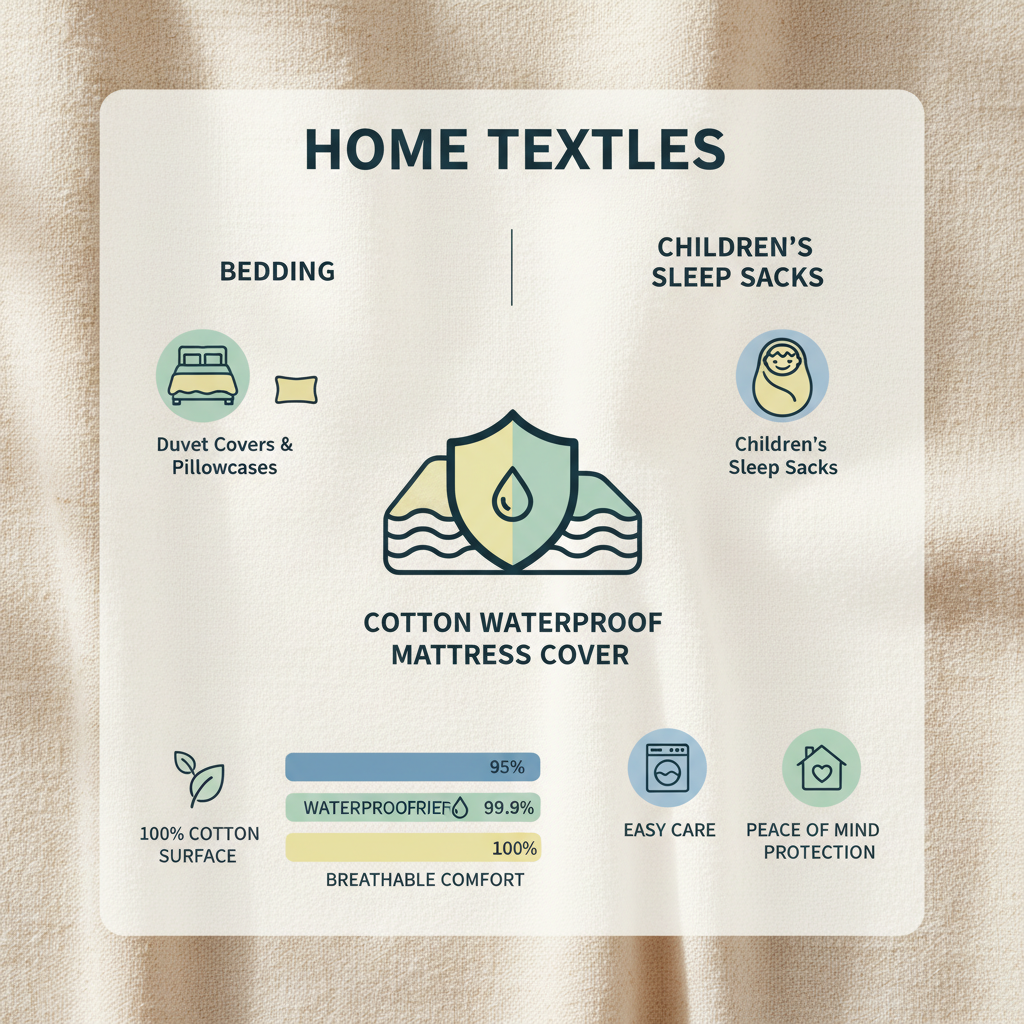
A cotton waterproof mattress cover is a specialized textile product consisting of a dual-layer architecture. The top layer is typically crafted from high-grade cotton or a cotton-polyester blend, often in a Terry or quilted knit, which provides absorbency and comfort. This layer ensures that the user does not feel the synthetic membrane underneath, maintaining a natural skin-feel and preventing heat buildup during the night.
Beneath the cotton surface lies a thin, microporous membrane—usually made of Thermoplastic Polyurethane (TPU). This membrane is engineered to be waterproof yet breathable. It allows air molecules to pass through, preventing the "sweaty" feeling of traditional plastic covers, while blocking larger liquid molecules from penetrating into the mattress foam or springs.
From a humanitarian and healthcare perspective, these covers are critical. In hospitals and elder-care facilities, the ability to maintain a sterile, waterproof barrier without sacrificing the comfort of the patient is essential for preventing pressure sores and maintaining dignity, making the cotton waterproof mattress cover an indispensable tool in medical bedding.
Core Components for Maximum Durability
The efficacy of a cotton waterproof mattress cover depends heavily on the quality of its cotton face. Higher GSM (grams per square meter) cotton provides better cushioning and absorption, which is crucial for managing small spills before they even reach the waterproof membrane, thereby reducing the frequency of deep cleaning.
The bonding process between the cotton layer and the TPU membrane is the second critical component. Using advanced heat-lamination techniques ensures that the layers do not delaminate after multiple washes. A well-bonded cotton waterproof mattress cover will maintain its structural integrity and waterproof capabilities even after rigorous industrial laundering cycles.
Finally, the fitting mechanism—whether it be a fitted sheet style with elastic skirts or a full-zip enclosure—determines the scalability of the protection. For adult bedding items and hotel textiles, a deep-pocket fitted design is preferred for ease of installation, while full-encasements provide a total shield against bed bugs and dust mites.
Comparative Performance Analysis of Material Types
When analyzing different variations of the cotton waterproof mattress cover, the industry typically measures performance based on breathability, water resistance, and noise levels. Synthetic PVC covers are waterproof but noisy and hot, whereas the TPU-cotton hybrid offers a silent, cool alternative that mimics the feel of a standard bed sheet.
The following data illustrates how various construction methods for these covers score across key performance indicators. While all are waterproof, the "Cotton Terry" and "Quilted Cotton" options lead in comfort and user experience, making them the preferred choice for luxury hotel textiles and baby bedding items.
Performance Ratings of Cotton Waterproof Mattress Cover Variations
Global Applications Across Diverse Sectors
The application of the cotton waterproof mattress cover extends far beyond the master bedroom. In the hospitality industry, specifically for hotel textiles, these covers are essential for protecting assets from the varied needs of thousands of guests. They ensure that mattresses remain sanitary and free from odors, significantly extending the replacement cycle of hotel bedding.
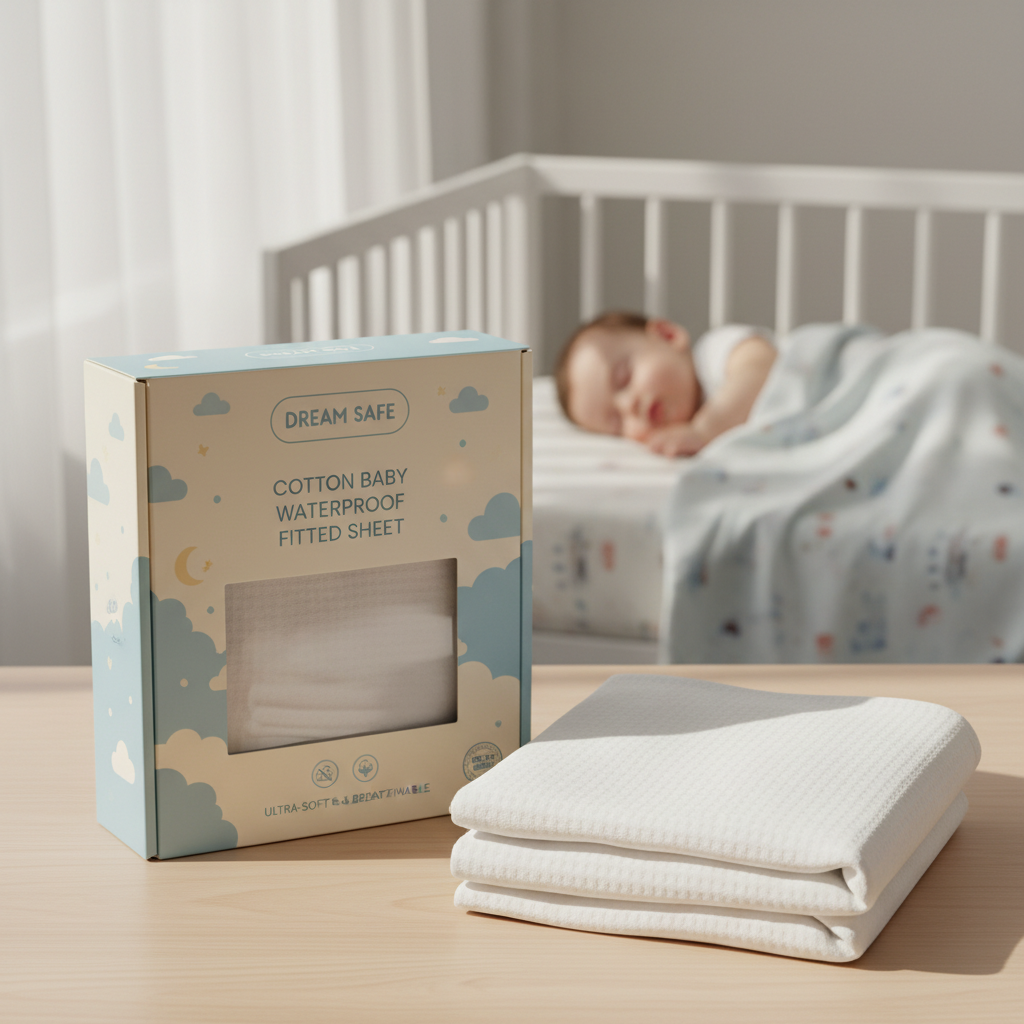
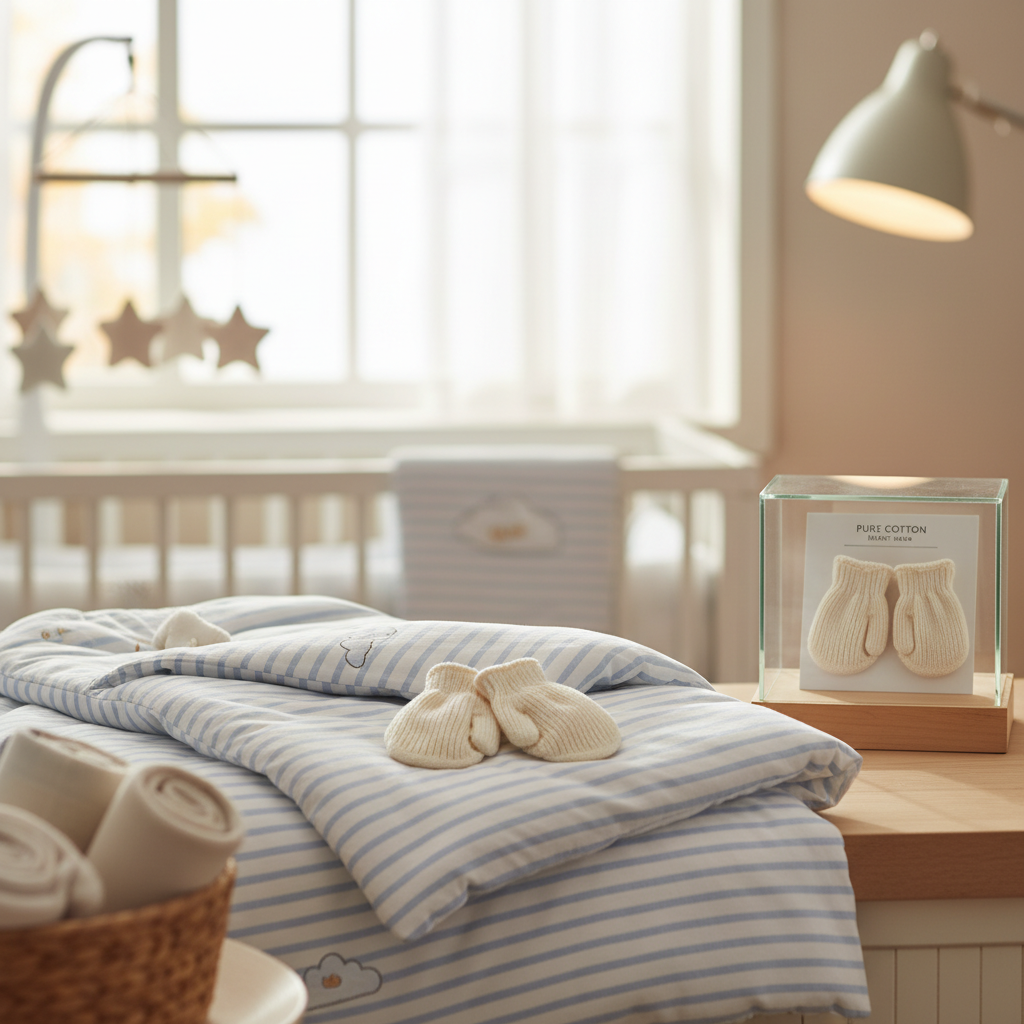
In the niche of baby and kids' garments and bedding, these covers are a necessity. With infants and toddlers prone to accidents, a breathable cotton waterproof cover prevents leaks from ruining the mattress while ensuring the baby's skin remains dry and cool, preventing rashes and ensuring a safe, hypoallergenic sleep environment.
Long-Term Value and Sustainability Impact
From a financial perspective, the long-term value of a cotton waterproof mattress cover is measured by the cost avoidance of mattress replacement. A high-quality cover can extend the life of a mattress by 5 to 10 years by preventing deep-core contamination. This reliability creates a trust-bond between the manufacturer and the consumer, as the product delivers a tangible ROI.
Sustainability is also a key driver. By extending the life of the mattress—which often contains non-biodegradable foams and metals—waterproof covers reduce the amount of bulky waste ending up in landfills. Furthermore, the use of organic cotton in the top layer aligns with the global shift toward eco-friendly textiles, reducing the chemical footprint of the manufacturing process.
Moreover, the emotional value of safety and peace of mind cannot be overstated. Whether it is a parent worrying about a toddler's bed or a hotel manager ensuring guest hygiene, the reliability of a waterproof barrier provides a sense of security and professional dignity in the management of sleep environments.
Future Innovations in Waterproof Textile Tech
The future of the cotton waterproof mattress cover lies in the integration of "smart" materials. We are seeing the emergence of phase-change materials (PCM) embedded within the cotton layers to regulate temperature actively, ensuring the cover remains cool in summer and warm in winter, further enhancing the sleep experience.
Digital transformation in manufacturing is also playing a role. Automation in lamination and ultrasonic welding allows for more precise seams, eliminating the risk of leaks at the edges. Additionally, there is a strong push toward biodegradable TPU alternatives, which would make the entire cover compostable without sacrificing the waterproof properties.
As sustainability policies tighten globally, the industry is moving toward a circular economy where old cotton waterproof covers can be recycled into insulation materials. This shift ensures that the functional benefits of protection do not come at the cost of environmental degradation.
Technical Analysis of Cotton Waterproof Mattress Cover Specifications
| Material Grade |
Waterproof Method |
Breathability Score |
Durability (Wash Cycles) |
| Premium Organic Cotton |
TPU Lamination |
9/10 |
100+ Cycles |
| Cotton Terry Blend |
Coated Membrane |
8/10 |
70+ Cycles |
| Quilted Cotton Face |
Integrated TPU Layer |
7/10 |
80+ Cycles |
| Hospital Grade Cotton |
Heavy Duty TPU |
6/10 |
150+ Cycles |
| Eco-Cotton Blend |
Bio-TPU Film |
9/10 |
50+ Cycles |
| Standard Cotton Knit |
Basic Lamination |
7/10 |
60+ Cycles |
FAQS
Unlike old-fashioned PVC protectors, a modern cotton waterproof mattress cover using TPU technology is virtually silent. The combination of the absorbent cotton top layer and the flexible TPU membrane ensures that there is no "plastic" sound when you move in bed, providing a quiet and natural sleep experience.
Yes, the breathable nature of the TPU membrane allows air to circulate while blocking water. When paired with a natural cotton face, it prevents heat trapping. For maximum airflow, we recommend the Cotton Terry version, which optimizes moisture-wicking and temperature regulation.
To maintain the integrity of the waterproof layer, wash your cover in cool or warm water on a gentle cycle. Avoid using bleach or harsh chemicals, and most importantly, do not tumble dry on high heat, as excessive heat can melt or crack the TPU membrane. Air drying or low-heat tumble drying is recommended.
While a standard fitted cotton waterproof mattress cover protects the surface, a full-zip encasement version provides a complete barrier. The TPU layer is too dense for bed bugs to penetrate, making an encasement style cotton waterproof mattress cover an excellent choice for total pest and liquid protection.
Most high-quality cotton waterproof covers are naturally hypoallergenic. By blocking dust mites and allergens from entering the mattress core and using breathable cotton on the surface, these covers are ideal for individuals with sensitive skin or asthma.
Depending on the usage (residential vs. commercial), a high-quality cover typically lasts 3-5 years. You should replace it if you notice any peeling of the TPU layer, holes in the cotton face, or if the elastic fitting has lost its tension, ensuring your mattress remains fully protected.
Conclusion
The cotton waterproof mattress cover represents the perfect intersection of textile comfort and industrial functionality. By leveraging the natural breathability of cotton and the impermeable strength of TPU, these covers protect expensive bedding investments, ensure rigorous hygiene standards in commercial environments, and provide a healthy, hypoallergenic sleep surface for the home.
As we move toward a future of sustainable and smart textiles, the evolution of these covers will continue to prioritize eco-friendly materials and advanced temperature regulation. Whether you are furnishing a boutique hotel or securing a nursery, investing in a premium waterproof protector is an essential step in maintaining a long-lasting and sanitary sleeping environment. Visit our website for more professional bedding solutions: www.sthometextile.com