Choosing the right baby blanket is more than a simple shopping decision; it is an investment in a newborn's comfort, safety, and emotional security. In the delicate early stages of life, the tactile environment plays a crucial role in sensory development and temperature regulation, making the quality of textiles a primary concern for parents worldwide.
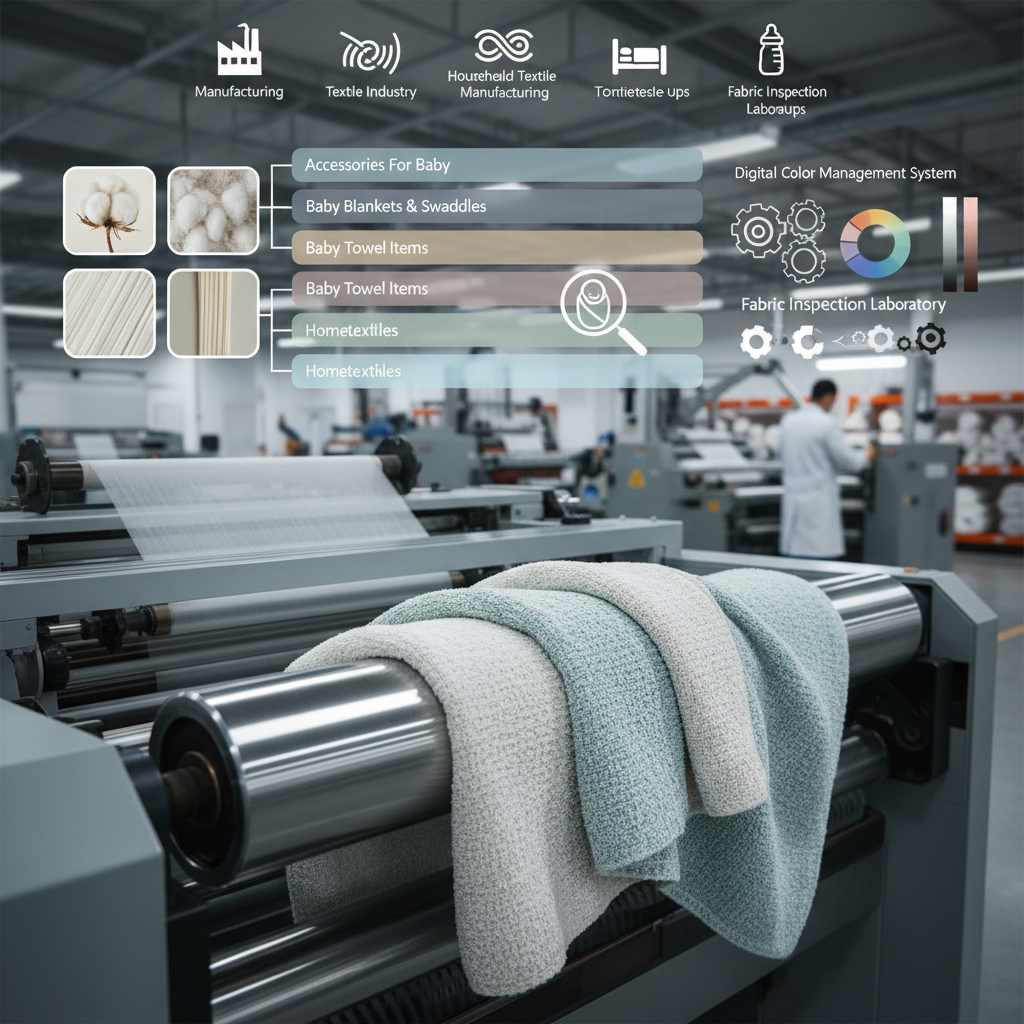
From a global manufacturing perspective, the production of infant textiles has evolved from basic wool wraps to high-tech, hypoallergenic materials that meet stringent international safety standards. The modern baby blanket now integrates ergonomic design with sustainable sourcing, ensuring that the product is as gentle on the planet as it is on the baby's skin.
Understanding the nuances of fabric breathability, weave density, and chemical certifications is essential for wholesalers and consumers alike. By focusing on the intersection of textile science and pediatric care, we can ensure that every child has access to a safe, cozy, and durable sleep companion that supports their healthy growth.
Global Standards of Baby Blanket Production
The global production of the baby blanket is governed by a complex set of quality benchmarks that prioritize infant safety over cost. Manufacturers must adhere to strict guidelines regarding thread count, tensile strength, and the absence of loose filaments that could pose a choking hazard, ensuring a consistent level of excellence across different market tiers.
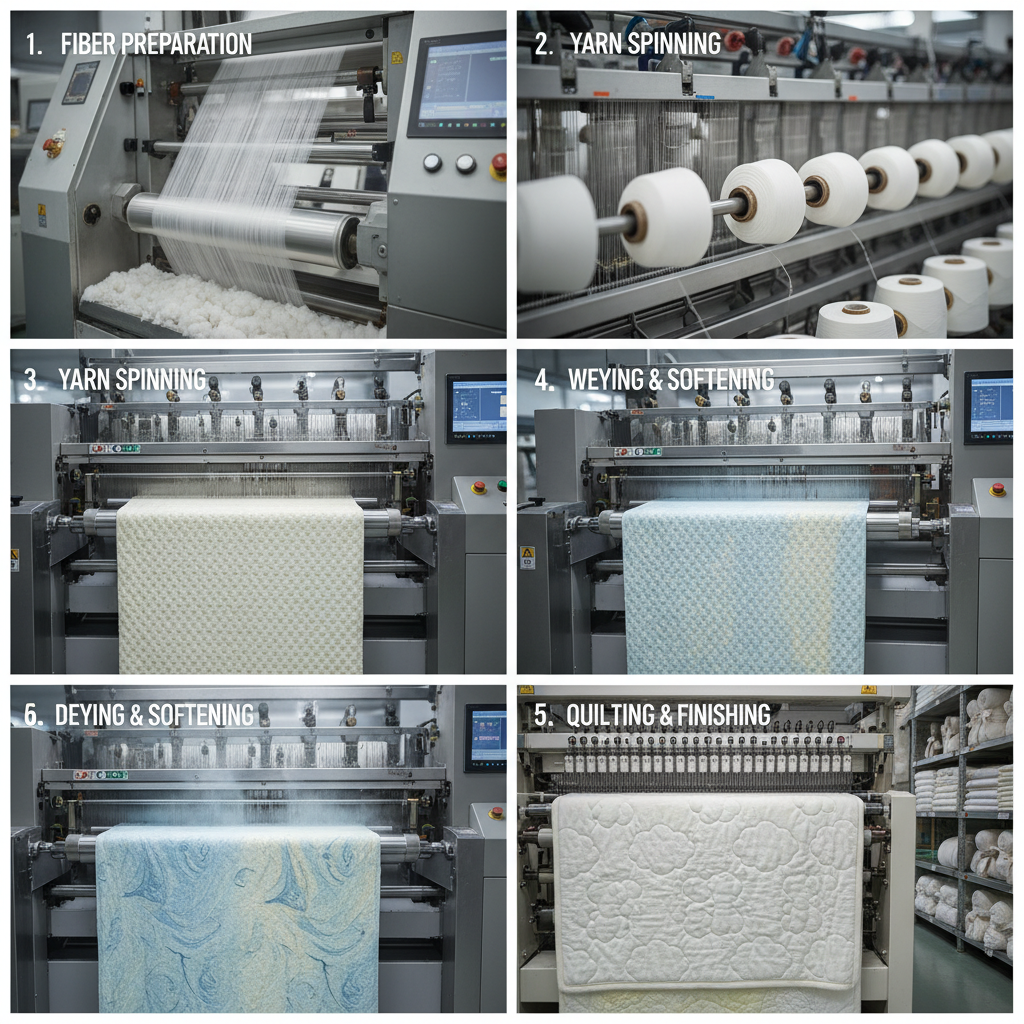
As the industry shifts toward a more integrated supply chain, the emphasis has moved toward "total quality management." This means every step, from the raw fiber spinning to the final stitching of the baby blanket, is monitored to prevent contaminants from entering the production line, reflecting a global commitment to neonatal health.
Material Science and Hypoallergenic Fibers
The selection of materials for a baby blanket is where science meets comfort. Organic cotton remains a gold standard due to its natural breathability and soft hand-feel, but the industry has seen a surge in the use of bamboo viscose and merino wool, which offer superior moisture-wicking properties and natural thermoregulation for infants.
Hypoallergenic properties are non-negotiable in modern textile engineering. By utilizing advanced refining processes, manufacturers can remove impurities and allergens from the fibers, ensuring that the baby blanket does not trigger contact dermatitis or respiratory irritation in newborns with sensitive skin.
Furthermore, the development of blended fabrics has allowed for a balance between durability and softness. For instance, combining a high-grade polyester core for structural integrity with a cotton outer layer creates a baby blanket that withstands frequent industrial laundering without losing its plush texture.
Safety Certifications and Regulatory Compliance
In the competitive landscape of infant textiles, a baby blanket must carry recognized certifications to prove its safety. OEKO-TEX® Standard 100 is perhaps the most critical, as it guarantees that every component of the product, from the thread to the buttons, has been tested for harmful substances.
Beyond chemical safety, the baby blanket must comply with flammability standards set by organizations like the CPSC (Consumer Product Safety Commission). This involves using fire-retardant treatments that are non-toxic or utilizing inherently flame-resistant fibers to prevent accidents in home environments.
Compliance is not just a legal requirement but a trust-building mechanism. When a brand can verify that their baby blanket meets ISO quality management systems, it signals to the global market a commitment to precision and reliability that transcends regional borders.
Performance Metrics for Thermal Comfort
Measuring the efficacy of a baby blanket requires an understanding of Clo values and breathability indices. A blanket that is too heavy can lead to overheating, which is a known risk factor for SIDS, while one that is too light fails to protect the infant from drafts.
Engineers now use thermal imaging and airflow sensors to test how a baby blanket traps heat while allowing moisture vapor to escape. This balance ensures that the baby remains in a "thermal neutral zone," reducing the metabolic energy required to maintain body temperature.
Thermal Efficiency of Various Baby Blanket Types
Versatility in Real-World Applications
The utility of a baby blanket extends far beyond the nursery. In hospital settings, specialized medical-grade blankets are used to maintain the temperature of premature infants in incubators, where fabric purity and non-shedding properties are critical to prevent airway obstruction.
In the commercial sector, the baby blanket is often integrated into travel kits for airline passengers or provided as part of premium hotel amenity packages. These use cases require a product that is not only comfortable but also highly portable and capable of withstanding rigorous industrial sterilization processes.
Sustainability and Eco-Friendly Manufacturing
The textile industry is facing a paradigm shift toward circularity, and the production of the baby blanket is at the forefront of this change. By utilizing GOTS (Global Organic Textile Standard) certified cotton, manufacturers are reducing the use of synthetic pesticides and water consumption during the growing phase.
Innovations in dyeing processes, such as waterless dyeing and the use of plant-based pigments, ensure that the colors of a baby blanket are achieved without leaching toxic chemicals into the groundwater or leaving residues on the fabric that could irritate a child's skin.
Furthermore, the move toward biodegradable fibers ensures that once a baby blanket has outlived its usefulness, it does not contribute to the growing problem of microplastic pollution in our oceans, aligning commercial success with ecological responsibility.
Future Innovations in Smart Baby Textiles
The next frontier for the baby blanket involves the integration of "smart" technology. We are seeing the emergence of conductive fibers that can monitor a baby's body temperature and heart rate in real-time, sending alerts to a parent's smartphone if the infant becomes too hot or shows signs of distress.
Phase-change materials (PCMs) are also being explored, allowing a baby blanket to actively absorb and release heat. This technology mimics the human body's thermoregulation, providing a consistent temperature regardless of the external environment.
As automation and AI-driven design take over the manufacturing process, the baby blanket will become more personalized, with weave patterns optimized for the specific weight and activity levels of individual infants to maximize sleep quality and comfort.
Comparative Analysis of Baby Blanket Material Technologies
| Material Type |
Breathability Score |
Durability (Washes) |
Eco-Impact |
| Organic Cotton |
9/10 |
High |
Low |
| Bamboo Viscose |
10/10 |
Medium |
Medium |
| Merino Wool |
7/10 |
Very High |
Low |
| Recycled Polyester |
5/10 |
Highest |
High |
| Muslin Blend |
10/10 |
Medium |
Low |
| Cashmere Blend |
6/10 |
Low |
Medium |
FAQS
The safest fabrics are generally 100% organic cotton or bamboo, as they are naturally breathable and less likely to cause allergic reactions. Ensure the blanket is OEKO-TEX certified to guarantee it is free from harmful chemicals and dyes.
To avoid pilling, wash your baby blanket on a gentle cycle with cold water and use a mild, fragrance-free detergent. Avoid using the dryer on high heat; instead, tumble dry on low or air dry to preserve the fiber integrity.
Yes, but only if the material is lightweight and breathable, such as muslin. Heavier blankets used for warmth are not suitable for swaddling as they can cause overheating and may not provide the secure fit needed for a safe swaddle.
For winter, look for materials with high thermal retention like merino wool or high-density fleece. Ensure the blanket is still breathable to prevent moisture buildup and that it does not have loose threads that could snag on clothing.
Synthetic blankets can be safe if they are made from high-quality, hypoallergenic polyester. However, they are less breathable than natural fibers. Always check for safety certifications to ensure the synthetic materials are non-toxic.
Because baby blankets are exposed to spit-up, milk, and environmental dust, they should be washed at least once a week. Frequent laundering prevents the growth of bacteria and allergens, maintaining a hygienic environment for the infant.
Conclusion
The selection and manufacture of a baby blanket represent a critical intersection of material science, safety regulation, and parental care. By prioritizing hypoallergenic fibers, adhering to global certifications like OEKO-TEX, and embracing sustainable production methods, the textile industry ensures that infants are provided with the optimal environment for sleep and growth.
Looking ahead, the integration of smart textiles and biodegradable materials will further redefine the standards of infant care. We encourage manufacturers and parents to remain vigilant about fabric breathability and safety standards to guarantee a healthy start for every child. For premium, safety-certified textile solutions, visit our website: www.sthometextile.com.