Mattress covers are an essential component in maintaining hygiene, extending the lifespan of mattresses, and providing a comfortable sleep environment. Globally, the demand for high-quality mattress covers is steadily increasing, driven by growing health consciousness and a rising awareness of the importance of sleep. This demand spans residential, hospitality, and healthcare sectors, making mattress cover production a significant industry worldwide.
The textile industry's response to this demand involves constant innovation in materials, designs, and manufacturing processes. Modern mattress covers are engineered to be waterproof, hypoallergenic, breathable, and resistant to dust mites and allergens, catering to diverse consumer needs. The industry is increasingly focused on sustainable practices, utilizing eco-friendly materials and reducing waste.
Understanding the nuances of mattress cover production—from raw material sourcing to final product quality control—is critical for businesses operating in the home textile market. This knowledge allows for strategic decision-making, efficient resource allocation, and the development of superior products that meet evolving customer expectations.
The Global Significance of Mattress Covers
The global market for mattress covers is substantial and continues to expand, fueled by heightened awareness of hygiene, allergy prevention, and the preservation of mattress investments. According to recent reports, the global home textile market, inclusive of mattress covers, is projected to reach $120 billion by 2027, with a CAGR of 6.5%. This growth is especially pronounced in emerging economies where disposable incomes are rising and consumer spending on home furnishings is increasing.
The demand for specialized mattress covers, such as those with waterproof or hypoallergenic properties, is also increasing. This is due to a growing prevalence of allergies and asthma, as well as a greater emphasis on sleep quality and well-being. Healthcare facilities, hotels, and the hospitality industry are key drivers of demand for durable, washable, and hygienic mattress protection solutions.
Defining the Mattress Cover
A mattress cover is a protective layer designed to encase a mattress, safeguarding it from spills, stains, dust mites, allergens, and general wear and tear. It's fundamentally a hygiene barrier, but modern mattress covers offer a range of additional benefits, including enhanced comfort and extended mattress lifespan. They are available in various materials, sizes, and features, adapting to different mattress types and user preferences.
Historically, mattress covers were simple cotton or linen casings. Today, however, advanced materials like polyester, polypropylene, and specialized laminates are commonly used. These materials provide superior protection, breathability, and durability. Waterproof mattress covers, for example, utilize a polyurethane membrane to prevent liquids from penetrating the mattress core.
The importance of a good mattress cover extends beyond protecting the investment in the mattress itself. It directly contributes to a healthier sleep environment by minimizing exposure to allergens and dust mites, crucial for individuals with respiratory sensitivities. In the broader context, it aligns with the growing emphasis on preventative healthcare and well-being.
Key Properties of Effective Mattress Covers
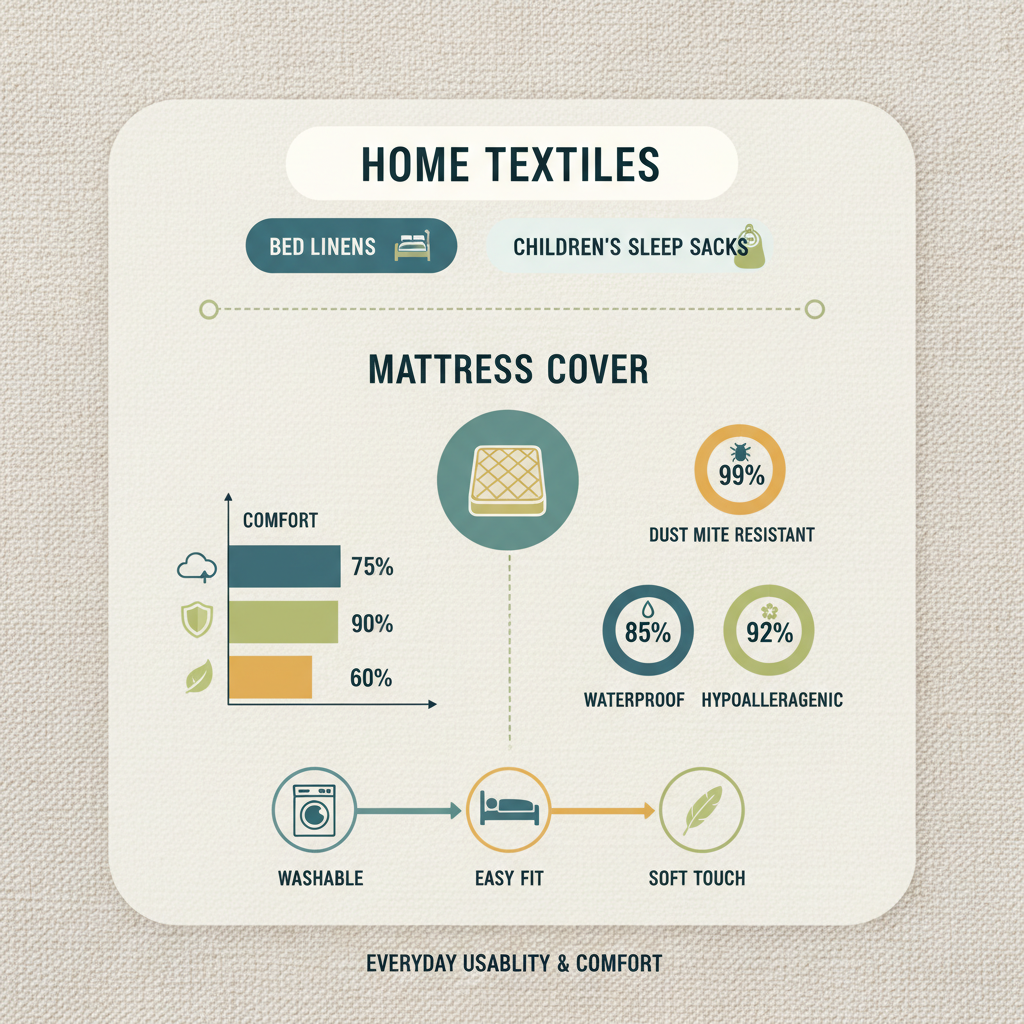
Several core properties determine the effectiveness of a mattress cover. Durability is paramount, as the cover must withstand repeated use and laundering. This is often measured by fabric weight (GSM) and tensile strength. Breathability is equally important to prevent overheating and maintain a comfortable sleep temperature. Materials like cotton and specialized polyester blends offer excellent breathability.
Waterproofing is a critical feature for protecting against spills and accidental liquids. This functionality relies on the use of waterproof membranes, such as polyurethane or TPU (thermoplastic polyurethane). Hypoallergenic properties are essential for individuals with allergies or asthma, requiring materials that resist dust mites and allergens. Fabric certification, such as Oeko-Tex Standard 100, guarantees the absence of harmful substances.
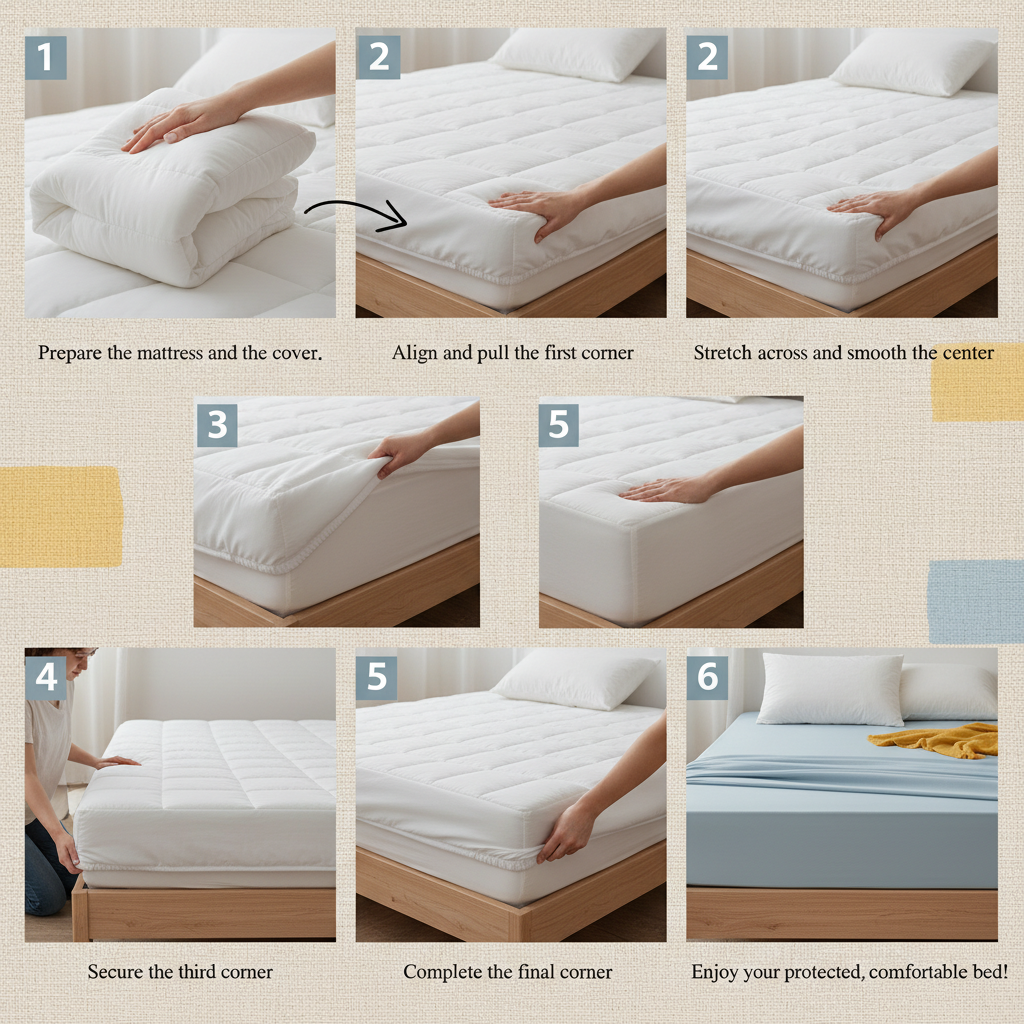
Finally, ease of use and maintenance are important considerations. A well-designed mattress cover should be easy to put on and remove, as well as machine washable and dryable. Quality zippers and secure closures contribute to the cover's overall performance and longevity.
Applications Across Diverse Sectors
The applications of mattress covers extend far beyond residential use. The hospitality industry, including hotels and resorts, relies heavily on mattress covers to protect their investments, maintain hygiene standards, and provide guests with a comfortable and safe sleep experience. These covers are often required to be waterproof, stain-resistant, and easily sanitized.
Healthcare facilities, such as hospitals and nursing homes, require specialized mattress covers that meet stringent hygiene and safety regulations. These covers are often fire-retardant, waterproof, and designed to prevent the spread of infections. The use of mattress covers in healthcare settings is crucial for patient safety and infection control.
Mattress Cover Application Distribution
Advantages and Long-Term Value
Investing in a high-quality mattress cover yields significant long-term benefits. The most obvious is cost savings – protecting your mattress from damage and stains prolongs its lifespan, delaying the need for costly replacements. This aligns with principles of sustainable consumption and responsible resource management.
Beyond cost, there's a substantial health and well-being advantage. By minimizing allergen exposure, mattress covers contribute to a healthier sleep environment, improving sleep quality and reducing the risk of respiratory problems. The peace of mind knowing your mattress is protected and hygienic is invaluable.
Future Trends in Mattress Cover Technology
The future of mattress cover technology is focused on innovation in materials and functionality. We're seeing increasing interest in smart textiles, incorporating sensors that monitor sleep patterns, body temperature, and even detect bed bugs. These smart covers provide valuable data for optimizing sleep and identifying potential health concerns.
Sustainable materials are also gaining prominence. Manufacturers are exploring the use of recycled fabrics, organic cotton, and biodegradable polymers to reduce the environmental impact of mattress cover production. Furthermore, advancements in nanotechnology are paving the way for more effective and durable waterproof and stain-resistant coatings.
The integration of antimicrobial technologies, using silver ions or other safe and effective agents, will likely become more widespread. This will further enhance the hygienic properties of mattress covers, particularly in healthcare and hospitality settings.
Addressing Challenges and Ensuring Quality
Despite advancements, several challenges remain in the mattress cover industry. Maintaining consistent quality control across different manufacturing facilities can be difficult. Ensuring the durability of waterproof membranes and preventing degradation over time is also a key challenge.
Another challenge is addressing consumer concerns about breathability in waterproof covers. Manufacturers are actively working to develop materials that offer both effective waterproofing and optimal breathability. Transparency in material sourcing and manufacturing processes is crucial for building consumer trust.
Independent testing and certification, such as Oeko-Tex and CertiPUR-US, play a vital role in verifying the quality, safety, and environmental performance of mattress covers. Investing in rigorous quality control measures and embracing sustainable practices are essential for long-term success in this industry.
Key Quality Control Parameters for Mattress Cover Production
| Material Composition |
Waterproof Performance |
Durability & Strength |
Allergen Barrier Efficacy |
| Percentage of Polyester/Cotton Blend |
Hydrostatic Pressure Resistance (mmH2O) |
Tensile Strength (N/5cm) |
Dust Mite Permeability (%) |
| Organic Cotton Content (%) |
Water Penetration Time (seconds) |
Tear Strength (N) |
Mold Resistance Score (1-10) |
| Polyurethane Membrane Thickness (μm) |
Spray Impact Resistance (rating 1-5) |
Seam Strength (N) |
Allergen Reduction (%) |
| Recycled Polyester Usage (%) |
Leakage Prevention Rating (Pass/Fail) |
Abrasion Resistance (cycles) |
Bacterial Inhibition Rate (%) |
| Flame Retardant Treatment Type |
Wash Durability (cycles) |
Colorfastness to Washing (rating 1-5) |
Pet Dander Capture Efficiency (%) |
| Oeko-Tex Certification Status |
UV Resistance Rating (hours) |
Zipper Closure Strength (N) |
Overall Hygiene Score (1-10) |
FAQS
Polyurethane is widely considered the best material for waterproof mattress covers. It's highly effective at preventing liquids from penetrating the mattress while remaining breathable. TPU (thermoplastic polyurethane) is another excellent option, offering similar performance with increased durability. Avoid covers made solely of vinyl, as they tend to be less breathable and can be noisy. Choosing a high-quality mattress cover with a proven waterproof membrane ensures optimal protection and comfort.
You should wash your mattress cover every 1-2 months, or more frequently if you experience spills, sweat, or allergies. Regular washing removes dust mites, allergens, and body oils, maintaining a hygienic sleep environment. Always follow the manufacturer's instructions for washing and drying, as some materials may require special care. Properly laundering your mattress cover extends its lifespan and ensures continued protection.
Not necessarily. While some waterproof covers can trap heat, many modern mattress covers are designed with breathable materials like cotton or specialized polyester blends. Look for covers with moisture-wicking properties to help regulate temperature. Covers with a polyurethane membrane are generally more breathable than those made with vinyl. Choosing the right material ensures a comfortable sleep experience without overheating.
Yes, a properly fitted mattress cover with a tight weave can be highly effective against dust mites. Dust mites are a common allergen that can trigger respiratory problems. Enclosing your mattress in a dust-mite-proof cover prevents these allergens from escaping and irritating your airways. Look for covers specifically labeled as “allergy-reducing” or “dust mite-proof”. A good mattress cover is a crucial component of allergy management.
Always measure your mattress accurately before purchasing a cover. Mattress sizes can vary slightly, so relying on the standard size may not be enough. Ensure the cover fits snugly and completely encases the mattress, with no gaps or loose areas. Some covers are designed for specific mattress depths, so check the product specifications carefully. A well-fitting mattress cover is essential for optimal protection and performance.
Look for certifications such as Oeko-Tex Standard 100, which ensures the fabric is free from harmful substances. CertiPUR-US certification guarantees that the foam used in the cover meets strict standards for content, emissions, and durability. These certifications provide assurance that the mattress cover is safe, healthy, and environmentally responsible. Choosing certified products supports sustainable and ethical manufacturing practices.
Conclusion
In conclusion, the mattress cover is far more than a simple accessory; it's a vital investment in hygiene, health, and the longevity of your mattress. From its global significance in various sectors to the advancements in material science and functionality, the industry continues to evolve to meet the growing demands of consumers and businesses alike. Understanding the key properties, applications, and future trends surrounding mattress covers is crucial for making informed decisions.
As we look ahead, the emphasis on sustainability, smart technologies, and enhanced hygiene will drive further innovation in this field. We encourage you to explore the wide range of options available and choose a mattress cover that best suits your needs and preferences. Visit our website at www.sthometextile.com to learn more about our premium mattress covers and discover the perfect solution for a healthier, more comfortable sleep.