In the diverse landscape of home textiles, the cotton blanket remains a cornerstone of comfort and health. Its natural breathability and hypoallergenic properties make it an essential choice for households worldwide, bridging the gap between luxury bedding and functional daily utility. Understanding the nuances of cotton weaving and fiber quality is key to selecting a product that ensures long-term durability and optimal thermal regulation.
Globally, the demand for natural fibers has surged as consumers pivot away from synthetic polyesters in favor of sustainable, biodegradable options. The versatility of the cotton blanket allows it to serve multiple roles, from lightweight summer throws to heavy-duty winter layers, making it a staple in both residential and commercial sectors, including hospitality and healthcare.
Integrating high-quality cotton textiles into a living space is not merely an aesthetic choice but a commitment to wellness. By focusing on the E-E-A-T principles of textile manufacturing—Experience, Expertise, Authoritativeness, and Trustworthiness—industry leaders are redefining how these essential items are produced, ensuring that every thread contributes to a superior sleep experience.
The Global Significance of Cotton Blankets
The global market for the cotton blanket is deeply intertwined with the rise of conscious consumerism. According to international trade data and ISO quality standards, there is a measurable shift toward "pure-fiber" products that reduce the carbon footprint associated with synthetic dye and polymer production. In many regions, cotton is not just a commodity but a symbol of reliability and purity, especially in infant care and medical environments.
However, the industry faces the challenge of balancing mass production with artisanal quality. As global supply chains fluctuate, ensuring a consistent GSM (grams per square meter) and weave density becomes paramount to maintaining the standard of comfort that users expect from a premium cotton product.
Defining Quality in Modern Cotton Textiles
At its core, a cotton blanket is a woven or knitted textile constructed from the soft, fluffy staple fibers of the cotton plant. Unlike synthetic alternatives, the natural cellular structure of cotton allows for superior moisture wicking and air permeability, which is critical for regulating body temperature during sleep.
In the context of modern industry, these products have evolved from simple household covers to specialized tools for humanitarian aid and luxury hospitality. For instance, in disaster relief operations, a durable, breathable cotton wrap provides not only warmth but also a sense of psychological security and dignity to displaced individuals.
The intersection of humanitarian needs and industrial capacity has led to the development of "high-tenacity" cotton, which maintains the softness of the fiber while increasing resistance to tearing and abrasion, ensuring the blanket lasts through years of rigorous use.
Core Components of Blanket Performance
Durability is the first pillar of a high-performance cotton blanket. This is determined by the staple length of the cotton fibers; longer fibers result in fewer ends and a smoother, stronger yarn that is less prone to pilling over time.
Thermal Efficiency is achieved through a precise balance of weave density and fiber loft. A well-constructed cotton blanket traps a thin layer of air to provide warmth while allowing excess heat to escape, preventing the "overheating" sensation common with polyester blends.
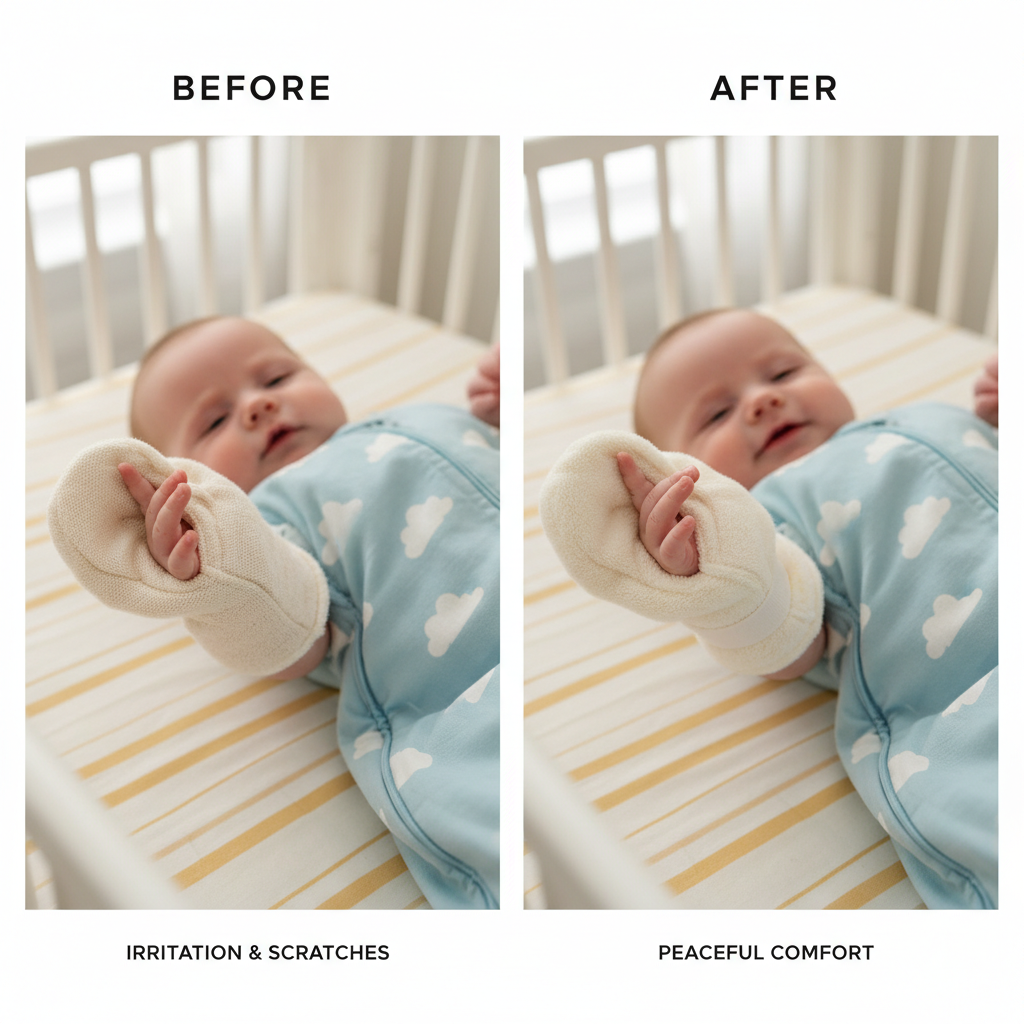
Skin Compatibility and hypoallergenic properties are what make cotton the gold standard for baby bedding and hospital use. The absence of harsh chemical irritants in organic cotton processing ensures that the fabric does not trigger allergic reactions, making it safe for the most sensitive skin.
Industrial Applications and Use Cases
The application of the cotton blanket extends far beyond the bedroom. In the aviation industry, specialized airline blankets are engineered to provide lightweight warmth for passengers while meeting strict fire-retardant certifications. Similarly, in the healthcare sector, hospital-grade cotton textiles are designed to withstand frequent high-temperature sterilization without losing their structural integrity.
In remote industrial zones or post-disaster relief operations, these blankets are deployed as essential survival gear. Their ability to be easily laundered and their natural resistance to static electricity make them safer and more practical than synthetic wraps in unstable environments.
Comparative Performance of Cotton Blanket Varieties
Long-Term Value and Sustainability
Investing in a high-quality cotton blanket offers tangible long-term value through its lifespan and biodegradability. Unlike synthetic fibers that shed microplastics into the water system during every wash, cotton returns to the earth naturally, aligning with global ESG (Environmental, Social, and Governance) goals.
From an emotional perspective, the trust associated with natural materials provides a sense of safety and dignity. Whether it is a parent wrapping their newborn or a traveler finding comfort in a hotel room, the tactile softness of cotton fosters a psychological connection to comfort and care that synthetics cannot replicate.
Future Innovations in Cotton Weaving
The future of the cotton blanket lies in the fusion of nature and technology. We are seeing the emergence of "smart cotton" infused with nano-coatings that provide antimicrobial properties without sacrificing the fiber's natural breathability. This is particularly transformative for the medical and baby-care sectors.
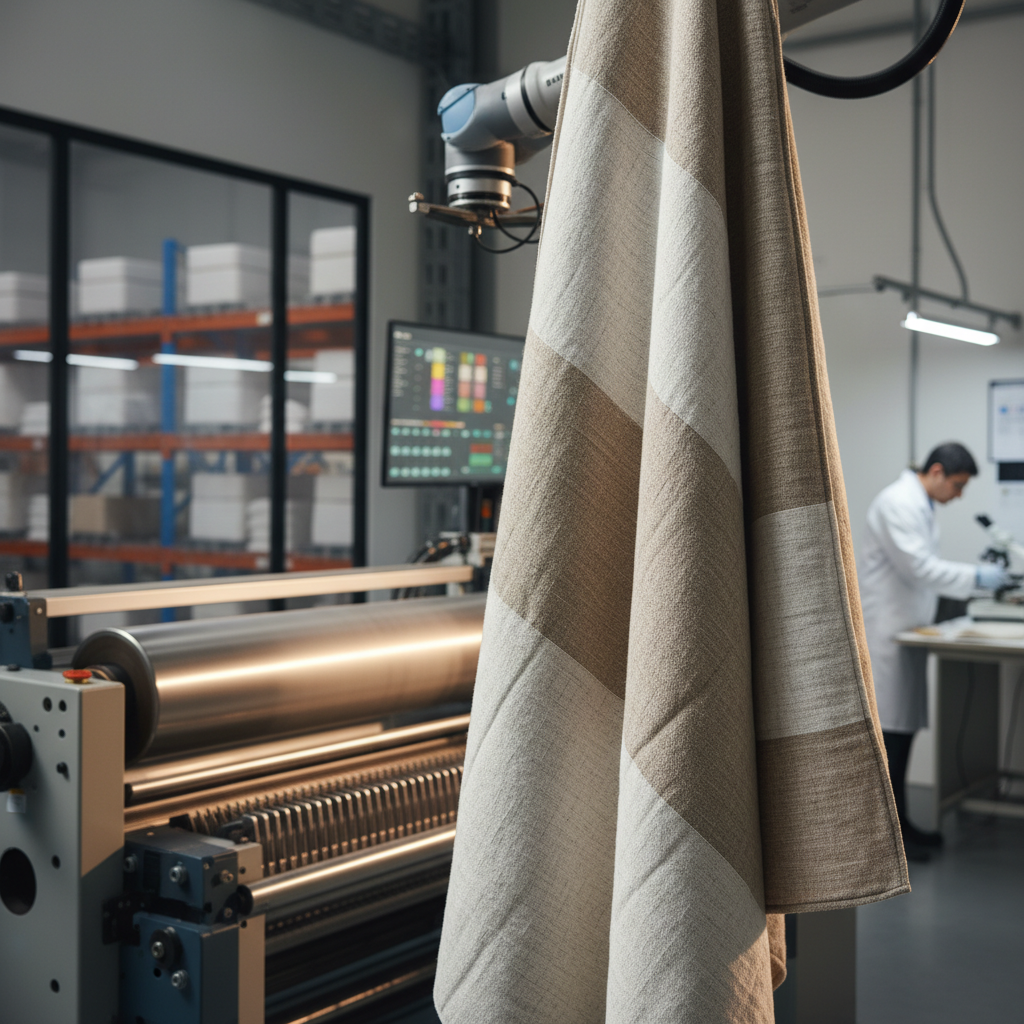
Automation in weaving, such as 3D knitting technology, is allowing manufacturers to create seamless blankets with variable density zones. This means a single blanket can have a warmer core and more breathable edges, optimizing thermal regulation based on human body heat maps.
Furthermore, the shift toward regenerative agriculture is ensuring that the cotton used in these textiles is grown in a way that restores soil health, making the final product not just "carbon neutral" but "carbon negative."
Overcoming Common Textile Challenges
One of the primary challenges with the cotton blanket is its tendency to shrink if not processed correctly. To solve this, industry experts utilize "sanforization," a mechanical stretching and shrinking process that pre-sets the fabric, ensuring the product retains its dimensions after multiple washes.
Another common issue is the tendency for cotton to wrinkle. Innovative finishing techniques, such as enzyme washing, are now used to soften the fibers and reduce creasing without the use of toxic formaldehyde resins, maintaining the eco-friendly nature of the textile.
Lastly, to combat the higher cost of premium long-staple cotton, manufacturers are optimizing supply chains through digital transformation, reducing waste during the cutting and sewing process to make high-end cotton blankets more accessible to the average consumer.
Analysis of Cotton Blanket Quality and Performance Standards
| Blanket Type |
Breathability Score |
Durability Index |
Recommended Use |
| Organic Baby Wrap |
10/10 |
7/10 |
Infant Care |
| Hotel Luxury Throw |
8/10 |
9/10 |
Hospitality |
| Medical Grade Bedding |
7/10 |
10/10 |
Healthcare |
| Airline Comfort Wrap |
6/10 |
6/10 |
Travel |
| Home Thermal Blanket |
9/10 |
8/10 |
Residential |
| Relief Operation Wrap |
8/10 |
9/10 |
Emergency Aid |
FAQS
Cotton is a natural fiber that is inherently hypoallergenic and breathable. Unlike polyester, which is a plastic-based synthetic that can trap heat and sweat against the skin, cotton allows air to circulate and moisture to evaporate. This reduces the risk of skin irritation and heat rashes, making it the ideal choice for babies and individuals with eczema or allergies.
Look for three main indicators: the staple length, the GSM (weight), and the weave consistency. High-quality blankets use long-staple cotton, which feels smoother and is less likely to pill. Check the seams for tight, consistent stitching and ensure the fabric has a uniform density without thin patches, which indicates a superior weaving process.
Natural cotton can shrink if exposed to high heat. However, professionally manufactured blankets are typically "sanforized" or pre-shrunk during production to minimize this effect. To maintain the size and softness of your cotton blanket, we recommend washing in cold water and tumble drying on a low heat setting or air drying.
Organic cotton is grown without the use of synthetic pesticides, herbicides, or GMO seeds. This not only makes the blanket more environmentally friendly but also ensures that no toxic chemical residues remain in the fibers. For consumers focused on sustainability and pure health, organic cotton provides a safer, non-toxic sleeping environment.
Yes, due to their versatility. A lightweight cotton weave is perfect for summer as it keeps you cool and absorbs moisture. For winter, a higher GSM or a brushed cotton finish provides the necessary insulation to trap body heat. Many users layer cotton blankets to customize their warmth level throughout the year.
NGOs typically partner with certified manufacturers who can provide bulk shipments that meet international safety and quality standards (such as OEKO-TEX). These shipments are often coordinated through customs-cleared logistics channels to ensure rapid deployment to disaster zones, focusing on durable and breathable cotton options that provide immediate warmth and protection.
Conclusion
The cotton blanket is far more than a simple bedding accessory; it is a sophisticated blend of natural science and industrial expertise. From its critical role in infant safety and healthcare to its contribution to global sustainability goals, the enduring value of cotton lies in its ability to provide comfort without compromising health or the environment. By prioritizing fiber quality, weave precision, and ethical production, the industry continues to elevate the standard of human rest and recovery.
As we look toward the future, the integration of smart textiles and regenerative farming will only enhance the significance of cotton in our lives. We encourage consumers and procurement officers alike to look beyond the price tag and consider the long-term benefits of breathability, durability, and ecological impact. For those seeking the pinnacle of textile quality, we invite you to explore our professional range. Visit our website: www.sthometextile.com