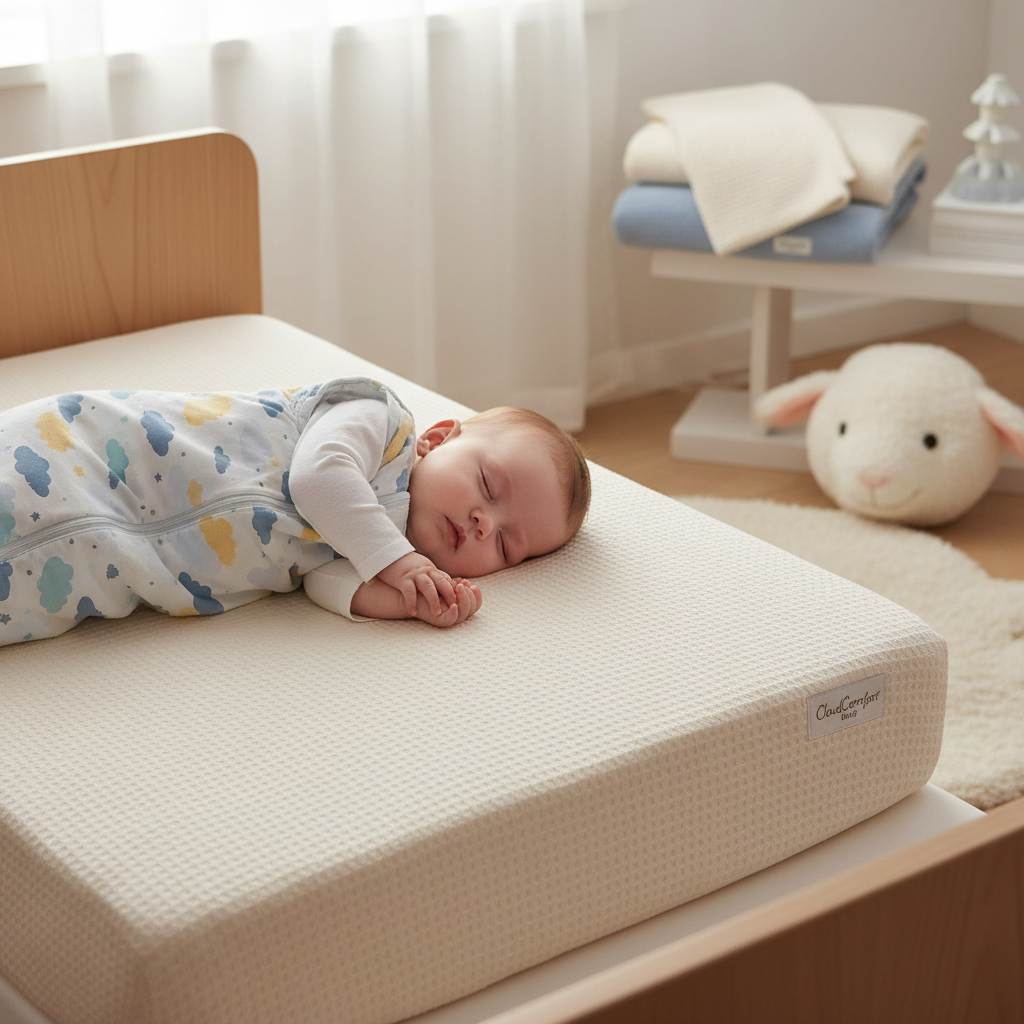
Investing in a high-quality waterproof mattress cover is no longer just a luxury for parents or healthcare facilities; it has become a fundamental aspect of modern home hygiene and asset protection. By creating an impermeable barrier between the sleeping surface and external liquids, these covers prevent costly mattress damage and inhibit the growth of allergens and mold.
From a global perspective, the demand for specialized bedding has surged as consumers prioritize longevity and health. Whether it is protecting a premium memory foam mattress from accidental spills or maintaining strict sanitary standards in a hotel environment, the right barrier ensures that the core of the bed remains pristine and free from organic contaminants.
Understanding the nuances of materials—ranging from breathable TPU membranes to quilted polyester surfaces—allows users to balance the need for complete liquid protection with the desire for a comfortable, cool sleep experience. This guide explores the technical and practical dimensions of the waterproof mattress cover to help you make an informed procurement decision.
Global Relevance of Waterproof Bedding
The global bedding market has seen a significant shift toward functional textiles, driven by an increasing awareness of indoor air quality and hygiene. According to international textile standards and ISO guidelines for home furnishings, the integration of moisture-blocking layers in bedding is essential for reducing the proliferation of dust mites and fungi, which are prevalent in humid climates.
For the hospitality and healthcare sectors, a waterproof mattress cover is not just a convenience but a regulatory necessity. The challenge lies in managing high turnover rates while ensuring that expensive mattresses are not ruined by bodily fluids or chemical spills, which would otherwise lead to immense capital waste and potential health hazards.
Defining the Waterproof Mattress Cover
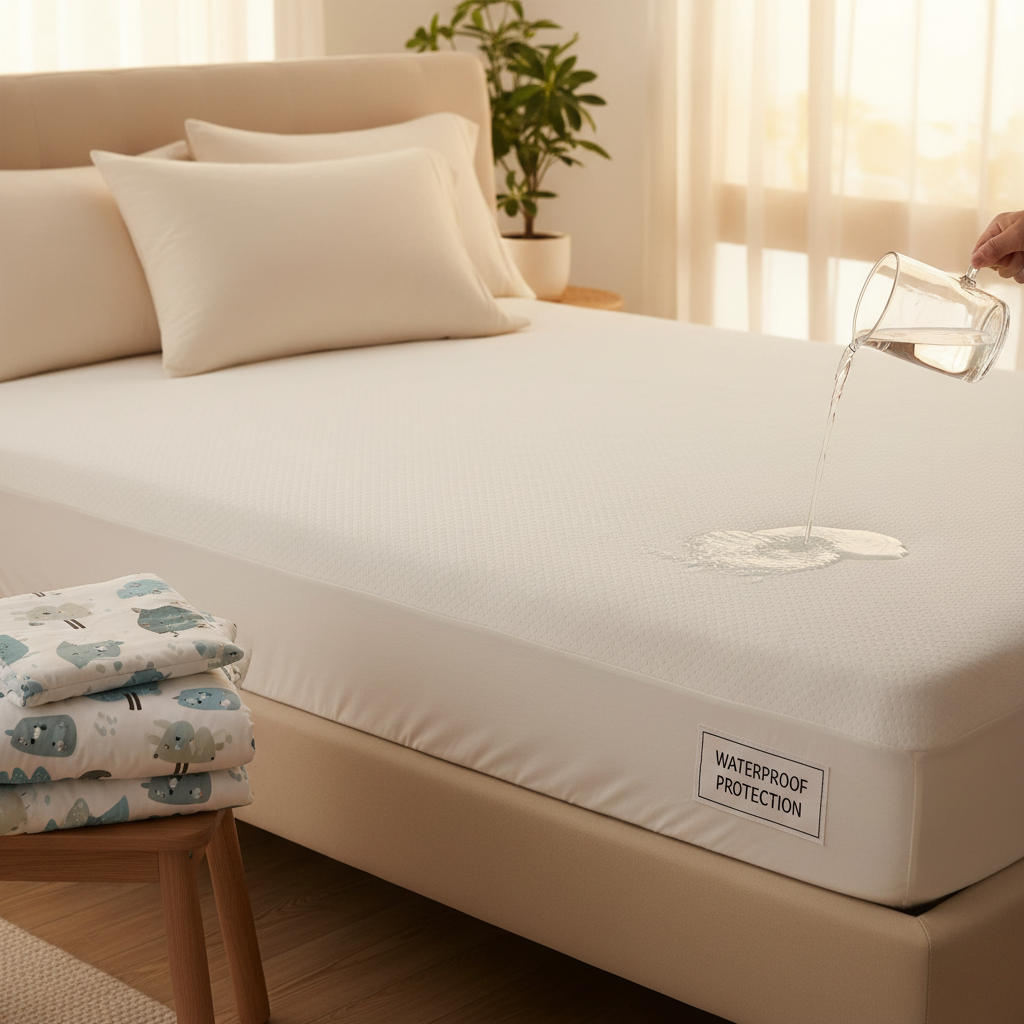
In simple terms, a waterproof mattress cover is a specialized protective layer designed to wrap around or lay atop a mattress to prevent liquids from penetrating the inner foam or spring core. Unlike a standard fitted sheet, these covers utilize advanced membrane technology—often a thin layer of Thermoplastic Polyurethane (TPU)—to create a physical seal that is impervious to water while remaining breathable enough for human sleep.
Beyond basic liquid resistance, these products address a critical humanitarian and industrial need: the preservation of sleep hygiene in challenging environments. In hospitals or elder-care facilities, where incontinence is a common challenge, these covers ensure that the patient's environment remains sanitary and that the equipment remains durable over years of heavy use.
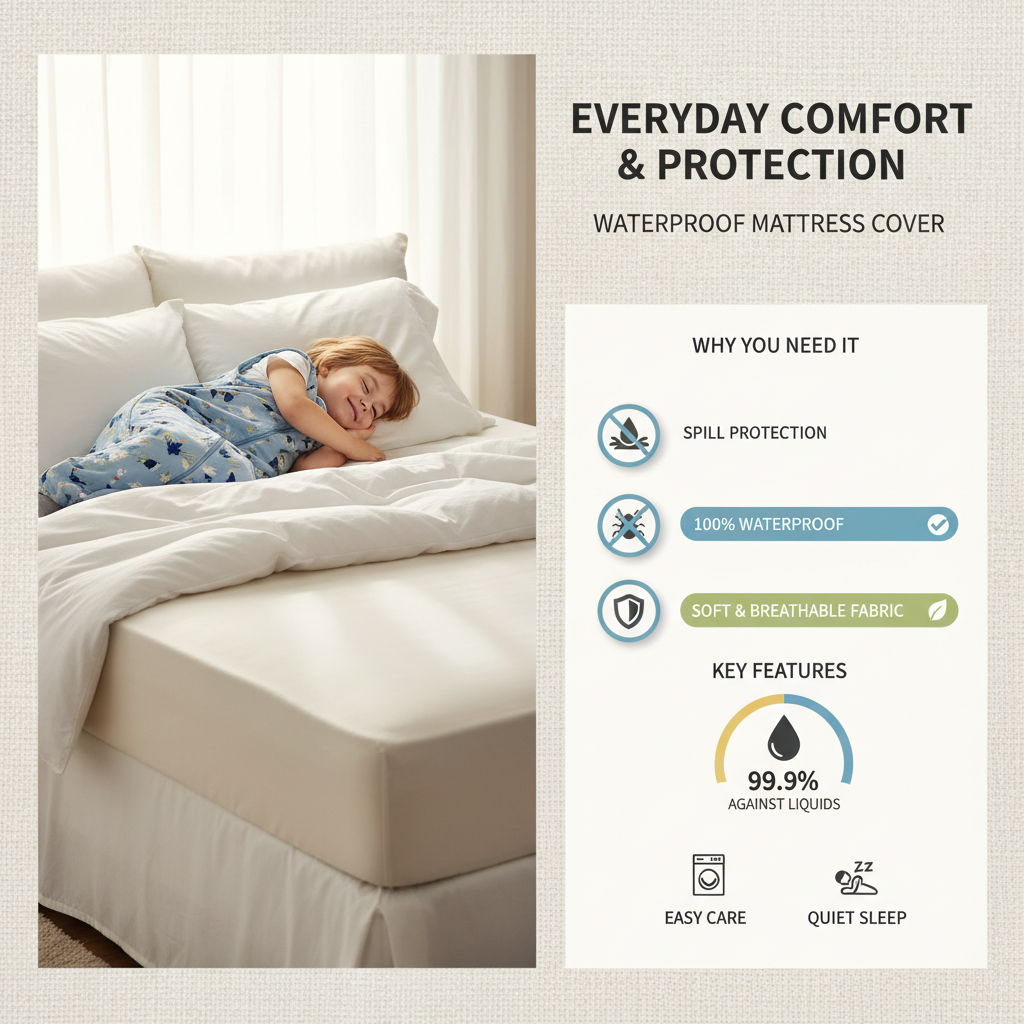
Modern manufacturing has evolved these covers from the "plastic-like" crinkly sheets of the past into sophisticated home textiles. Today's versions integrate cotton, bamboo, or polyester blends on the surface, ensuring that the user experiences the softness of traditional bedding while benefiting from the industrial-grade protection of a waterproof barrier.
Core Components of Effective Protection
The first critical factor is Material Breathability. A high-performance waterproof mattress cover must allow air molecules to pass through while blocking liquid droplets. This prevents the "oven effect," where heat is trapped against the body, ensuring the sleeper remains cool and comfortable throughout the night.
Durability and Tensile Strength are equally important. Because these covers are subject to constant friction and repeated laundering, the bonding between the waterproof membrane and the fabric face must be seamless. Industrial-grade covers utilize heat-lamination processes that prevent the layers from peeling or bubbling over time.
Finally, Hypoallergenic Properties play a vital role. By sealing the mattress, the cover acts as a shield against dust mites and pet dander. This makes it an essential tool for individuals suffering from asthma or severe allergies, transforming the bed into a safe haven for respiratory health.
Performance Metrics for Mattress Barriers
When evaluating the efficacy of a protective layer, industry experts look at the hydrostatic head pressure—a measure of how much water pressure the material can withstand before leaking. This is particularly important for commercial-grade covers used in hotels and clinics.
Additionally, noise reduction is a key metric; the "crinkle factor" is a common complaint with low-end waterproof products. High-end textiles focus on the flexibility of the TPU layer to ensure it remains silent during movement.
Comparison of Waterproof Mattress Cover Technologies
Global Applications and Use Cases
The application of a waterproof mattress cover extends far beyond the average bedroom. In the hospitality industry, specifically within luxury hotels and airlines, these covers are used to ensure a "like-new" experience for every guest. By preventing perspiration and accidental spills from soaking into the mattress, hotels significantly reduce their replacement costs and improve overall guest satisfaction.
In humanitarian contexts, such as post-disaster relief operations or remote industrial zones, waterproof bedding provides critical dignity and health protection. In temporary shelters where humidity is high and sanitation is limited, these covers prevent the mattress from becoming a breeding ground for bacteria, ensuring that displaced individuals have a clean, dry place to rest.
Long-Term Value and Sustainability
From a financial perspective, the long-term value of a waterproof mattress cover is found in "asset extension." A high-end mattress can cost thousands of dollars; spending a fraction of that on a protective layer can double or triple the lifespan of the mattress by preventing internal degradation caused by moisture.
Sustainability is also a key driver. By extending the life of the mattress, we reduce the amount of bulky foam and metal waste entering landfills. Many modern manufacturers are now moving toward recycled polyester and biodegradable TPU to ensure that the protective covers themselves do not contribute to environmental pollution.
Emotionally, these products provide peace of mind. Whether it is a parent with a toddler or a caregiver for an elderly relative, the removal of "stain anxiety" allows for a more relaxed and caring environment, shifting the focus from cleaning disasters to quality time and comfort.
Future Trends in Textile Waterproofing
The future of the waterproof mattress cover lies in the intersection of nanotechnology and smart textiles. We are seeing the emergence of "intelligent membranes" that can adjust their breathability based on the ambient temperature and the sleeper's body heat, providing a dynamic climate control system within the bedding.
Automation in manufacturing is also playing a role, with ultrasonic welding replacing traditional stitching in some areas to create 100% leak-proof seams without the need for chemical adhesives. This results in a cleaner, more durable product that is safer for sensitive skin.
Furthermore, the industry is moving toward antimicrobial-integrated waterproofing. By embedding silver ions or other safe antimicrobial agents directly into the waterproof layer, the next generation of covers will not only block liquids but actively neutralize odors and pathogens on contact.
Technical Analysis of Waterproof Mattress Cover Material Evolution
| Material Type |
Breathability Score |
Waterproof Level |
Eco-Friendliness |
| Classic PVC |
Low (2/10) |
Absolute |
Poor |
| Standard TPU |
Medium (6/10) |
High |
Moderate |
| Bamboo-TPU Blend |
High (8/10) |
High |
Good |
| Nano-Coated Fabric |
Very High (9/10) |
Moderate |
High |
| Recycled Poly-TPU |
Medium (7/10) |
High |
Excellent |
| Medical Grade PU |
Medium (5/10) |
Absolute |
Moderate |
FAQS
Not necessarily. While older PVC covers trapped heat, modern waterproof mattress covers use TPU membranes that are microporous. This allows air and water vapor to escape while preventing liquid water from entering, keeping the temperature regulated.
For general household use, we recommend washing the cover every 2-4 weeks. If you use a separate waterproof protector under a fitted sheet, you can wash it less frequently, but ensure any spills are cleaned immediately to prevent surface bacteria buildup.
Yes, they are highly recommended for memory foam. Memory foam is notoriously difficult to clean and can act like a sponge for liquids. A waterproof cover is the only effective way to protect the foam's cellular structure from permanent damage.
Yes. Water-resistant materials repel small amounts of water for a short time but will eventually soak through under pressure. Waterproof covers provide a total barrier that blocks liquids entirely, regardless of the volume or duration of the spill.
Low-quality plastic covers do crinkle. However, professional-grade TPU laminated covers are designed to be flexible and silent. Look for "quiet-touch" or quilted versions for the most natural feel.
Hotels can source these through specialized textile manufacturers. It is recommended to request samples to test breathability and durability. Importing in bulk typically involves specifying the fabric GSM (grams per square meter) and the TPU thickness to ensure the product meets commercial standards.
Conclusion
In summary, a waterproof mattress cover is a critical investment for anyone seeking to combine hygiene, durability, and comfort. By leveraging advanced TPU membranes and breathable surface fabrics, these covers protect high-value mattresses from liquid damage, allergens, and wear and tear, ensuring a healthier sleep environment across residential, hospitality, and healthcare sectors.
As we move toward a more sustainable and health-conscious future, the evolution of smart, eco-friendly waterproof textiles will continue to redefine bedding standards. We encourage buyers to prioritize material breathability and certified non-toxic membranes to maximize both sleep quality and environmental responsibility. For premium solutions, visit our website: www.sthometextile.com