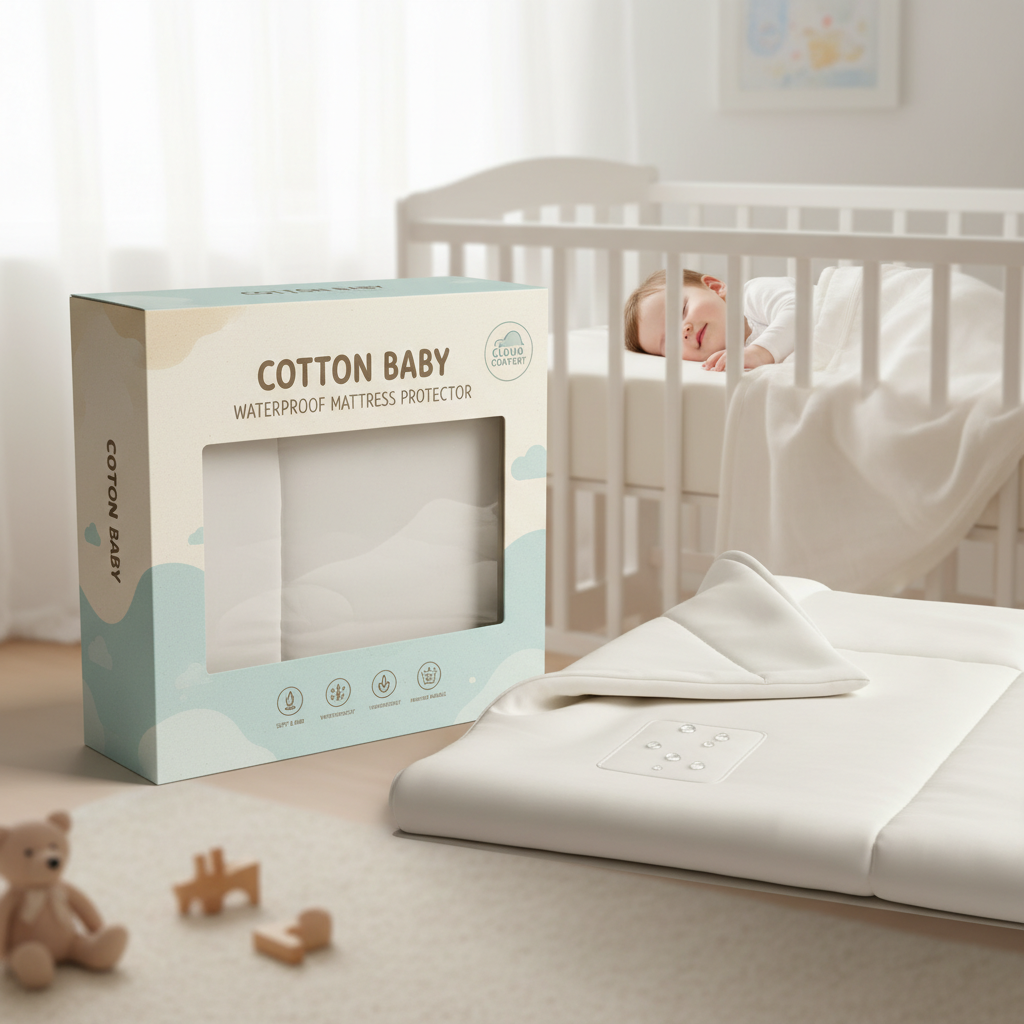
Investing in a high-quality cotton baby waterproof mattress protector is more than just a household purchase; it is a fundamental step in ensuring a hygienic and comfortable sleeping environment for infants. By combining the natural breathability of cotton with advanced moisture-barrier technology, these protectors safeguard expensive crib mattresses from leaks and spills while maintaining a soft touch against sensitive skin.
Across the global bedding industry, there is an increasing shift toward materials that balance functional protection with dermatological safety. Parents today are moving away from purely synthetic plastic sheets, which can cause overheating and skin irritation, in favor of hybrid constructions that prioritize both waterproof efficacy and thermal regulation.
Understanding the technical nuances of a cotton baby waterproof mattress protector allows caregivers to make informed decisions that promote better sleep hygiene. From reducing the growth of mold and mildew in the mattress core to simplifying the exhausting process of midnight laundry, the right protector provides invaluable peace of mind for new parents.
Global Demand for Baby Bedding Protection
The global market for infant textiles has seen a significant surge as health consciousness regarding nursery hygiene reaches new heights. According to industry trends aligned with ISO textile standards, there is a marked increase in the demand for a cotton baby waterproof mattress protector that can prevent the infiltration of fluids into foam and spring mattresses, which are otherwise impossible to deep-clean.
This demand is driven by a growing awareness of allergen accumulation and the risk of bacterial growth in damp mattresses. In regions with high humidity or during winter months when indoor heating dries the air, the ability to maintain a sterile yet breathable sleep surface becomes a critical health requirement for newborns with developing immune systems.
Defining the Cotton Waterproof Hybrid Standard
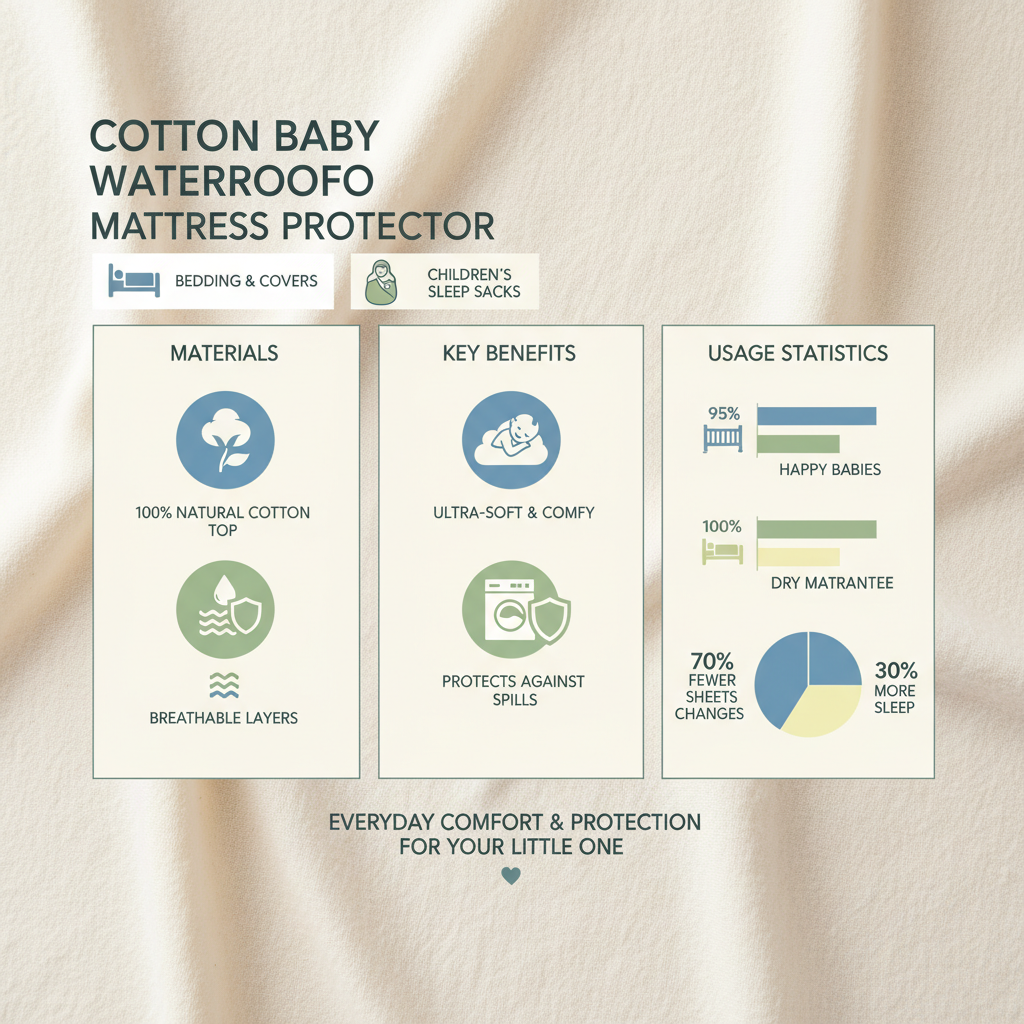
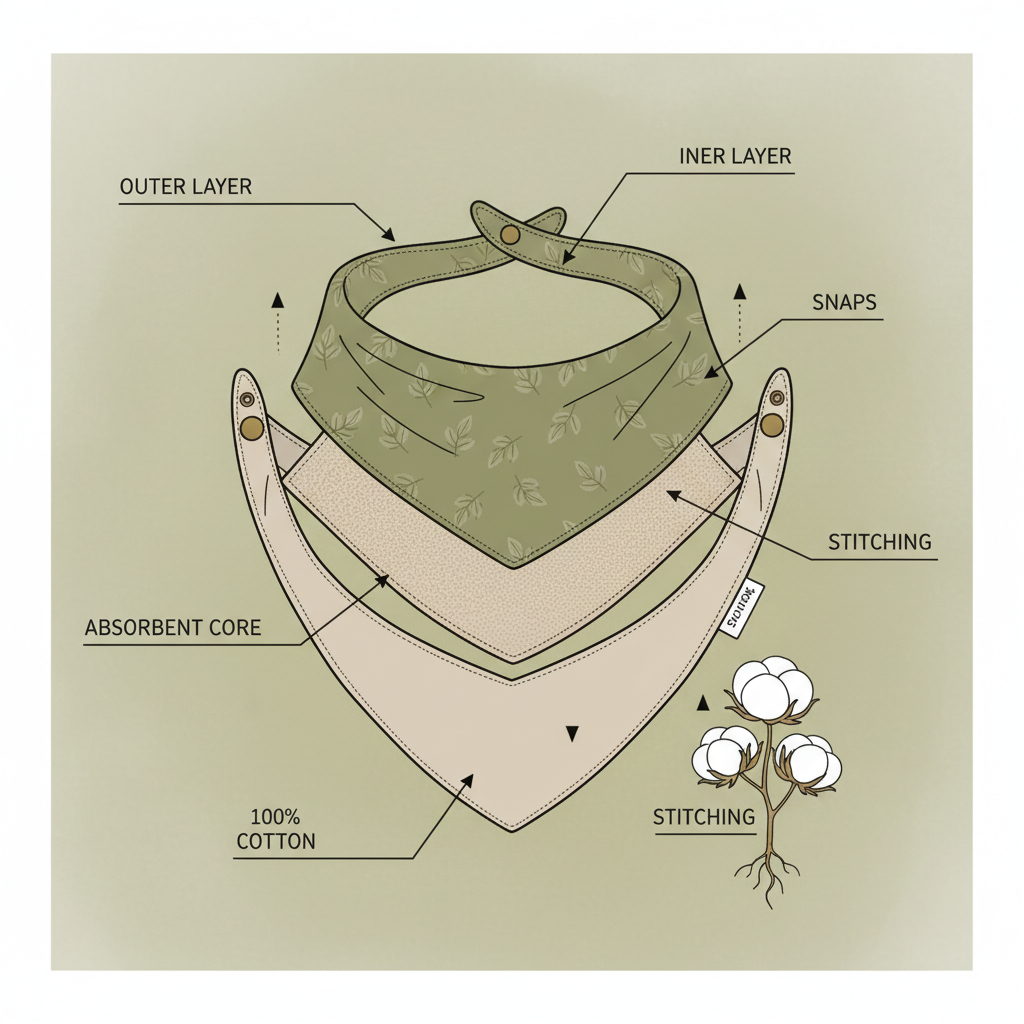
A cotton baby waterproof mattress protector is a specialized textile product designed to provide a dual-layer defense: a soft, absorbent cotton top layer for comfort and a non-porous membrane (typically TPU) on the underside to block liquids. Unlike old-fashioned plastic covers, these modern hybrids are engineered to be "breathable," meaning air molecules can pass through while liquid water molecules are blocked.
This technology addresses the critical humanitarian need for infant safety and skin health. By utilizing cotton, the protector minimizes the risk of contact dermatitis and heat rashes, which are common when infants are placed on 100% synthetic waterproof surfaces. It bridges the gap between medical-grade protection and home-like comfort.
In the context of modern manufacturing, this involves a sophisticated lamination process where the waterproof film is bonded to the cotton fabric without using harmful adhesives. This ensures that the protector remains flexible, quiet (avoiding the "crinkle" sound), and safe for long-term contact with a baby's skin.
Core Components of a Premium Protector
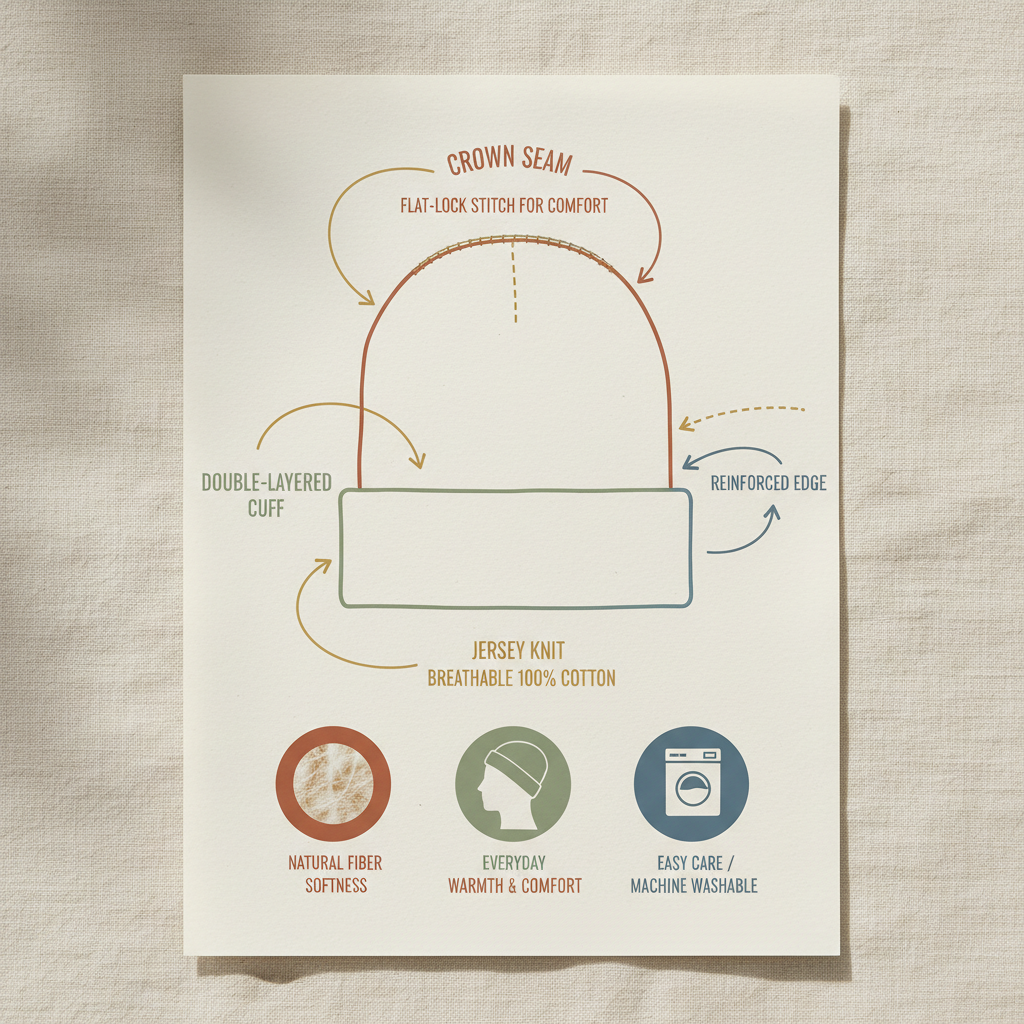
The efficacy of a cotton baby waterproof mattress protector depends largely on its material composition. The top layer usually consists of organic or combed cotton, which provides the necessary absorption to wick moisture away from the baby's skin immediately, preventing the "clammy" feeling associated with lower-quality waterproof sheets.
At the heart of the product is the TPU (Thermoplastic Polyurethane) membrane. This specific component is what makes the cotton baby waterproof mattress protector functionally superior to PVC options, as TPU is phthalate-free and environmentally friendlier, ensuring that no toxic chemicals off-gas into the nursery environment.
Finally, the structural fit—often featuring an elasticized skirt or "fitted sheet" design—is crucial. A secure fit prevents the protector from bunching up, which could otherwise create uneven surfaces and potentially pose a safety risk in a crib. This combination of absorption, blocking, and fit defines the industry gold standard.
Performance Metrics and Durability Analysis
When evaluating the lifespan of a cotton baby waterproof mattress protector, professionals look at "hydrostatic pressure" ratings and wash-cycle resilience. A high-quality protector must maintain its waterproof integrity after dozens of high-temperature washes, which are necessary to eliminate bacteria and odors common in baby bedding.
Durability is not just about the membrane, but also about the cotton's resistance to pilling and the elasticity of the edges. A protector that loses its grip or develops holes in the waterproof layer becomes a liability, potentially leading to the permanent staining of the mattress beneath.
Comparison of Mattress Protection Method Efficacy
Global Applications in Pediatric Care
Beyond the home nursery, the use of a cotton baby waterproof mattress protector is widespread in professional pediatric clinics and neonatal care units. In these environments, the ability to rapidly change and sanitize bedding while ensuring the mattress remains dry is vital for infection control and operational efficiency.
In many developing regions, NGOs and health organizations provide these protectors as part of hygiene kits to reduce the incidence of skin infections among infants. By protecting the bedding from moisture and contamination, these textile solutions contribute to a more dignified and healthier upbringing for children in resource-limited settings.
Long-term Value and Sustainability
The long-term value of a cotton baby waterproof mattress protector is measured by the extension of the mattress's lifespan. A high-end mattress can be a significant investment; by preventing liquid penetration, the protector eliminates the risk of internal mold and foam degradation, potentially saving hundreds of dollars in replacement costs over several years.
From a sustainability perspective, reusable cotton-TPU protectors are vastly superior to disposable absorbent pads. The reduction in landfill waste is substantial when a single, durable protector replaces thousands of single-use plastic sheets. This aligns with the global movement toward "slow consumption" and eco-friendly parenting.
Furthermore, the emotional value cannot be overstated. The trust parents place in a product that protects their child's skin while ensuring a dry sleep environment creates a bond of reliability. When a product performs consistently, it reduces parental stress and promotes a more peaceful home atmosphere.
Future Innovations in Textile Waterproofing
The future of the cotton baby waterproof mattress protector lies in the integration of "smart textiles." We are seeing the emergence of moisture-sensing fabrics that can alert parents via a mobile app when a change is needed, combining traditional waterproof barriers with IoT (Internet of Things) technology.
Sustainability is also driving the development of bio-based waterproof membranes. Researchers are working on alternatives to TPU derived from cornstarch or other plant-based polymers that offer the same waterproof properties but are fully biodegradable at the end of the product's lifecycle.
Additionally, the application of nano-coatings is becoming more prevalent. These coatings can make the cotton fibers themselves hydrophobic without sacrificing breathability, potentially eliminating the need for a separate membrane layer and making the protector even softer and quieter.
Comparative Analysis of Waterproofing Technologies in Baby Bedding
| Material Tech |
Breathability Score |
Waterproof Level |
Eco-Friendliness |
| Standard PVC |
Low (2/10) |
High |
Poor |
| TPU-Laminated Cotton |
Medium (7/10) |
Very High |
Good |
| Polyurethane Coating |
Medium (6/10) |
High |
Fair |
| Nano-Fiber Cotton |
High (9/10) |
Medium |
Very Good |
| Bio-Polymer Hybrid |
High (8/10) |
High |
Excellent |
| Disposable PE |
Very Low (1/10) |
High |
Very Poor |
FAQS
Unlike plastic or PVC covers, a high-quality cotton baby waterproof mattress protector is designed with a breathable TPU membrane. This allows air to circulate while blocking liquids, significantly reducing the risk of overheating and ensuring the baby remains at a comfortable temperature throughout the night.
For optimal hygiene, it is recommended to wash the protector once a week, or immediately after any major leak. Use a mild detergent and avoid bleach to preserve the integrity of the waterproof membrane and the softness of the cotton layer.
Yes, TPU (Thermoplastic Polyurethane) is generally considered much safer than PVC. TPU is phthalate-free, non-toxic, and more environmentally friendly, making it the ideal choice for products that come into direct or indirect contact with an infant's sensitive skin.
It is best to tumble dry on low heat or air dry. Excessive heat from a high-temperature dryer setting can damage the waterproof membrane, causing it to crack or peel, which would compromise the protector's ability to block liquids.
Premium cotton baby waterproof mattress protectors use a thin, flexible TPU film that is bonded to the cotton. This prevents the loud "plastic" crinkling sound associated with cheap PVC covers, ensuring the baby's sleep is not interrupted by noise.
Yes. Even "waterproof" mattresses can leak at the seams or allow moisture to seep through the fabric cover. A dedicated cotton baby waterproof mattress protector provides an extra layer of security and is much easier to wash than the mattress itself.
Conclusion
In summary, the cotton baby waterproof mattress protector represents a critical intersection of textile engineering and pediatric care. By effectively combining the natural comfort and absorbency of cotton with the impenetrable barrier of TPU, these protectors ensure that infants sleep in a hygienic, breathable, and safe environment. From protecting the longevity of the mattress to reducing the environmental impact of disposable products, the benefits are both logical and emotional.
As we move toward a future of smarter, more sustainable textiles, the emphasis will continue to shift toward non-toxic, biodegradable materials that do not compromise on performance. Parents and healthcare providers are encouraged to prioritize certified, breathable protectors to ensure the highest standard of sleep hygiene. For premium, industry-standard bedding solutions, visit our website: www.sthometextile.com.