The humble 100% cotton beanie, often seen as a simple winter accessory, represents a fascinating intersection of textile engineering, global supply chains, and consumer comfort. Its widespread adoption across cultures and climates highlights its practical benefits and versatile appeal. Understanding the nuances of 100% cotton beanie production, from fiber sourcing to final product, is crucial in today’s market, particularly concerning sustainability and ethical sourcing.
Globally, the demand for headwear, including the 100% cotton beanie, is consistently high, driven by seasonal changes, fashion trends, and practical needs. Reports from the World Textile Information Corporation indicate a steady growth in the global knitwear market, with cotton beanies representing a significant segment. However, this demand presents challenges related to responsible cotton farming, fair labor practices, and minimizing environmental impact throughout the manufacturing process.
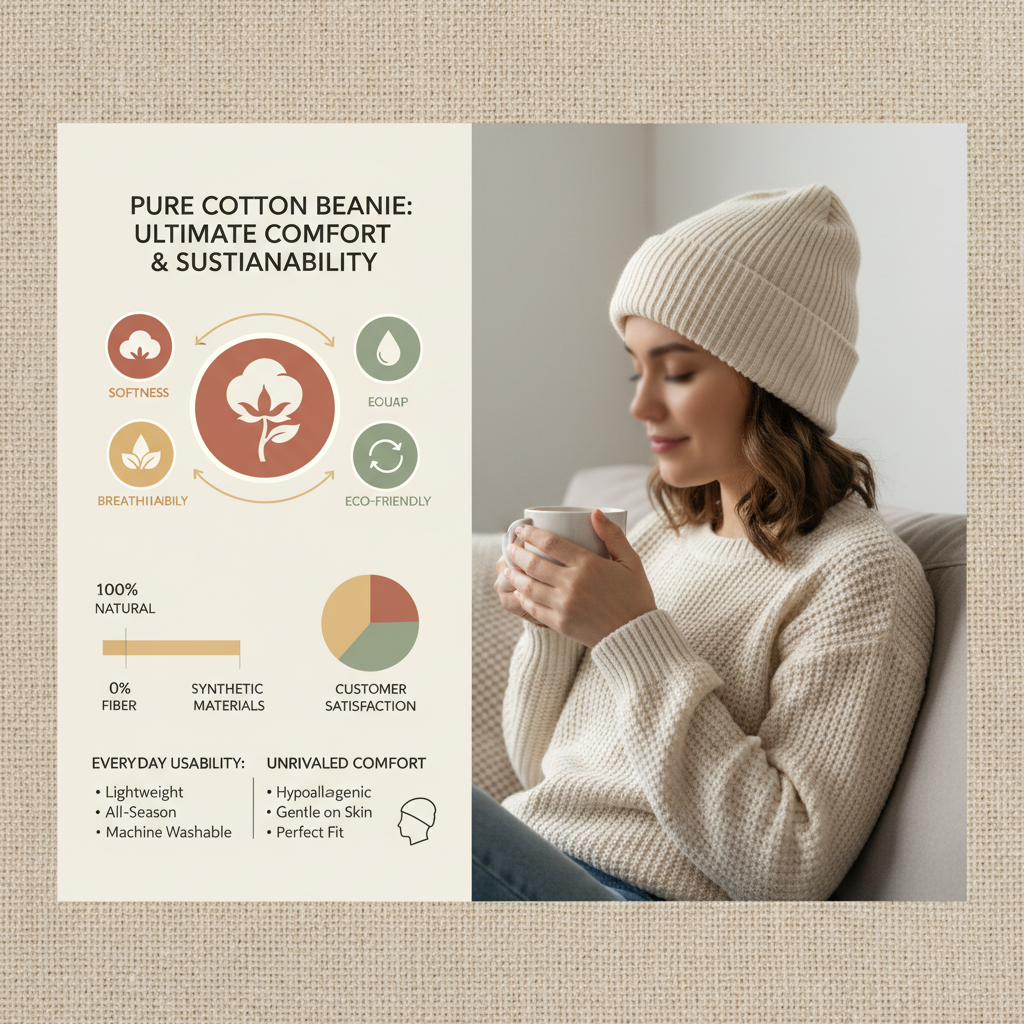
A 100% cotton beanie is a knitted head covering constructed entirely from cotton fibers. Unlike blended materials, a 100% cotton beanie offers breathability, softness, and a natural feel. Its significance extends beyond mere warmth; it’s a staple in various industries, from outdoor recreation and fashion to healthcare and industrial safety. This simple garment addresses a fundamental human need for protection from the elements while also serving as a blank canvas for branding and self-expression.
The Global Significance of 100% cotton beanie
The 100% cotton beanie’s global presence is deeply rooted in its accessibility and functionality. From the frigid peaks of the Himalayas to the bustling streets of New York City, this simple head covering provides essential warmth and protection. The rise of fast fashion and athleisure trends has further amplified its popularity, turning it into a versatile fashion statement.
The demand for cotton beanies contributes significantly to the global cotton industry. According to the International Cotton Advisory Committee (ICAC), cotton remains one of the world’s most important natural fibers, supporting millions of livelihoods across producing countries. However, this reliance also necessitates a focus on sustainable farming practices and fair trade to ensure responsible sourcing.
Defining the 100% cotton beanie
At its core, a 100% cotton beanie is a close-fitting, brimless hat knitted entirely from cotton yarn. This distinguishes it from beanies made from acrylic, wool, or blended materials. The knitting process creates a fabric with inherent elasticity, allowing the beanie to conform to different head sizes and shapes.
Its connection to modern industry lies in its scalability and cost-effectiveness. Cotton is a relatively inexpensive raw material, and knitting is a highly automated process, making mass production feasible. This allows manufacturers to meet the high demands of both retail and wholesale markets, supplying industries ranging from sports apparel to promotional merchandise.
Beyond practical uses, the 100% cotton beanie has become culturally significant. It’s a symbol of casual style, often associated with subcultures and artistic communities. Its adaptability makes it a staple in wardrobes worldwide, bridging gaps in fashion and function.
Key Attributes of a Quality 100% cotton beanie
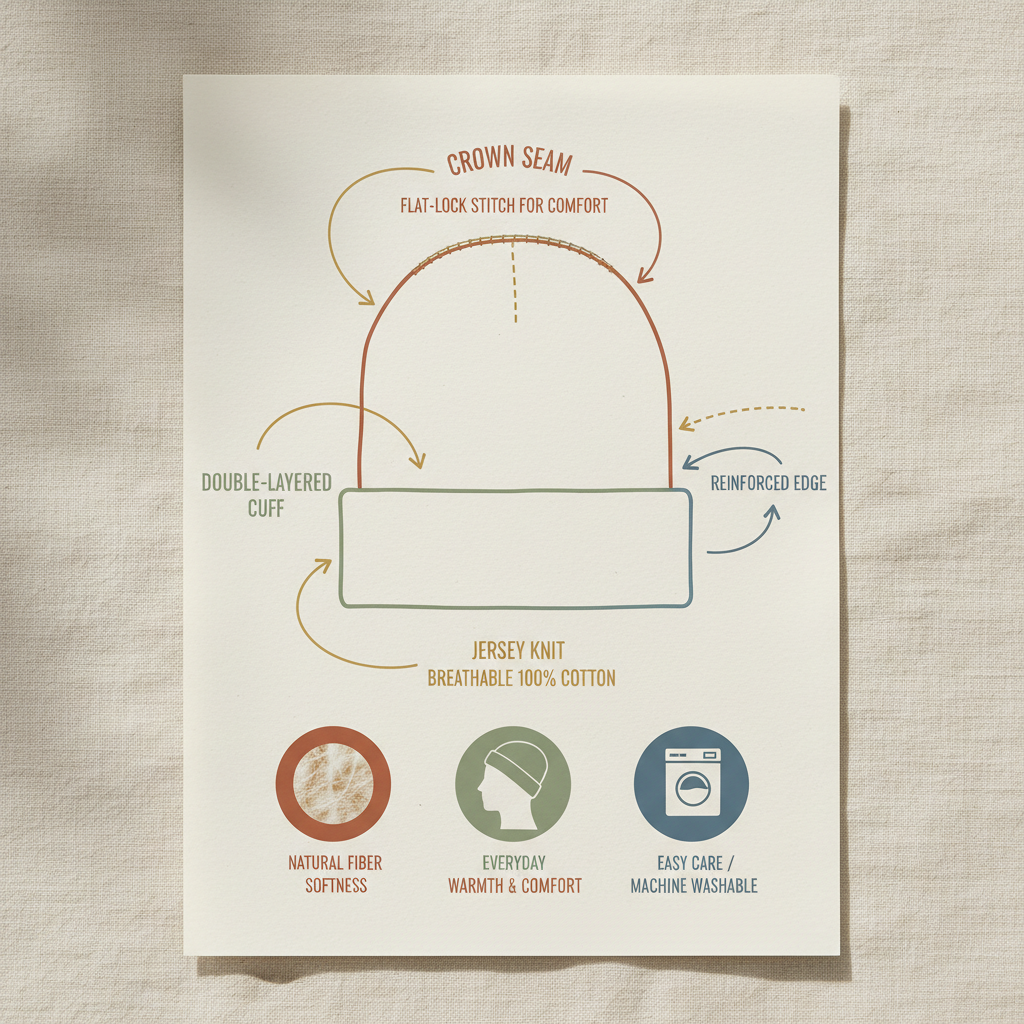
Several factors define the quality of a 100% cotton beanie. First, the type of cotton used is critical; long-staple cotton like Pima or Egyptian cotton results in a softer, more durable fabric. Second, the knitting gauge – the number of stitches per inch – affects the density and texture of the beanie. A tighter gauge generally indicates higher quality.
Durability is another key attribute. A well-constructed 100% cotton beanie should withstand repeated washing and wear without losing its shape or color. Reinforced stitching at the seams and a proper ribbing pattern contribute to longevity. Finally, the dyeing process impacts the colorfastness and overall appearance of the beanie.
Breathability is a significant advantage of 100% cotton. Unlike synthetic materials, cotton allows air to circulate, preventing overheating and moisture buildup. This makes it ideal for various activities, from casual wear to more strenuous physical pursuits.
Practical Applications Across Industries
The 100% cotton beanie finds applications in a diverse range of industries. In the outdoor recreation sector, it provides essential warmth for hikers, skiers, and snowboarders. In healthcare, cotton beanies are used by patients undergoing chemotherapy to minimize hair loss sensitivity.
Industrial settings benefit from 100% cotton beanies as protective headwear, safeguarding workers from debris and minor impacts. The fashion industry embraces the 100% cotton beanie as a versatile accessory, constantly reimagining its style and design.
100% cotton beanie Quality Metrics
Global Applications & Use Cases of 100% cotton beanie
In post-disaster relief operations, 100% cotton beanies provide crucial warmth and comfort to displaced individuals. Organizations like the Red Cross often include them in emergency aid packages. In remote industrial zones, particularly those with cold climates, 100% cotton beanies are standard issue for outdoor workers, ensuring safety and productivity.
The fashion industry utilizes 100% cotton beanies extensively, offering a range of styles, colors, and designs to cater to diverse consumer preferences. From minimalist aesthetics to bold statement pieces, the 100% cotton beanie remains a timeless accessory.
Advantages and Long-Term Value of 100% cotton beanie
The advantages of choosing a 100% cotton beanie are numerous. Cost-effectively, it’s often more affordable than beanies made from premium materials like cashmere or merino wool. Sustainability-wise, cotton is a renewable resource, although responsible sourcing is vital. Socially, supporting ethical cotton farming practices contributes to fair labor standards.
From a logistical perspective, the relatively lightweight nature of 100% cotton beanies simplifies shipping and storage. This is particularly important for organizations involved in large-scale distribution. Emotionally, the simple comfort of a warm beanie can provide a sense of security and well-being, particularly in challenging circumstances.
The long-term value of a well-made 100% cotton beanie lies in its durability and versatility. It's an investment that provides continued protection and comfort over time, reducing the need for frequent replacements.
Future Trends and Innovations in 100% cotton beanie
Future innovations in 100% cotton beanie production focus on sustainability and enhanced performance. The development of organic cotton varieties, coupled with water-saving dyeing techniques, is minimizing the environmental footprint of these garments.
Digital printing technologies allow for greater customization and on-demand production, reducing waste and catering to niche markets. Furthermore, research into incorporating smart textiles – such as conductive yarns for heating elements – could lead to advanced 100% cotton beanies with integrated functionalities.
Policy changes promoting fair trade and responsible sourcing practices will also play a crucial role in shaping the future of the 100% cotton beanie industry, ensuring that it aligns with ethical and sustainable principles.
Summary of Challenges and Solutions for 100% cotton beanie
| Challenge |
Impact on 100% cotton beanie Production |
Proposed Solution |
Expected Outcome |
| Water Usage in Cotton Farming |
High water consumption contributes to environmental stress. |
Implement drip irrigation and water-efficient farming techniques. |
Reduced water footprint and improved sustainability. |
| Pesticide Use in Conventional Cotton Farming |
Harmful to ecosystems and human health. |
Transition to organic cotton farming practices. |
Reduced chemical exposure and healthier ecosystems. |
| Labor Exploitation in Cotton Production |
Unfair wages and unsafe working conditions. |
Promote fair trade certifications and ethical sourcing. |
Improved worker welfare and fairer labor practices. |
| Dyeing Process Environmental Impact |
Water pollution and chemical waste. |
Utilize eco-friendly dyes and water recycling systems. |
Reduced water pollution and minimized environmental harm. |
| Waste Generation during Production |
Fabric scraps and unused materials contribute to landfill waste. |
Implement zero-waste cutting techniques and material recycling programs. |
Minimized waste and increased resource efficiency. |
| Supply Chain Transparency |
Difficulty tracing cotton origins and ensuring ethical practices. |
Employ blockchain technology for supply chain tracking. |
Enhanced transparency and accountability throughout the supply chain. |
FAQS
To maximize the lifespan of your 100% cotton beanie, machine wash it in cold water on a gentle cycle. Avoid using bleach or harsh detergents, as these can damage the fibers. Tumble dry on low heat or, ideally, lay flat to air dry. Proper storage—folded neatly rather than stretched—will also help maintain its shape. Regular, careful washing will help prevent shrinkage and fading, keeping your beanie looking its best for years to come.
While 100% cotton beanies excel in cool to moderate temperatures, they may not be the best choice for extremely wet or freezing conditions. Cotton absorbs moisture, which can lead to discomfort and reduced insulation when wet. For heavier winter weather, consider a blend with wool or synthetic materials for enhanced water resistance and warmth. However, for everyday wear in milder climates, a 100% cotton beanie provides excellent comfort and breathability.
Look for tightly knit beanies with consistent stitch density, as this indicates better durability and warmth. Check the label to confirm it's truly 100% cotton, and consider the type of cotton used—long-staple varieties like Pima or Egyptian cotton offer superior softness. Examine the seams for secure stitching and a smooth finish. A well-made beanie should hold its shape well and feel comfortable against the skin.
100% cotton beanies can be environmentally friendly, provided the cotton is sourced responsibly. Look for organic cotton options, which are grown without harmful pesticides and fertilizers. Sustainable dyeing practices and ethical manufacturing processes also contribute to a lower environmental impact. While cotton production can be water-intensive, innovations like drip irrigation are helping to reduce water usage.
Yes, 100% cotton beanies can shrink, particularly with the first wash. To minimize shrinkage, always wash in cold water on a gentle cycle and avoid high heat when drying. Laying the beanie flat to air dry is the best option. If some shrinkage occurs, gently stretching the beanie back to its original shape while damp can help restore its size. Pre-shrunk cotton options are also available.
Finding a reliable supplier requires careful research. Look for companies that prioritize ethical sourcing and sustainable manufacturing practices. Online marketplaces like Alibaba or specialized apparel sourcing platforms can connect you with various suppliers. Checking customer reviews and requesting samples are essential steps to ensure quality and reliability. You can also explore suppliers committed to certifications like GOTS (Global Organic Textile Standard) for assurance of organic cotton.
Conclusion
In conclusion, the 100% cotton beanie, despite its simplicity, represents a complex intersection of material science, global economics, and consumer demand. Its versatility, affordability, and comfort have solidified its position as a staple accessory worldwide. Understanding the nuances of cotton sourcing, manufacturing processes, and sustainable practices is crucial for ensuring responsible production and consumption.
Looking ahead, innovations in organic cotton farming, eco-friendly dyeing techniques, and smart textile integration promise to enhance the 100% cotton beanie's performance and sustainability. By prioritizing ethical sourcing and embracing technological advancements, we can continue to enjoy the benefits of this timeless garment while minimizing its environmental impact. Visit our website to explore our range of high-quality beanies: 100% cotton beanie.