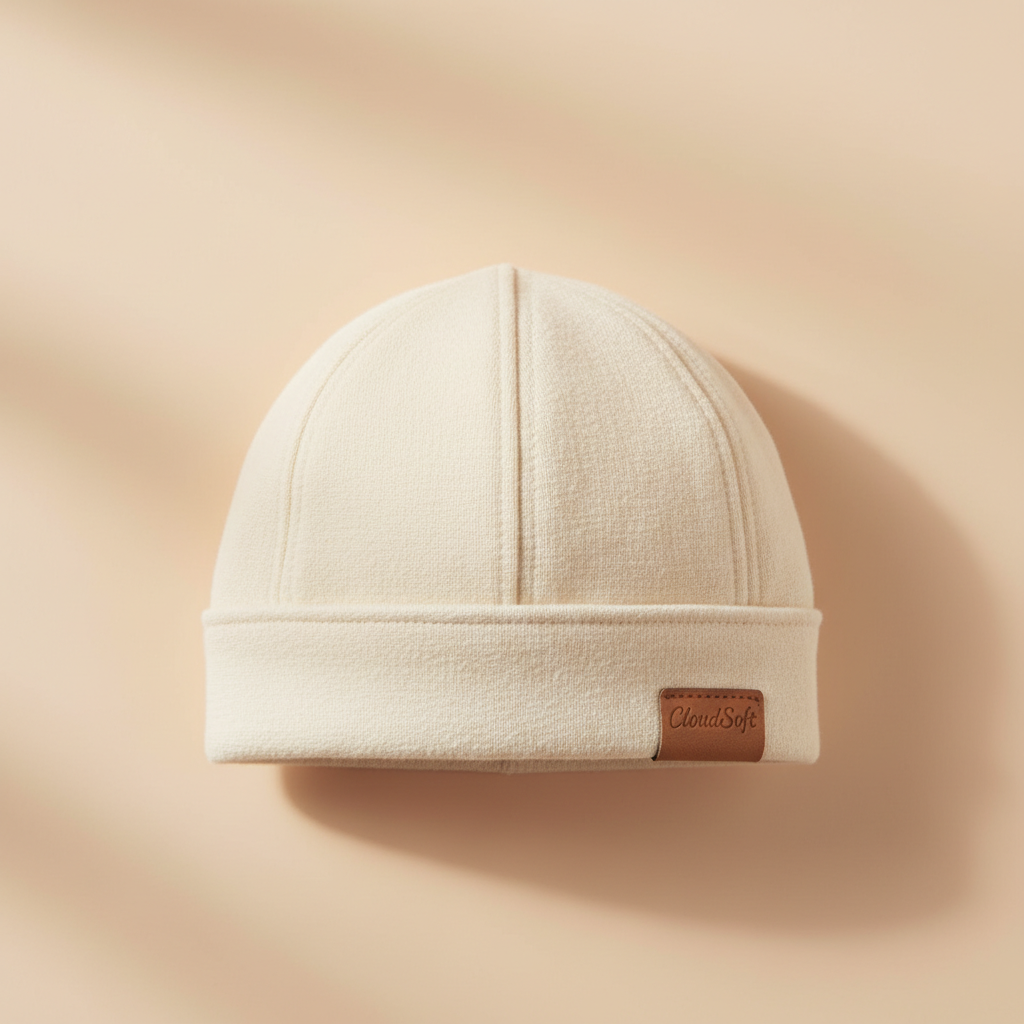
The humble beanie, a simple knitted cap, has transcended its origins as a mere winter accessory to become a globally recognized symbol of warmth, practicality, and style. Its enduring relevance stems from its adaptability and affordability, making it a staple across diverse climates and cultures. Understanding the nuances of beanie design, materials, and production is crucial for industries ranging from fashion and outdoor gear to humanitarian aid and retail.
The global beanie market is substantial and growing, driven by factors like increasing outdoor recreation, fashion trends, and a heightened awareness of protective headwear. According to industry reports, the global knitted wear market (which includes beanies) was valued at over $240 billion in 2023 and is projected to continue expanding. However, challenges remain regarding sustainable sourcing of materials, ethical labor practices, and ensuring consistent quality across different price points.
This exploration will delve into the multifaceted world of the beanie, examining its core components, applications, advantages, and future trends. From its historical roots to its modern iterations, we’ll uncover why the beanie continues to be a significant element in our daily lives and a critical item in various global contexts.
The Defining Characteristics of a beanie
At its core, a beanie is a close-fitting, brimless cap, typically made from soft materials like wool, acrylic, or cotton. Its defining characteristic is its simplicity – a seamless construction designed to provide warmth and comfort. Modern beanies come in a vast array of styles, including cuffed beanies, slouchy beanies, and pom-pom beanies, catering to diverse aesthetic preferences.
The fundamental purpose of a beanie remains consistent: to insulate the head against cold weather. However, beyond mere functionality, the beanie has become a powerful fashion statement, often reflecting personal style and cultural affiliation. The materials used directly impact its thermal properties, breathability, and overall durability, making material selection a crucial aspect of beanie design.
A Historical Perspective on the beanie
The origins of the beanie can be traced back to the working-class communities of the 19th and early 20th centuries. Originally, they were practical head coverings worn by laborers and miners to protect against harsh conditions. The term "beanie" itself emerged in the early 20th century, becoming widely adopted in the United States.
During the mid-20th century, the beanie experienced a surge in popularity among teenagers and young adults, evolving from a purely functional item to a fashion accessory. Different styles, like the propeller beanie, became iconic symbols of youth culture. This association with rebellion and individuality cemented its place in popular culture.
Throughout the decades, the beanie has continued to evolve, adapting to changing fashion trends and technological advancements in textile production. From its humble beginnings, it has become a ubiquitous garment worn globally, signifying both practicality and personal expression.
Core Components of beanie Construction
The construction of a beanie involves several key components, starting with the yarn itself. Common materials include wool (renowned for its warmth and breathability), acrylic (a cost-effective and durable synthetic alternative), and cotton (offering comfort and lightweight wear). The type of yarn significantly impacts the beanie’s overall performance and texture.
The knitting process is equally important. Beanies are typically knitted in a circular fashion, resulting in a seamless construction that enhances comfort and reduces irritation. Different knitting patterns, such as ribbing, contribute to the beanie's elasticity and fit. More complex designs may involve intarsia or fair isle techniques for decorative patterns.
Finally, finishing touches like a cuffed edge, a pom-pom, or embroidered logos add style and personality. Quality control measures throughout the production process are essential to ensure the beanie's durability, shape retention, and overall aesthetic appeal.
beanie Performance Metrics and Standards
Assessing the quality of a beanie involves evaluating several performance metrics. Thermal resistance, measured in clo units, indicates its ability to retain heat. Breathability, often assessed through moisture vapor transmission rate (MVTR), determines how well it allows perspiration to escape.
Durability is gauged by factors such as abrasion resistance and pilling resistance, ensuring the beanie withstands regular wear and tear. Standards organizations like ISO and ASTM have established testing methods for evaluating these properties.
beanie Quality Assessment
Global Applications of the beanie
The applications of a beanie are remarkably diverse. In cold-weather regions, they are essential for protecting individuals from hypothermia, used extensively by outdoor workers, hikers, and skiers. In post-disaster relief operations, beanies are often distributed to provide warmth and comfort to affected populations.
Within the fashion industry, beanies are a staple accessory, appearing in seasonal collections and streetwear trends. They are also commonly used as promotional items by businesses and organizations. Furthermore, specialized beanies, such as those with reflective materials or integrated technology, cater to specific needs in industries like construction and emergency services.
Advantages and Long-Term Value of beanies
The advantages of using a beanie are multifaceted. From a practical standpoint, they offer cost-effective warmth and protection against the elements. Their compact size makes them easy to carry and store, making them ideal for travel and emergency preparedness.
Beyond functionality, beanies offer a significant aesthetic appeal, allowing individuals to express their personality and style. Durable, well-maintained beanies can provide years of service, representing a long-term value proposition. Moreover, choosing sustainably sourced beanies contributes to environmental responsibility and ethical consumerism.
The psychological benefit of feeling warm and comfortable shouldn't be overlooked. A beanie can provide a sense of security and well-being, particularly in challenging weather conditions.
Future Trends and Innovations in beanie Technology
The future of beanie design is poised for innovation. Expect to see increased integration of smart textiles, incorporating features like heating elements, sensors for monitoring body temperature, and even Bluetooth connectivity for audio integration.
Sustainable materials, such as recycled polyester and organic cotton, will become increasingly prevalent, driven by growing consumer demand for eco-friendly products. Advances in 3D knitting technology will enable more complex designs and customized fits.
Furthermore, research into bio-based yarns and innovative insulation materials will enhance the thermal performance and environmental sustainability of beanies. Digital printing techniques will allow for greater customization and on-demand production.
Summary of Emerging beanie Technologies
| Technology |
Material Impact |
Performance Enhancement |
Implementation Cost |
| Smart Textiles |
Requires conductive yarns and integrated electronics. |
Heating, temperature sensing, connectivity. |
High |
| Recycled Polyester |
Utilizes plastic waste, reducing environmental impact. |
Offers comparable durability to virgin polyester. |
Moderate |
| 3D Knitting |
Allows for customized shapes and patterns. |
Improved fit, reduced material waste. |
Moderate to High |
| Bio-based Yarns |
Derived from renewable resources like corn or seaweed. |
Reduced carbon footprint, enhanced biodegradability. |
Moderate to High |
| Digital Printing |
Enables complex designs and on-demand customization. |
Reduced waste, faster turnaround times. |
Low to Moderate |
| Advanced Insulation |
Utilizes aerogels or other high-performance materials. |
Superior thermal retention, lightweight construction. |
High |
FAQS
The warmest beanies are typically made from 100% merino wool due to its excellent insulation properties and ability to regulate temperature. Other warm options include cashmere and blends of wool with synthetic fibers like acrylic. The density of the knit also plays a role – a tighter knit provides better insulation. Consider factors like wind resistance as well when choosing a warm beanie for outdoor activities.
To prevent a wool beanie from shrinking, hand washing is always the best option. Use cold water and a mild detergent specifically designed for wool. Avoid rubbing or twisting the beanie vigorously. Gently squeeze out excess water, then lay it flat to dry on a clean towel. Never put a wool beanie in the dryer, as the heat will cause it to shrink and felt. Storing it folded, rather than stretched, also helps maintain its shape.
Acrylic beanies are generally not as warm as wool beanies, although they can still provide significant warmth. Wool fibers have a natural crimp that traps air, creating better insulation. Acrylic is a synthetic fiber that doesn't have the same insulating properties. However, acrylic beanies are often more affordable and easier to care for than wool beanies. Blends of acrylic and wool can offer a good balance of warmth, affordability, and durability.
A well-made beanie will have consistent stitching with no loose ends or unraveling. The knit should be dense and even, without any noticeable gaps. The shape should hold well, and the beanie shouldn't stretch out of shape easily. Also, check the quality of the yarn – it should feel soft and durable, not scratchy or flimsy. Reputable brands often provide detailed care instructions, indicating quality and attention to detail.
A cuffed beanie has a folded-over brim that can be worn pulled down over the ears for extra warmth or pushed up for a more relaxed look. A slouchy beanie, on the other hand, is designed to be looser and more relaxed, with extra fabric at the crown that creates a "slouch" effect. The choice between the two is largely a matter of personal preference and style. Cuffed beanies are more versatile, while slouchy beanies offer a more casual and trendy appearance.
Machine washing a beanie with a pom-pom is generally not recommended, as it can damage the pom-pom. The pom-pom is often loosely attached and can become detached or misshapen in the washing machine. Hand washing is the safest option. If you must use a washing machine, place the beanie inside a mesh laundry bag to protect the pom-pom and use a gentle cycle with cold water. Air drying is essential to prevent damage.
Conclusion
In conclusion, the beanie is far more than a simple head covering. It's a testament to functional design, adaptable fashion, and enduring practicality. From its historical roots in working-class culture to its modern iterations incorporating innovative technologies, the beanie continues to evolve and remain relevant in a globalized world. Understanding its core components, performance metrics, and applications allows for informed choices and appreciation of its versatile nature.
Looking ahead, the future of the beanie promises exciting advancements in materials, construction, and functionality. By embracing sustainable practices and innovative technologies, the beanie can continue to provide warmth, comfort, and style while minimizing its environmental impact. Visit our website at www.sthometextile.com to explore our collection of high-quality beanies and discover the perfect fit for your needs.