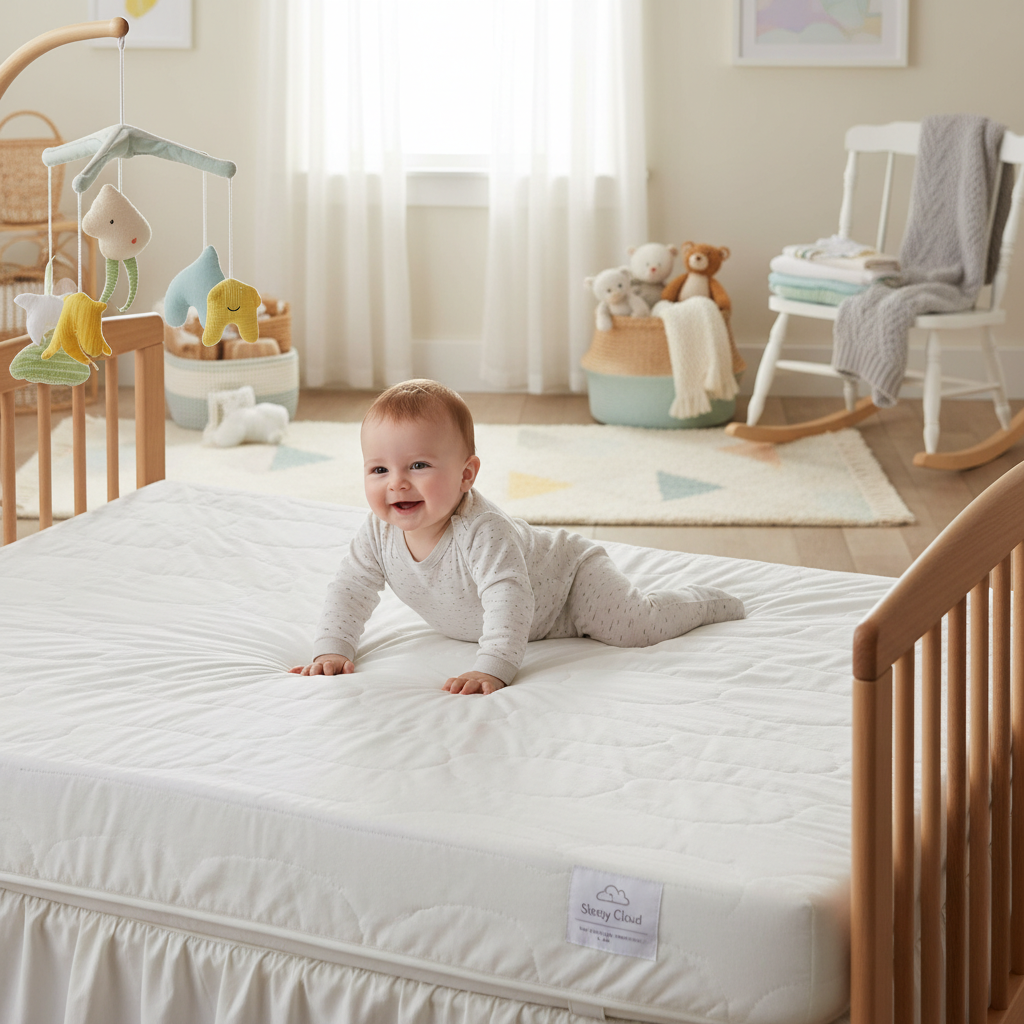
A good baby mattress protector isn't just a nice-to-have; it’s essential kit for any new parent. I’ve spent years on construction sites, dealing with materials that need to withstand a beating, and let me tell you, a baby’s mattress gets just as much – if not more – wear and tear. Spills, messes, and just general daily life mean a mattress protector is the first line of defense against damage and keeps things hygienic. It’s about protecting your investment, sure, but more importantly, it’s about creating a safe and healthy sleep environment for your little one. Believe me, a clean, dry mattress contributes massively to a peaceful night's sleep for everyone.
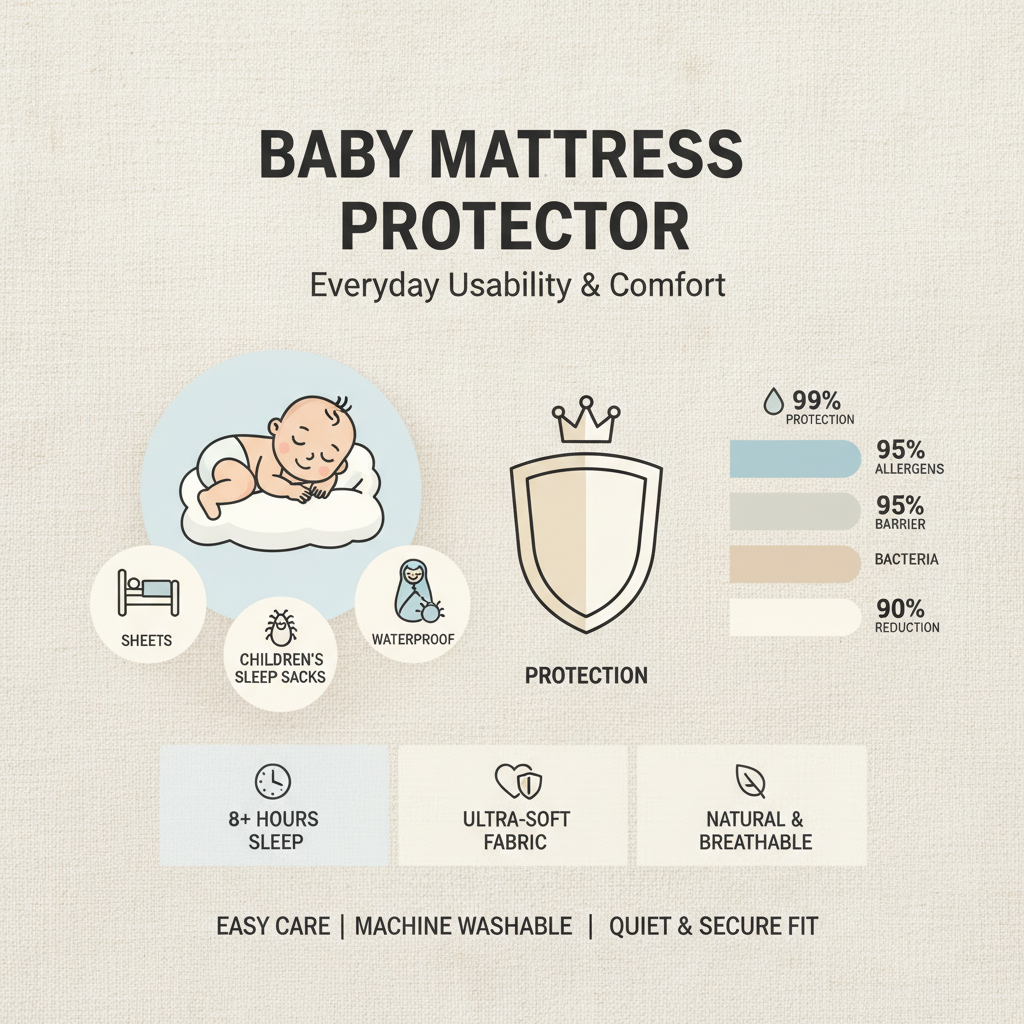
You wouldn't build a house on a shaky foundation, would you? Same principle applies here. A quality baby mattress protector isn’t just a cover; it's a barrier. It guards against allergens, dust mites, and even moisture that can lead to mold growth. I've seen firsthand the impact of poor ventilation and dampness in building projects, and the consequences aren’t pretty. That's why understanding the materials and construction of these protectors – waterproof layers, breathable fabrics, and secure fits – is crucial. It’s about more than comfort; it’s about preventative maintenance for your baby’s sleep space.
And honestly, parents are busy. They don’t have time for constantly cleaning and worrying about their baby's mattress. A good protector simplifies life, making cleanup a breeze. It's a practical solution that gives peace of mind. This isn't just sales talk; I've talked to countless parents who swear by them, and I’ve seen the difference they make in keeping nurseries clean and hygienic. That's where baby mattress protector comes into play - making life a little easier.
The Importance of a Baby Mattress Protector
Look, I’ve spent my career looking at structures that need protection from the elements, and a baby's mattress is no different. It’s facing a constant barrage of potential hazards – spit-up, leaky diapers, even just general messes. A baby mattress protector creates a vital barrier, extending the life of the mattress and safeguarding it from these everyday occurrences. Without one, you’re looking at potentially replacing a mattress much sooner than necessary, and nobody wants that.
Beyond the financial aspect, there's the health factor. A protector keeps dust mites, allergens, and bacteria at bay, contributing to a cleaner and healthier sleep environment for your baby. From a construction standpoint, it's like waterproofing a foundation – it prevents issues before they even start. And a well-rested baby equals happy parents – it’s a win-win.
Understanding Different Types of Baby Mattress Protectors
You've got your standard waterproof protectors, then you have options with extra padding for added comfort. Then there are those made with organic cotton or bamboo for families prioritizing natural materials. As someone who deals with material specs all day, I can tell you it’s about finding the right balance between functionality, comfort, and your personal preferences. Each material has its own pros and cons; it's about choosing what fits your needs.
I’ve seen protectors with different levels of waterproofing too. Some are fully waterproof, completely blocking any liquids, while others are water-resistant, offering some protection but potentially allowing small amounts of moisture through. Consider your baby’s tendencies – if they’re prone to heavier wetness, a fully waterproof protector is the way to go.
And don't overlook the fit. A snug, secure fit is crucial. A loose protector can bunch up and create a safety hazard, or simply not provide adequate protection. Look for protectors with elasticized edges or fitted sheet style designs that stay put. Just like a good seal on a building, the fit is paramount.
Key Materials and Construction
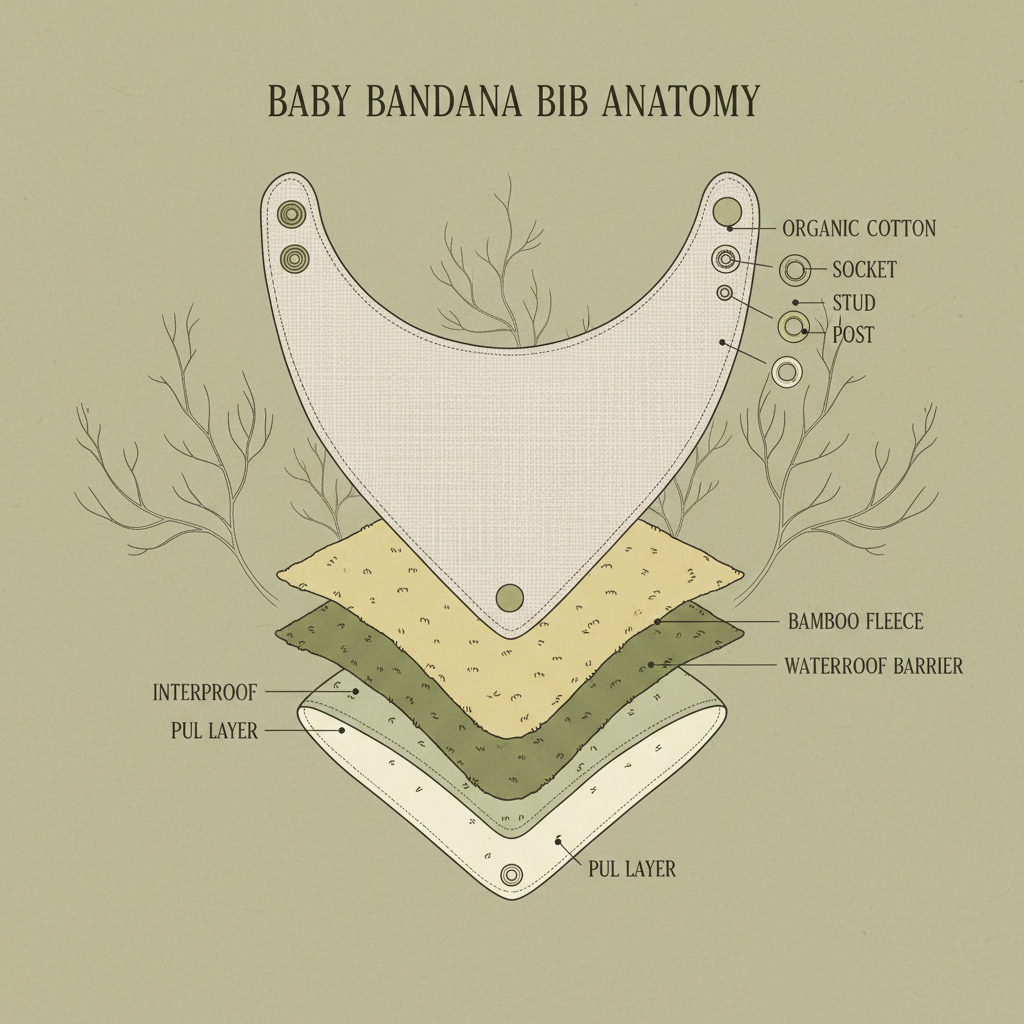
The materials used in a baby mattress protector are critical. Polyurethane laminate (PUL) is a common waterproof layer, and it's pretty durable. However, it's not breathable. That’s where options like those using a thin polyurethane film bonded to a breathable fabric come in—they offer waterproofing without trapping heat. Just like choosing the right membrane for a building's vapor barrier, breathability is key.
The outer layer is also important. Cotton is comfortable and relatively inexpensive, but it doesn’t wick away moisture very well. Bamboo is naturally absorbent and hypoallergenic, making it a good choice for sensitive skin. And organic cotton is a step up for those wanting a chemical-free option. It's similar to choosing between different types of cladding on a building - each has its advantages.
Construction quality matters, too. Look for protectors with tightly stitched seams to prevent leaks. A well-made protector will withstand repeated washing and use without falling apart. I’ve seen protectors where the seams were just… sloppy. That’s a red flag. You want something built to last, just like any other investment.
Performance Metrics & Standards for Baby Mattress Protectors
When I look at any building material, I'm checking specs. With baby mattress protectors, it’s about waterproofness, breathability, and flammability. Manufacturers should be able to provide data on water resistance – measured in millimeters of water column – and breathability – measured in grams of moisture vapor transmission per square meter per 24 hours.
There aren’t strict industry-wide standards specifically for baby mattress protectors, which is why it's important to look for certifications like Oeko-Tex Standard 100, which confirms the absence of harmful substances. Understanding these metrics allows you to compare products and make an informed decision.
Baby Mattress Protector Performance Comparison
Global Market Trends and Regional Variations
The demand for baby mattress protectors is growing globally, driven by increasing awareness of hygiene and health, and a rise in disposable incomes. North America and Europe are currently the largest markets, but Asia-Pacific is seeing rapid growth. I’ve been watching the trends, and it’s clear that eco-friendly options are gaining traction everywhere.
Regional variations exist too. In colder climates, protectors with added thermal insulation are popular. In warmer regions, breathability is the primary concern. Manufacturers are adapting their products to meet these specific regional needs. You see a lot of focus on natural materials like bamboo in areas with high humidity.
Benefits and Long-Term Cost Savings
The initial cost of a quality baby mattress protector might seem like an extra expense, but it’s a smart investment in the long run. By protecting your mattress from stains, spills, and damage, you extend its lifespan, delaying the need for a costly replacement. Think of it like preventative maintenance – it saves you money in the long run.
Beyond the financial benefits, there’s the peace of mind knowing you’re providing a safe and hygienic sleep environment for your baby. That’s priceless. And a cleaner mattress means fewer allergens and dust mites, potentially reducing the risk of allergies and respiratory problems.
It’s a win-win. It offers both tangible cost savings and intangible benefits related to your baby’s health and well-being.
Future Innovations in Baby Mattress Protector Technology
I'm seeing a lot of exciting developments in materials science. We're talking about new waterproof membranes that are even more breathable, and fabrics with built-in antimicrobial properties. Smart textiles that can detect moisture levels and adjust ventilation are also on the horizon.
There's also a push towards more sustainable materials – recycled fabrics, plant-based polymers, and biodegradable options. Consumers are demanding eco-friendly products, and manufacturers are responding. The goal is to create protectors that are not only effective but also environmentally responsible.
And I wouldn’t be surprised to see more integration with smart home technology – protectors that can connect to apps and provide data on sleep patterns and environmental conditions. It's all about optimizing the sleep environment for your baby.
Summary of Key Attributes for Selecting an Optimal Baby Mattress Protector
| Material Composition |
Waterproof Rating |
Breathability Score (1-10) |
Durability & Washability |
| 100% Organic Cotton |
Water-Resistant |
8 |
Good, up to 50 washes |
| PUL with Cotton Top |
Fully Waterproof |
6 |
Excellent, up to 100 washes |
| Bamboo Viscose |
Water-Resistant |
9 |
Very Good, up to 75 washes |
| Polyester with Waterproof Membrane |
Fully Waterproof |
4 |
Good, up to 60 washes |
| Microfiber with TPU |
Fully Waterproof |
5 |
Excellent, up to 120 washes |
| Organic Cotton with Waterproof Layer |
Fully Waterproof |
7 |
Very Good, up to 80 washes |
FAQS
Waterproof protectors create a complete barrier against liquids, preventing any moisture from reaching the mattress. Water-resistant protectors repel water to a certain extent but may allow small amounts to seep through over time. For babies prone to messes, a waterproof protector is the better choice. Think of it like the difference between a sealed roof and one that just sheds water.
Ideally, you should wash your baby mattress protector every 1-2 weeks, or more frequently if there are any accidents. Regular washing helps remove allergens, dust mites, and bacteria, keeping the sleep environment clean and healthy. Always follow the manufacturer’s instructions for washing and drying.
Not all protectors are hypoallergenic, but many are. Look for protectors made from hypoallergenic materials like organic cotton or bamboo, or those with certifications like Oeko-Tex Standard 100. These certifications indicate that the protector has been tested for harmful substances and is suitable for sensitive skin.
You'll need a protector that matches the size of your baby's mattress (crib, bassinet, etc.). Always check the mattress dimensions before purchasing a protector to ensure a snug and secure fit. A poorly fitting protector can bunch up and pose a safety hazard.
While a waterproof sheet can offer some protection, a dedicated baby mattress protector is specifically designed to fit a mattress snugly and provide a comprehensive barrier against liquids, allergens, and dust mites. It's a more specialized and effective solution for protecting your baby's sleep environment.
It's best to avoid protectors containing PVC, phthalates, and other potentially harmful chemicals. Look for protectors made from natural materials like organic cotton or bamboo, or those with certifications that guarantee they're free of hazardous substances. You want to ensure a safe and non-toxic sleep environment for your baby.
Conclusion
In essence, a baby mattress protector is a non-negotiable item for any new parent. It's about safeguarding your investment, ensuring a hygienic sleep environment, and providing peace of mind. Understanding the different types of protectors, the materials used, and the performance metrics will allow you to make an informed decision that best suits your needs and your baby’s health.
Looking ahead, expect to see continued innovation in this space, with a focus on sustainable materials, smart technologies, and enhanced performance. A well-chosen baby mattress protector isn't just a purchase; it's an investment in your baby’s well-being and a smoother, more restful experience for the whole family. Visit our website at www.sthometextile.com to explore our range of high-quality protectors and find the perfect fit for your needs.