You know, I've been running around construction sites for twenty years, and these days everyone's talking about 'smart' bibs. Seriously, smart. Like a baby needs Bluetooth. But to be honest, it’s not about the baby, it’s about the parents wanting every data point, every drool drop analyzed. Makes you wonder, doesn’t it? It all started about two years ago, with a surge in demand for materials that are easy to clean and hypoallergenic. Everyone's got allergies now, or claims to have allergies. Anyway, I think the biggest change is the push for sustainability. Everything's gotta be organic, recycled, biodegradable… which is great, but adds a whole layer of complexity.
I’ve seen so many designs come and go. What a lot of designers don't realize – and believe me, I’ve pointed this out to a few – is that a bib isn’t just about looking cute. It’s about functionality. You can put a fancy ruffle on it, but if it doesn’t actually catch the puree, it’s useless. I encountered this at a factory in Zhejiang last time – they'd made these gorgeous silk bibs. Silk! Who puts a silk bib on a baby? It was a disaster. They were beautiful, yes, but completely impractical. The whole thing needs to be thoroughly waterproof, and not just on the front. The back needs to be considered, you know, the neck area where it bunches up.
These days, we’re using a lot of food-grade silicone, that’s a big one. Feels a little…rubbery, smells faintly of nothing, really. But it’s tough, easy to wipe down, and doesn't absorb anything. We're also seeing a lot of organic cotton blends. It's softer, more comfortable, but it stains. Always stains. Then there’s TPU, which is a plastic film that's layered onto the cotton to make it waterproof. That's where things get tricky. It's got to be bonded properly, or it peels. Strangely, the cheaper the TPU, the more likely it is to fail. You get what you pay for, you know.
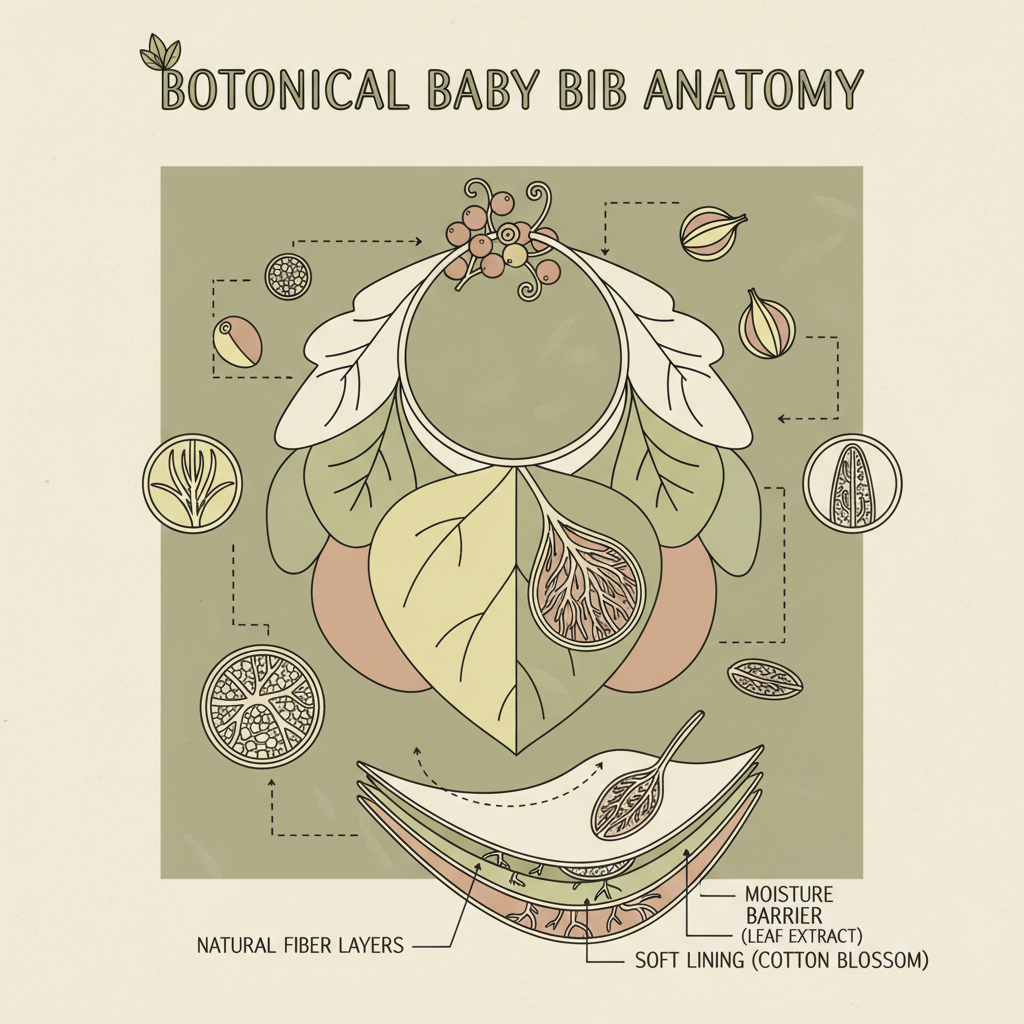
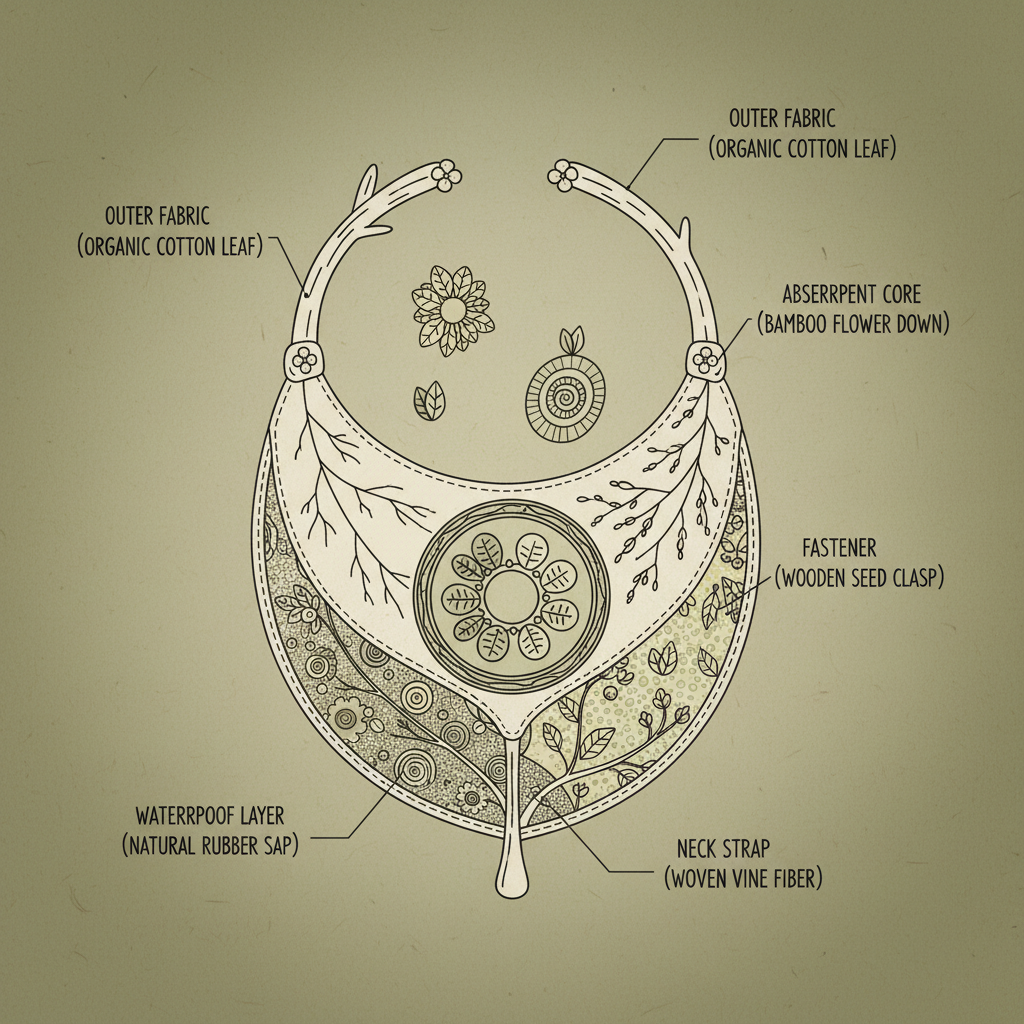
Have you noticed how everyone's obsessed with antimicrobial finishes? It's all the rage. They’re spraying everything with silver ions now, claiming it kills 99.9% of germs. I’m not convinced. Seems like marketing hype to me, but it sells. And of course, the push for biodegradable materials is massive. People want to feel good about what they’re buying, and if they can toss a bib in the compost bin, that’s a win. But biodegradable plastics are…temperamental. They don’t hold up to repeated washing, and they can break down prematurely. It’s a trade-off, always a trade-off.
Another big trend is personalization. Parents want to put their kid’s name on everything. Everything. Embroidery, heat transfer vinyl, even laser engraving. It’s a small detail, but it makes a difference, you know? It makes it theirs.
If your baby has sensitive skin, organic cotton is generally the best choice. It’s naturally soft, breathable, and less likely to cause irritation. Silicone is also a good option as it's non-porous and hypoallergenic, but some babies might find it a little less comfortable against their skin. Avoid bibs with harsh dyes or scratchy textures. We always recommend washing new bibs before first use to remove any residual chemicals.
That depends on how messy your baby is! Generally, you should wash a bib after each use, especially if it’s been exposed to food or drool. Silicone bibs are easy to wipe clean between washes. Cotton bibs should be laundered with your other baby clothes. Remember to check the care label for specific instructions. A stained bib isn’t necessarily a health hazard, but it can harbor bacteria.
Waterproof bibs are extremely useful, especially during the early stages of weaning when babies are prone to creating a lot of mess. They prevent food and liquids from soaking through to your baby’s clothes. However, they’re not essential. A good quality cotton bib with a waterproof backing can also be effective. It really comes down to your personal preference and your baby’s messiness level.
Bib sizing can vary between brands, so it's always best to check the size chart. Generally, a bib should cover the area from the neck to the chest, and the neck closure should be snug but not too tight. You want to ensure it doesn’t ride up and cause discomfort. As your baby grows, you'll need to move up to larger sizes. A bib that's too small won't provide adequate coverage.
Silicone bibs are super easy to clean! You can simply wipe them down with a damp cloth and mild soap. For a more thorough clean, you can put them in the dishwasher (top rack is usually recommended). They’re also boiling water safe, if you're really concerned about sterilizing them. Just make sure they're completely dry before storing them.
While bleach can be effective for disinfecting, it’s generally not recommended for baby bibs, especially those made from organic cotton or other delicate materials. Bleach can damage the fibers and leave behind residue that could irritate your baby’s skin. If you need to disinfect a bib, consider using a baby-safe disinfectant or washing it on a hot cycle with a good quality detergent.
So, yeah, baby bibs. Seems simple, right? But there’s a lot more to it than meets the eye. From material selection and design considerations to real-world testing and customization options, it’s a surprisingly complex product. Ultimately, it’s about protecting the baby and making life a little easier for the parents. And frankly, it’s about keeping the mess contained.
Look, these fancy innovations and trends are great, but at the end of the day, a good bib is a simple thing. It needs to be durable, easy to clean, and functional. Ultimately, whether this thing works or not, the worker will know the moment he tightens the screw.