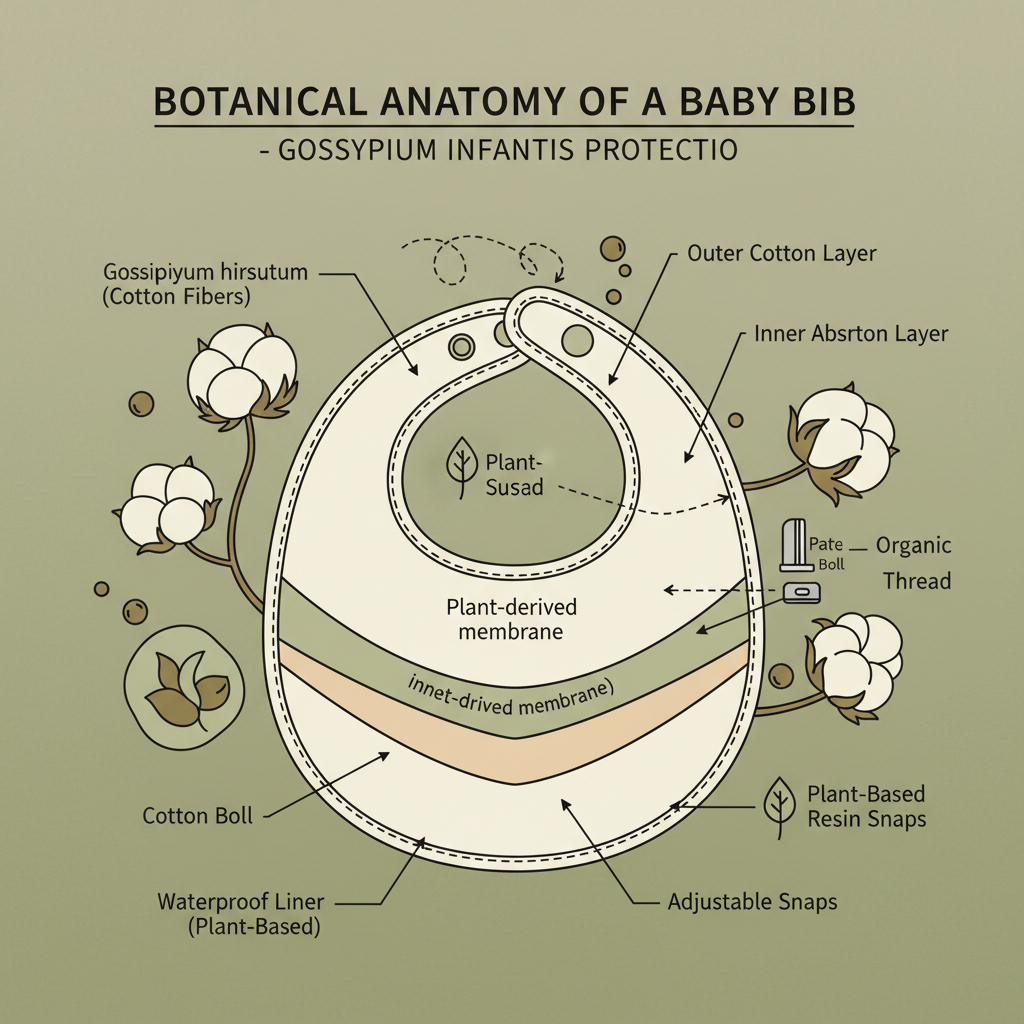
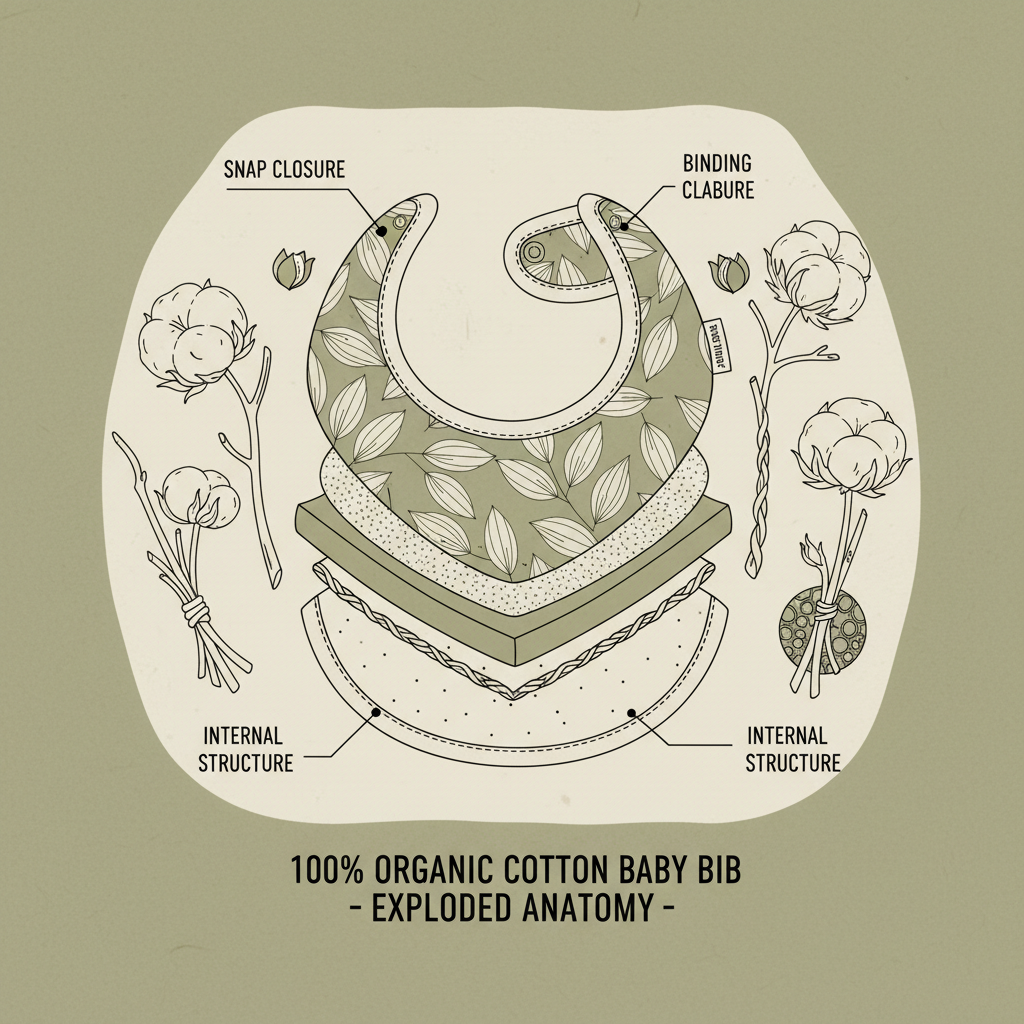
To be honest, the whole industry's been buzzing about this shift towards sustainability, right? Everyone's scrambling for "green" materials, and that means a lot more cotton in baby bibs. It's not just a trend; parents are actually demanding it now, and frankly, it’s about time. It’s what they expect. And you know what? It’s about more than just marketing. A good 100% cotton baby regular bib isn't just soft against the skin; it’s breathable, washable… things that actually matter when you’re dealing with little ones.
Have you noticed how many bibs are just… awful? Like, seriously, designed by someone who's never even seen a baby eat? The ones that are too small, or made of that plasticky material that feels like sandpaper? It’s infuriating. The shape, the fastening… it all has to work, or it's just a waste of everyone's time. I encountered this at a factory in Zhejiang last time, they were using a cheap plastic snap that broke after two washes. Two washes!
Anyway, I think people underestimate how much detail goes into a simple bib. It's not just slapping some fabric together.
The Current Landscape of 100% Cotton Baby Regular Bibs
Strangely enough, even with the push for organic and sustainable materials, price is still the biggest driver for a lot of manufacturers. They'll try to cut corners wherever they can. But the demand for 100% cotton baby regular bibs is undeniably growing – especially in markets like Europe and North America. It's not just about avoiding harsh chemicals; it’s about perceived quality and safety.
You’ve got everything from basic, no-frills bibs to fancy ones with embroidered designs and waterproof backings. The premium end of the market is where you see the real innovation, but honestly, a simple, well-made 100% cotton baby regular bib can be just as effective.
Common Design Pitfalls in 100% Cotton Baby Regular Bibs
One thing I consistently see is bibs that are too narrow. Babies are messy, really messy. They need coverage! And the neck opening? It needs to be just right – not too tight, not too loose. I've seen bibs where the neck opening is so small it basically chokes the baby. It’s horrifying. Another mistake is using flimsy snaps or Velcro. They need to withstand a lot of washing and pulling.
And don't even get me started on the shape. A simple, curved shape is usually best. All those complicated designs look nice, but they often create areas where food can get trapped. And nobody wants to be scrubbing dried peas out of a bib for an hour.
Another big one: forgetting about the parent's experience. Is it easy to clean? Does it dry quickly? These are the things people actually care about.
Material Deep Dive: The Nuances of 100% Cotton
Now, 100% cotton isn’t just 100% cotton. You’ve got your organic cotton, your combed cotton, your slub cotton… the list goes on. Organic is great, obviously, but it's also more expensive. Combed cotton is super soft, which is nice, but it can also be less durable. I tend to lean towards a good quality, standard 100% cotton. It's a good balance of softness, durability, and price.
You can tell a good cotton just by feeling it. It should be soft, but not flimsy. It should have a slight weight to it. And it should smell… clean. I know that sounds silly, but a cheap cotton often has a chemical smell to it. You can also tell by how it takes dye. A good cotton will absorb the dye evenly. Anyway, I think a slightly textured cotton feels better against a baby’s skin, stops it getting too sweaty.
Handling it on-site, you want to make sure it pre-shrinks properly during manufacturing. Nobody wants a bib that shrinks after the first wash. That creates a whole mess of returns.
Real-World Testing and Performance
Forget the lab tests, honestly. Those are fine for basic quality control, but they don't tell you how a bib will actually perform in the real world. We do our testing… messy. We get actual babies to wear them during mealtimes. It’s chaos, but it’s the most effective way to see how well a bib holds up to stains, spills, and general baby mayhem.
We also do wash tests – lots and lots of wash tests. We throw them in with regular laundry, use different detergents, and see how they hold up over time. We’re looking for shrinkage, fading, and any signs of wear and tear.
100% Cotton Baby Regular Bib Performance Metrics
How Babies Actually Use 100% Cotton Baby Regular Bibs
This is where things get interesting. You design a bib to catch food, right? But what really happens is, babies use them as a wiping cloth, a chew toy, and sometimes, a hat. Seriously. I’ve seen it all. They smear food all over the bib, and then try to eat the bib itself. It’s… a learning experience.
Parents also use them in ways you wouldn't expect. Like, draping them over their shoulder to protect their clothes while burping the baby. Or using them as a makeshift changing pad in a pinch. People are resourceful, you know?
Advantages and Disadvantages of 100% Cotton Baby Regular Bibs
The advantages are obvious: soft, comfortable, breathable, washable. And they're generally pretty affordable. But the disadvantages? They can stain easily, they take a while to dry, and they don't offer much protection against really messy eaters. You need a thicker weave to help with that, which adds to the cost.
A lot of parents prefer the convenience of silicone bibs, because they're easy to wipe clean. But silicone doesn't feel as nice against the skin, and it’s not as breathable. It's a trade-off.
Ultimately, a 100% cotton baby regular bib is a solid choice for everyday use. It’s not perfect, but it gets the job done.
Customization Options and Practical Examples
We get a lot of requests for customization. Embroidered names, logos, different colors, unique shapes… you name it. Last month, that small boss in Shenzhen who makes smart home devices insisted on changing the interface to , and the result was… well, the bibs looked weird, and they actually cost more to produce. He thought it would make them "high-tech." It didn't.
But some customizations are actually really useful. For example, adding a waterproof backing to a 100% cotton bib can make it much more effective at protecting clothes. Or using different types of snaps or Velcro to make it easier to adjust the fit.
We've also done custom designs for hospitals and daycares, with their logos and branding. It's a good way for them to promote their image and provide a consistent look and feel.
Summary of Customization Options for 100% Cotton Baby Regular Bibs
| Customization Type |
Complexity |
Cost Impact |
Practical Benefit |
| Embroidery (Name/Logo) |
Low |
Moderate |
Personalization, Brand Recognition |
| Waterproof Backing Addition |
Medium |
High |
Enhanced Stain Protection |
| Snap/Velcro Type Upgrade |
Low |
Low-Moderate |
Improved Adjustability & Durability |
| Custom Shape/Design |
High |
Very High |
Unique Branding & Aesthetic Appeal |
| Color/Pattern Variations |
Medium |
Moderate |
Brand Alignment & Customer Preference |
| Organic Cotton Material Upgrade |
Low |
High |
Enhanced Sustainability & Customer Appeal |
FAQS
Honestly, stains are inevitable. But pre-treating with a stain remover before washing can help a lot. I also recommend washing bibs as soon as possible after they get soiled. And don't use bleach – it can damage the cotton fibers. A good, color-safe detergent is your best bet. Plus, lighter colors hide stains better, surprisingly enough.
It depends on how often it’s used and washed, of course. But generally, if the cotton starts to thin out or the snaps/Velcro start to break, it’s time to replace it. Don't wait until it falls apart completely! A worn-out bib isn't doing anyone any good. I’d say, 6-12 months of regular use is a reasonable lifespan.
Generally, yes. Cotton is a naturally hypoallergenic material, which makes it a good choice for babies with sensitive skin. However, it's always a good idea to wash the bib before using it for the first time to remove any residual chemicals or dyes. And if your baby has severe allergies, it’s best to consult with a pediatrician.
Organic cotton is grown without the use of synthetic pesticides or fertilizers, which makes it a more sustainable and environmentally friendly option. It's also generally softer and gentler on the skin. But it’s also more expensive. Conventional cotton is still a good choice, but it’s important to look for bibs that are made with responsibly sourced cotton.
You can, but you don't necessarily need to. If you do iron it, use a low heat setting and iron it on the reverse side to avoid damaging the fabric. Honestly, I’ve never bothered ironing a baby bib in my life. It’s just going to get messed up again in five minutes.
Silicone bibs are popular for their easy-clean properties. Bamboo is another option, it's soft and absorbent. There’s also fleece, but it doesn’t breathe as well as cotton. It really depends on your priorities. For everyday use, I still think a good 100% cotton baby regular bib is hard to beat.
Conclusion
So, where does that leave us? A 100% cotton baby regular bib is a simple product, but it's surprisingly complex. There's a lot that goes into designing and manufacturing a good one – from choosing the right materials to ensuring it's durable and easy to use. It’s really about finding that sweet spot between quality, price, and functionality.
Ultimately, whether this thing works or not, the worker will know the moment he tightens the screw. And if they don’t, well, we go back to the drawing board. That’s how it works on the ground, anyhow.