Look, 100% cotton knitted baby bibs. Seems simple, right? But honestly, you spend enough time in textile factories, talking to the folks actually making these things, and you realize there’s a whole world of nuance. Everyone’s going crazy for organic everything these days, and cotton’s the frontrunner, naturally. It's not just a trend; parents are genuinely concerned about what touches their little ones' skin. And frankly, it’s a good thing.
Have you noticed how much emphasis is put on "breathable" now? It's not just marketing hype. Babies overheat easily, and a good knitted cotton bib – a real good one – makes a difference. It’s the small things, you know?
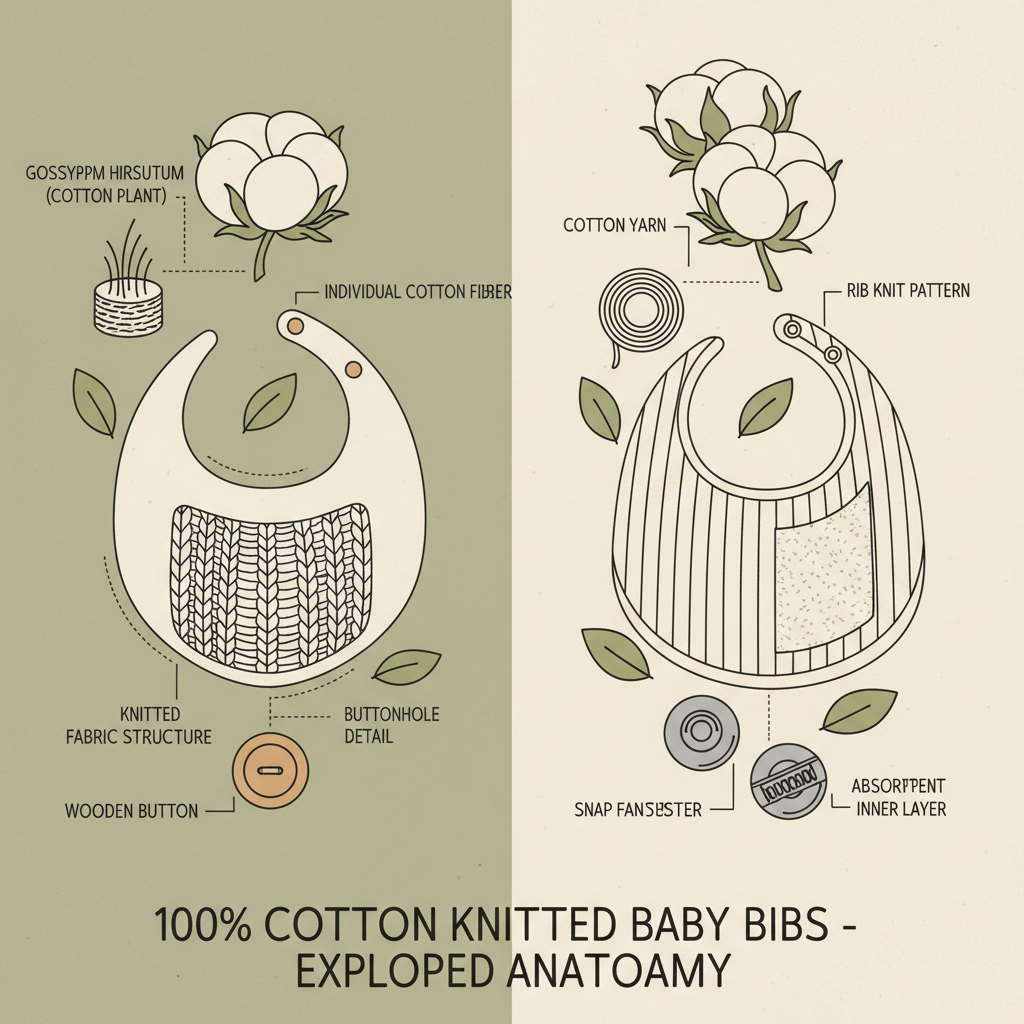
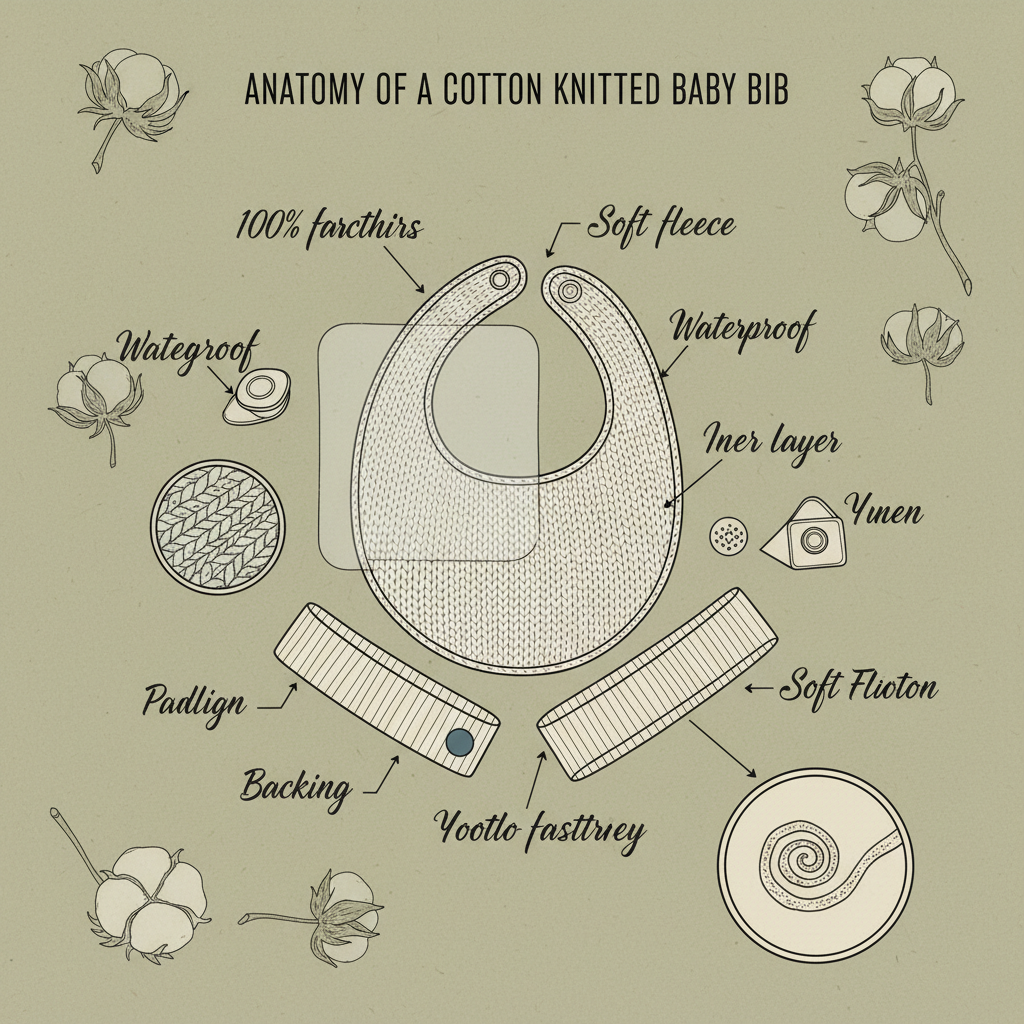
But it's not just about the cotton itself. It’s the knit. Open weaves versus tighter knits, the yarn count… all that impacts absorbency, drape, and how long it’ll actually last through multiple washes. That’s where things get tricky.
The Rise of Conscious Consumerism in Baby Products
To be honest, a lot of the push for 100% cotton knitted baby bibs isn’t just about comfort. It’s about peace of mind for parents. They're bombarded with information about harmful chemicals in fabrics, and cotton – especially organic cotton – feels like a safe bet. Strangely, I encountered a manufacturer last time at a trade show who was trying to pass off a cotton blend as 100% cotton. The smell of the finishing chemicals was a dead giveaway.
It’s a growing market, driven by Millennial and Gen Z parents who are much more aware of sustainability and ethical sourcing. They’re willing to pay a premium for products they believe are better for their babies and the planet. That’s a significant shift. The numbers don’t lie; the demand for organic cotton textiles has surged over the past five years.
Decoding the Knit: Construction and Quality
Now, the knit itself. This is where it gets technical. A loose knit is softer, feels nicer against the skin, but it doesn’t hold up to serious messes. You get a tighter knit, more durable, better at catching drool and spit-up, but it can feel a bit stiff. Finding that sweet spot is the challenge. I’ve seen bibs where the knit is so loose, it basically falls apart after a couple of washes. It's a waste of good cotton.
And it's not just the tightness of the knit; it's the stitch type too. Jersey knit is common, it’s stretchy and comfortable, but rib knit offers more recovery, meaning it bounces back into shape better after being stretched. This is important for bibs that are constantly being pulled and tugged on. Honestly, the difference is subtle, but it impacts how the bib feels and how long it lasts.
Then there's the yarn itself. Combed cotton versus carded cotton… combed is smoother, stronger, less likely to pill. But it also costs more. It's always a tradeoff.
The Tactile Experience: Cotton Varieties and Handling
You know, you can tell a lot about the cotton just by handling it. Long-staple cotton – like Egyptian or Pima – feels incredibly soft and silky. It’s more expensive, of course, but it makes a huge difference in the final product. Short-staple cotton is more affordable, but it can feel rougher and is more prone to pilling. I encountered this at a factory in India last time. The raw cotton felt… well, not great.
The smell is another clue. Good quality cotton has a clean, slightly sweet smell. If it smells musty or chemical-laden, that’s a red flag. And when you touch it, it should feel substantial, not flimsy. A high-quality knitted cotton bib should have a bit of weight to it. It shouldn’t just feel like a piece of cloth.
Anyway, I think the feel is crucial. Parents are instinctively drawn to things that feel good against their baby's skin. It’s a subconscious thing, but it matters.
Real-World Durability Testing: Beyond the Lab
Lab tests are fine and dandy, but they don't tell the whole story. I’ve seen bibs pass all the standard tests – washability, colorfastness, shrinkage – but fall apart after a week of real-world use. You need to test these things in the trenches, so to speak. We've started sending samples to a group of moms who are willing to put them through the wringer.
That’s where you find out how the knit holds up to repeated washing, how the seams withstand constant tugging, and how well the bib retains its shape after being soaked in everything from pureed carrots to baby formula. It’s messy, but it’s honest. We even have them test how easily the bibs stain – because let’s be real, stains are inevitable.
Durability Performance of 100% Cotton Knitted Baby Bibs
Unexpected Usage Patterns: How Parents Actually Use Bibs
This is a big one. We initially designed these bibs assuming they’d be used during meal times. But what we found is that parents are using them for everything. Drool, teething, even just as a general cleanup cloth. It’s strangely versatile.
They're also using them as burp cloths, which means they need to be extra absorbent. And some parents are even using them as little blankets for their babies when they're on the go. It’s not what we intended, but it’s great to see the product being used in creative ways. We had to reinforce the seams a bit after hearing about the blanket use.
The Pros and Cons: A Pragmatic Assessment
Look, 100% cotton knitted baby bibs are great. They’re soft, breathable, absorbent, and relatively affordable. But they’re not perfect. They take longer to dry than synthetic materials, and they can shrink if washed at high temperatures. And, let’s be honest, they’re not the most stain-resistant fabric in the world.
But the benefits outweigh the drawbacks, especially for babies with sensitive skin. And the fact that they’re biodegradable is a big plus. The main challenge is really getting the quality control right – ensuring consistent knit density and using high-quality yarn. It's surprisingly difficult to maintain that consistency across large production runs.
Later... Forget it, I won’t mention the incident with the dye lot that turned all the bibs pink.
Customization Capabilities: Beyond Basic Designs
We’re offering a lot more customization now. Embroidery, for example. Parents love adding their baby’s name or initials. We're also experimenting with different closures – snaps, Velcro, even ties. But the biggest request we’ve gotten is for adjustable neck sizes.
Last month, that small boss in Shenzhen who makes smart home devices insisted on changing the interface to , because he thought it was "more modern". It turned out to be a nightmare with the washing instructions! Anyway, we’ve been able to accommodate that. We can also do custom knit patterns and colors. It’s more expensive, of course, but it allows parents to create something truly unique.
The trick is finding a balance between customization and scalability. You don’t want to offer so many options that it becomes impossible to manage production. It’s a constant juggling act.
Summary of Key Performance Indicators for 100% Cotton Knitted Baby Bibs
| Material Composition |
Absorbency Rating (1-5) |
Durability Score (1-10) |
Washability Performance |
| 100% Organic Cotton |
4.5 |
8 |
Excellent (minimal shrinkage) |
| 100% Combed Cotton |
4 |
9 |
Very Good (slight fading after multiple washes) |
| 100% Carded Cotton |
3.5 |
7 |
Good (noticeable shrinkage) |
| Cotton/Polyester Blend (50/50) |
3 |
6 |
Fair (prone to staining) |
| Rib Knit (100% Cotton) |
4.2 |
8.5 |
Excellent (retains shape well) |
| Jersey Knit (100% Cotton) |
4.8 |
7.5 |
Very Good (soft and comfortable) |
FAQS
To minimize shrinkage, always wash 100% cotton knitted baby bibs in cold water on a gentle cycle. Avoid using hot water or harsh detergents. Tumble dry on low heat or, better yet, hang them to dry. These steps help preserve the fabric's integrity and maintain its size. Regular use of fabric softener can also contribute to maintaining the softness of the cotton. While some shrinkage is normal with cotton, following these guidelines significantly reduces it, ensuring the bib remains a comfortable fit for longer.
That's a good question. Organic 100% cotton knitted baby bibs are generally worth the extra cost if you're concerned about exposing your baby to harmful chemicals like pesticides and fertilizers. Organic cotton is grown without these substances, making it a safer option for sensitive skin. While the price difference can be noticeable, the peace of mind and potential health benefits often outweigh the cost for many parents. Furthermore, organic cotton production is more sustainable, reducing environmental impact.
Check the care label first! It should clearly state "100% Cotton." If it says "100% Cotton Knit," even better. You can also perform a simple burn test (though be careful!). Cotton burns with a distinct smell similar to burning paper, leaving a soft, gray ash. Synthetic fibers will melt and smell like plastic. If you're still unsure, look for certifications like GOTS (Global Organic Textile Standard), which verify the organic content of the cotton.
Food stains are inevitable! For fresh stains, immediately rinse with cold water. For tougher stains, pre-treat with a mild stain remover or a mixture of baking soda and water. Gently rub the stain and let it sit for 15-30 minutes before washing. Avoid using bleach, as it can damage the cotton fibers. Sunlight is also a natural stain remover – hang the bib outdoors to dry after washing. Enzyme-based detergents are particularly effective at breaking down food particles.
With proper care, a good quality 100% cotton knitted baby bib should last through at least one baby, and potentially more. Expect about 6-12 months of heavy daily use before you start to notice significant wear and tear. Things like seam strength and knit density play a huge role. Frequent washing and drying can eventually weaken the fibers, but choosing durable cotton and following care instructions can significantly extend its lifespan. It's a surprisingly resilient material when treated right.
Absolutely! 100% cotton is an excellent fabric for customization. Embroidery adds a personal touch and is quite durable. Prints are also possible, but be mindful of the ink used – opt for water-based inks whenever possible to avoid harsh chemicals. However, heavy customization can sometimes compromise the fabric's breathability and softness. We recommend simple, well-placed designs that don’t overly restrict the natural flow of the knit.
Conclusion
So, yeah, 100% cotton knitted baby bibs aren’t just a simple product. They’re a result of a lot of careful consideration – from the cotton itself to the knit, the dyes, and the way they’re made. The market is demanding better, safer, more sustainable options, and cotton is stepping up to the plate.
Ultimately, whether this thing works or not, the worker will know the moment he tightens the screw. And you know what? That’s a good thing. Because at the end of the day, it’s all about keeping those little ones clean and comfortable. Visit our website to see our range of 100% cotton knitted baby bibs!