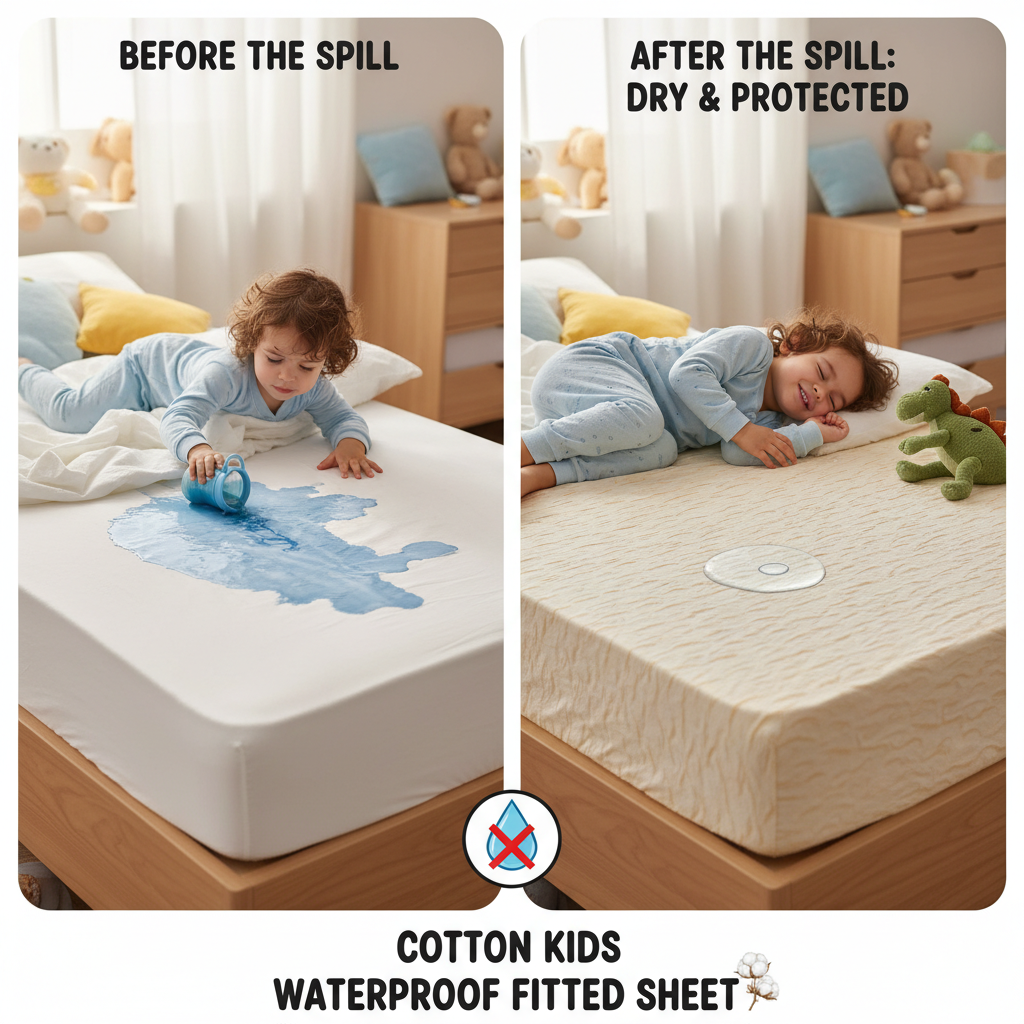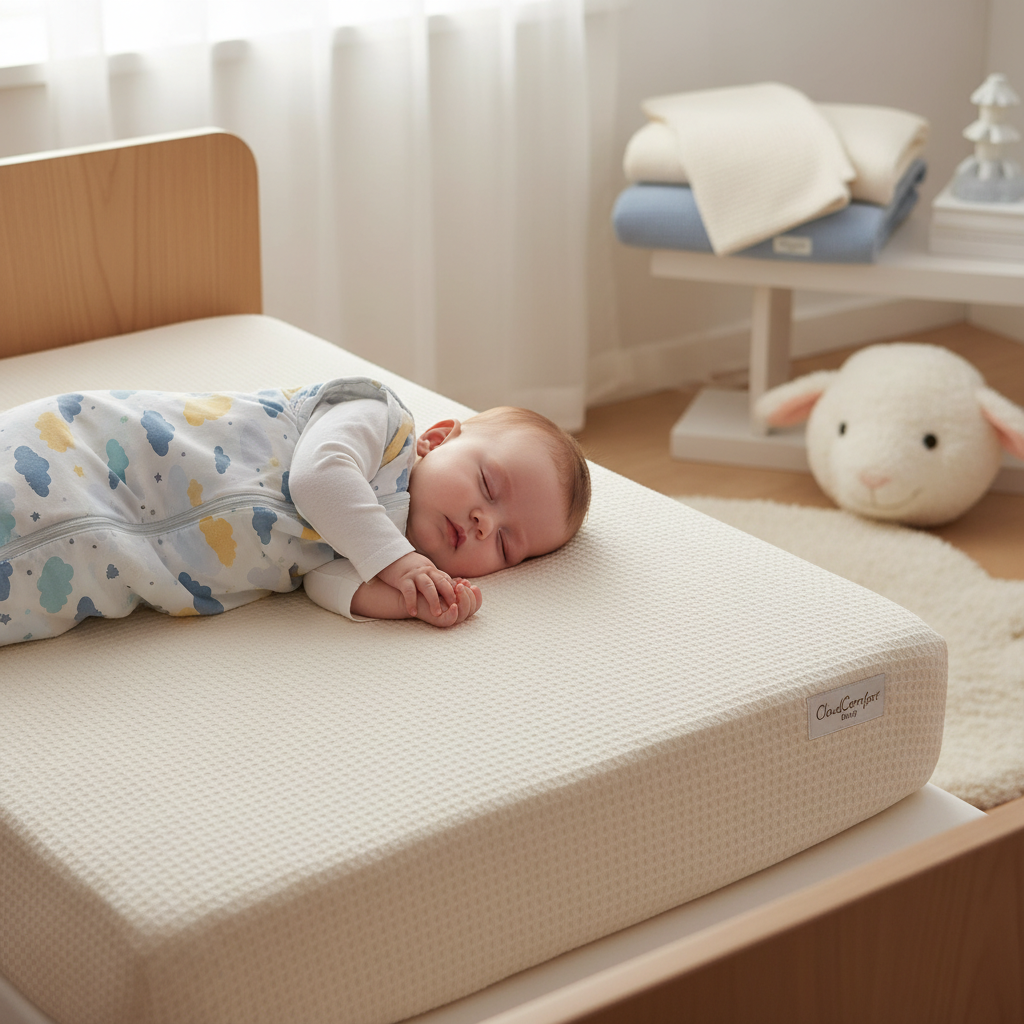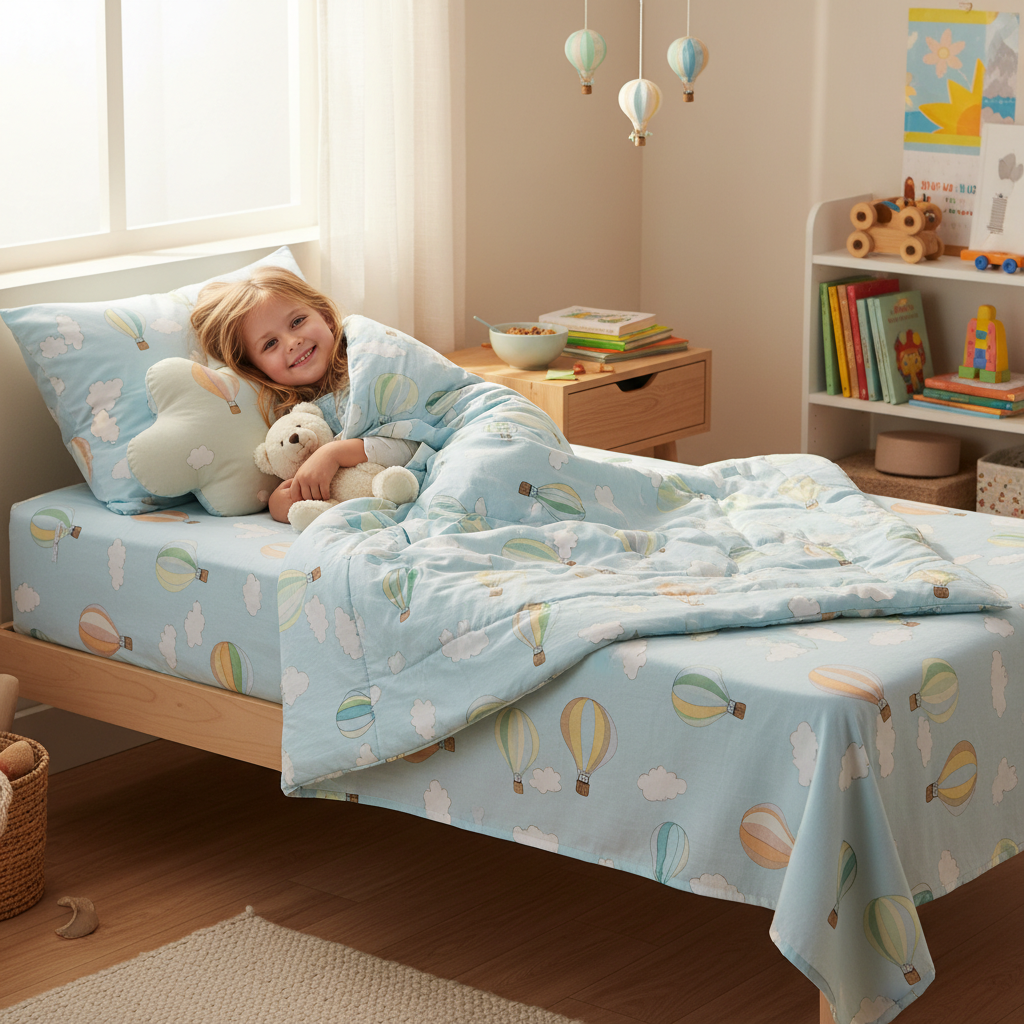
Developing a high-quality crib bedding set customized for specific brand identities or safety standards requires a deep understanding of both textile engineering and infant care. In the specialized field of home textile manufacturing, customized baby bedding is not merely about aesthetics but focuses on the critical intersection of hypoallergenic materials and precise dimensional fitting to ensure infant safety.
Procurement managers and brand owners often face challenges in balancing softness with durability and regulatory compliance. Whether the goal is to create a premium gift set or a standardized hospital-grade infant bedding solution, the primary objective is to minimize skin irritation while maximizing breathability and moisture absorption.
This analysis provides a professional framework for evaluating customized crib bedding, covering material specifications, customization parameters, supply chain considerations, and a decision matrix for selecting the right manufacturing approach for baby textiles.

Core Material Requirements for Infant Bedding

The selection of fabric is the most critical decision in creating a crib bedding set customized for infants. Medical recommendations consistently favor 100% cotton due to its natural hypoallergenic properties and superior aeration. For newborns with delicate skin, cotton interlock fabrics are particularly effective as they provide a smooth surface that minimizes friction and rubbing.
Beyond basic cotton, manufacturers must consider the Fabric Weight (GSM). For example, a 175gsm cotton interlock offers a balance between structural integrity and softness, ensuring the bedding does not become too heavy or overheat the infant. Proper moisture absorption is essential to prevent skin rashes and maintain a stable body temperature during sleep.
Customization Parameters for Crib Sets
Customization in baby textiles extends far beyond color and pattern. A comprehensive crib bedding set customized for a specific market must address precise sizing and functional design elements. Sizing typically spans multiple stages, from Newborn (NB) to 18 months (NB/0-3M/3-6M/6-12M/12-18M), requiring the manufacturer to maintain strict tolerances to ensure a safe fit within the crib.
Functional customizations include the choice of neck shapes (such as Round Neck for ease of dressing) and the integration of buttons for accessibility. Additionally, printing methods—ranging from plain solids to complex printed patterns—must use non-toxic, baby-safe dyes that do not fade or leach chemicals after repeated high-temperature laundering.
Manufacturing Process and Quality Control
The production of customized baby bedding requires a rigorous quality assurance (QA) workflow. This begins with sample development, where prototypes are created based on a client's specific size chart or original sample. The sampling phase typically lasts 7-14 days, allowing for adjustments in fabric tension, seam strength, and print registration before mass production begins.
During mass production, a dedicated QC team monitors the process from fabric inspection to final packing. Proper packaging is a final but crucial step in customization; options range from plastic hangers with PP bags and individual hangtags to customized seaworthy cartons, ensuring that the product reaches the destination without contamination or damage.
Evaluating Textile Performance Metrics
When assessing different customized bedding options, buyers should use a normalized scoring system to evaluate textile performance across key dimensions. This illustrative framework helps in determining if a fabric meets the specific needs of the target end-user, whether for retail luxury or clinical use.
The data above represents a conceptual comparison of typical fabric choices. 100% Cotton Interlock generally scores highest in skin-friendliness and breathability, making it the benchmark for infant safety, whereas synthetic blends might offer higher durability but lower aeration scores.
Supply Chain and Lead Time Management
Managing the lead time for a crib bedding set customized order requires coordination between raw material sourcing and production capacity. Generally, the lead time is approximately 2.5 months after the deposit is paid and all specifications are confirmed. This window includes fabric weaving, dyeing, cutting, sewing, and final QC inspection.
Logistical efficiency is enhanced by selecting manufacturers located near major shipping hubs. For example, utilizing the port of Tianjin, China, allows for streamlined sea transport to over 30 countries. Efficient supply chain management ensures that punctual delivery is achieved even for complex OEM orders with multiple SKU variations.
Common Procurement Risks and Mitigations
One of the most significant risks in customizing infant bedding is the discrepancy between the approved sample and the mass-produced batch. This is often caused by variations in fabric dye lots or inconsistent sewing tolerances. To mitigate this, buyers should insist on a "Pre-Production Sample" (PPS) and a "Top of Production" (TOP) sample for final approval.
Another risk involves cost fluctuations based on customization complexity. The unit price is heavily influenced by the printing method, embroidery requirements, and the total GSM weight of the fabric. To optimize costs, buyers should consolidate orders for similar fabric weights and patterns to leverage economies of scale in the weaving and dyeing process.
Customization Strategy Comparison Matrix
Depending on the business objective, different customization strategies may be applied. The following table compares standard OEM production against fully bespoke customized solutions to help procurement officers decide on the most efficient path.
| Strategy | Flexibility | Lead Time | Cost Impact |
|---|---|---|---|
| Stock Customization | Low (Color/Print only) | Short (2-4 weeks) | Minimal |
| Standard OEM | Medium (Size/Fabric) | Medium (2 months) | Moderate |
| Full Bespoke | High (Total Design) | Long (3+ months) | Significant |
| Hospital-Grade | Focused (FR/Anti-bac) | Medium (2.5 months) | Moderate |
| Premium Gift Set | High (Packaging/Embroidery) | Medium (2 months) | High |
| Basic Utility | Low (Bulk Specifications) | Short (1.5 months) | Low |
For most brand owners, a Standard OEM approach offers the best balance between product uniqueness and cost-efficiency, allowing for customized fabric weights and sizes while maintaining a manageable production timeline.
Frequently Asked Questions
100% cotton interlock is highly recommended. It is soft, hypoallergenic, and allows for better aeration, which is essential for a newborn's delicate skin and temperature regulation.
Sampling generally takes between 7 to 14 days, although stock product samples can be provided within 2-5 working days.
The price depends on the specific style, accessories used, printing or embroidery methods, fabric type, GSM weight, and the total order volume.
Yes, packing methods can be fully customized according to the buyer's request, including custom hangtags, PP bags, and specific carton configurations.
Standard size ranges typically include NB, 0-3M, 3-6M, 6-12M, and 12-18M to cover the critical first year and a half of growth.
The general lead time is approximately 2.5 months after the deposit is received and all technical specifications are confirmed.
Conclusion
Achieving a high-standard crib bedding set customized for the modern market requires a disciplined approach to material selection, rigorous quality control, and a transparent supply chain. By prioritizing 100% cotton fabrics and precisely defined sizing, manufacturers can ensure that the final product meets both the safety needs of the infant and the branding requirements of the buyer.
For procurement professionals seeking reliable textile solutions, reviewing available specifications and coordinating early in the sampling phase is key to success. More detailed information on baby textiles and customized bedding options can be found at www.sthometextile.com.